Table of Contents
Human resource management has evolved far beyond filing cabinets and spreadsheets. Modern organizations rely on intelligent platforms to manage recruitment, compensation, compliance, and employee performance in one streamlined ecosystem. As competition for talent intensifies and regulations grow more complex, businesses need efficient systems that reduce administrative burden while improving accuracy and employee experience.
TL;DR: Companies can significantly improve efficiency by adopting specialized HR tools for hiring, payroll, and employee tracking. Applicant Tracking Systems simplify recruitment, payroll software automates salary and tax management, and workforce management platforms centralize time tracking and performance monitoring. Together, these tools reduce errors, save time, and ensure compliance while improving the employee experience. Investing in integrated HR technology ultimately enables HR teams to focus on strategic growth instead of administrative tasks.
Below are three essential HR management tools that streamline hiring, payroll, and employee tracking—along with a comparison chart to help decision-makers evaluate their options.
1. Applicant Tracking Systems (ATS) for Streamlined Hiring
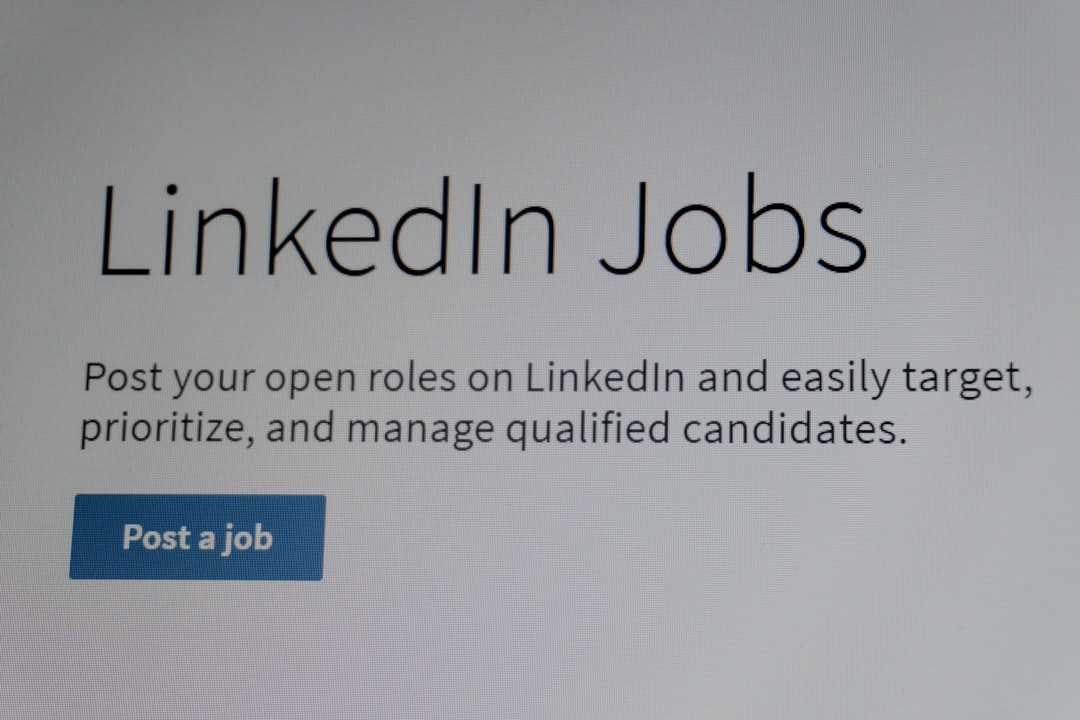
An Applicant Tracking System (ATS) is a recruitment software designed to automate and organize the hiring process. From posting job listings to onboarding new hires, ATS platforms eliminate many of the manual tasks that slow recruitment teams down.
Key Features of an ATS
- Job Posting Automation: Publish listings to multiple job boards with one click.
- Resume Parsing: Automatically extract candidate information for easier screening.
- Candidate Tracking: Monitor applicants through every stage of the hiring pipeline.
- Interview Scheduling: Coordinate calendars and send automated reminders.
- Collaboration Tools: Allow hiring managers to leave feedback and ratings.
Benefits of Using an ATS
Organizations that implement an ATS typically experience:
- Reduced time-to-hire through automation and centralized candidate data.
- Improved candidate experience with timely communication and status updates.
- Better hiring decisions through data-driven insights and reporting.
- Compliance support with standardized documentation and applicant tracking records.
By automating repetitive tasks, HR teams can invest more time in engaging top talent and refining recruitment strategies.
2. Payroll Management Software for Accuracy and Compliance
Payroll processing is one of the most sensitive HR responsibilities. Errors in salary calculations or tax filings can lead to dissatisfaction, penalties, and reputational damage. Payroll management software automates calculations and ensures employees are paid correctly and on time.
Image not found in postmeta
Core Functions of Payroll Software
- Automated Salary Calculations: Compute wages, overtime, and bonuses instantly.
- Tax Filing and Compliance: Generate tax forms and submit them electronically.
- Direct Deposit Integration: Transfer wages securely to employee accounts.
- Benefits Administration: Deduct insurance, retirement contributions, and other benefits.
- Reporting and Analytics: Provide detailed payroll summaries for budgeting.
Advantages of Payroll Automation
Payroll software delivers several important benefits:
- Error reduction through automated calculations.
- Regulatory compliance with built-in updates to tax laws.
- Time savings compared to manual spreadsheet processing.
- Enhanced data security with encrypted financial records.
Additionally, modern payroll systems often integrate with accounting software and HR platforms, creating a seamless financial workflow across departments.
3. Workforce Management Systems for Employee Tracking
Tracking employee attendance, performance, and productivity is vital for organizational efficiency. Workforce management systems consolidate time tracking, scheduling, and performance evaluations into a single digital environment.
Image not found in postmeta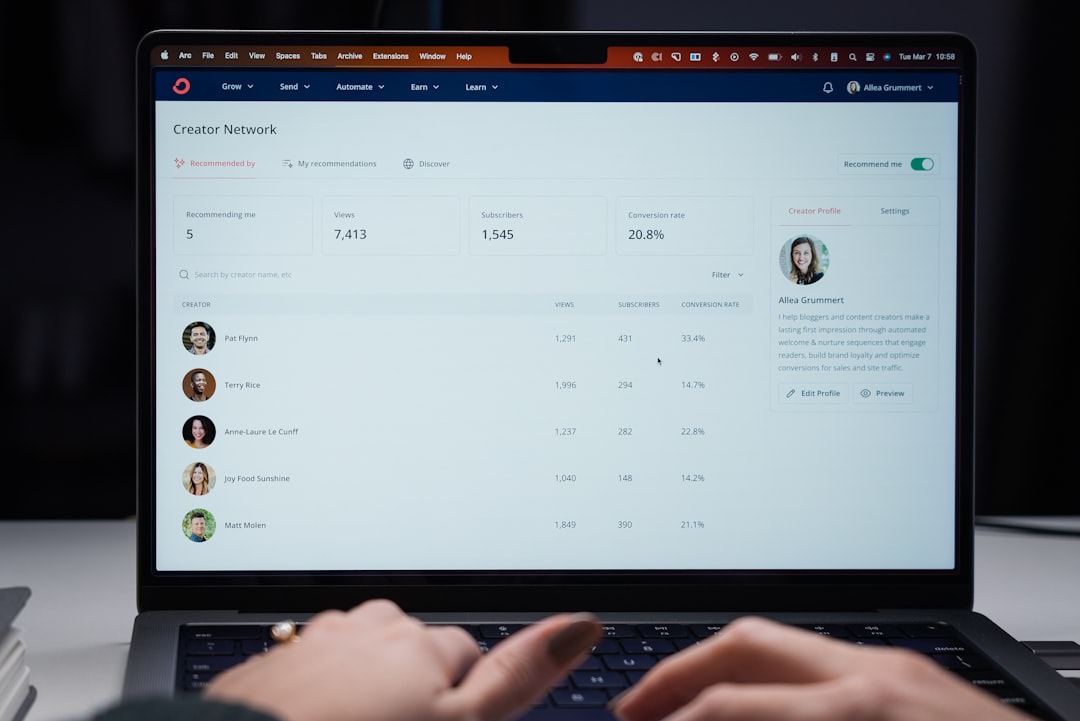
Main Capabilities of Workforce Management Tools
- Time and Attendance Tracking: Monitor work hours through biometric systems or apps.
- Shift Scheduling: Assign shifts and manage changes easily.
- Performance Monitoring: Track KPIs, goals, and reviews.
- Leave Management: Process vacation and sick leave requests digitally.
- Analytics and Reporting: Generate workforce insights for strategic planning.
Why Workforce Management Matters
Without proper tracking, organizations risk overstaffing, understaffing, or compliance violations related to labor laws. Workforce management systems help companies:
- Optimize staffing levels through real-time visibility.
- Improve accountability with transparent time tracking.
- Boost employee engagement via goal alignment and feedback.
- Enhance productivity based on measurable performance metrics.
These platforms are especially valuable for remote or hybrid teams where oversight requires digital solutions.
Comparison Chart: Key HR Tools at a Glance
| Feature | Applicant Tracking System | Payroll Software | Workforce Management System |
|---|---|---|---|
| Primary Purpose | Recruitment and hiring | Salary and tax processing | Employee time and performance tracking |
| Main Users | Recruiters and hiring managers | HR and finance teams | HR managers and team leaders |
| Automation Level | Resume screening and interview scheduling | Wage calculations and tax filing | Time tracking and shift management |
| Compliance Support | EEO documentation and applicant records | Tax law updates and reporting | Labor law and overtime monitoring |
| Integration Capability | Connects with HRIS and job boards | Links to accounting and HR systems | Syncs with payroll and HR platforms |
How Integration Maximizes Efficiency
While each tool offers significant value individually, their combined implementation delivers even greater impact. Many organizations choose integrated Human Resource Information Systems (HRIS) that connect recruiting, payroll, and workforce tracking into one platform.
Integrated systems provide:
- Centralized Data Management: One source of truth for employee information.
- Seamless Onboarding: Candidate data flows directly into payroll and attendance systems.
- Improved Reporting: Unified dashboards for executive decision-making.
- Cost Efficiency: Reduced need for separate software subscriptions.
By eliminating data silos, companies gain better visibility into workforce trends and financial performance.
Choosing the Right HR Tools
Selecting the appropriate HR tools depends on several factors:
- Company size and structure
- Industry regulations
- Budget constraints
- Integration requirements
- Scalability needs
Small businesses may prefer all-in-one solutions, while larger enterprises often require customizable platforms with advanced analytics and global compliance support. Conducting thorough needs assessments and requesting product demos can help HR leaders make informed decisions.
Final Thoughts
Effective HR management is fundamental to organizational success. Applicant Tracking Systems streamline recruitment, payroll software ensures accurate compensation, and workforce management systems optimize employee oversight. Together, these tools transform HR departments from administrative centers into strategic contributors to business growth.
By investing in modern HR technology, companies reduce operational bottlenecks, enhance compliance, and create a more engaging employee experience. As workplace dynamics continue to evolve, businesses that leverage integrated HR solutions position themselves for sustained success.
Frequently Asked Questions (FAQ)
1. What is the main benefit of using an Applicant Tracking System?
An ATS reduces time-to-hire by automating job postings, resume screening, and interview scheduling, while improving organization and candidate communication.
2. Is payroll software necessary for small businesses?
Yes. Even small businesses benefit from payroll automation because it minimizes calculation errors, ensures tax compliance, and saves administrative time.
3. Can these HR tools integrate with each other?
Most modern HR platforms offer integrations or exist within unified HRIS systems, allowing seamless data transfer between hiring, payroll, and tracking modules.
4. How do workforce management systems help remote teams?
They provide digital time tracking, performance metrics, and scheduling tools that maintain accountability and transparency across distributed workforces.
5. What should companies consider before investing in HR software?
Organizations should evaluate scalability, ease of use, compliance features, integration capabilities, and overall return on investment before making a decision.