
Table of Contents
Automation has become a cornerstone of modern software development, especially for makers and developers building lean products, internal tools, and scalable systems. While n8n is a powerful open-source workflow automation platform, it is not the only option available. A growing ecosystem of automation tools offers different strengths—ranging from low-code visual builders to developer-first APIs and enterprise-grade orchestration systems. Choosing the right tool depends on architecture preferences, technical depth, hosting requirements, and project scale.
TLDR: Developers looking for alternatives to n8n can explore platforms like Make (formerly Integromat), Zapier, Pipedream, Activepieces, and Node-RED. Each offers distinct advantages in usability, extensibility, pricing, and hosting flexibility. Some prioritize visual simplicity, while others focus on code-level customization and real-time event handling. The best choice depends on whether the priority is scale, control, cost efficiency, or speed of deployment.
Why Look Beyond n8n?
n8n stands out for its open-source flexibility, self-hosting capability, and strong node-based visual workflow builder. However, some developers may require:
- More native integrations
- Fully managed infrastructure
- Real-time event streaming support
- Simplified user interfaces for non-technical collaborators
- Enterprise compliance features
Below are five powerful automation platforms that makers and developers commonly choose as alternatives.
1. Make (Formerly Integromat)
Best for: Advanced visual workflow automation with granular control.
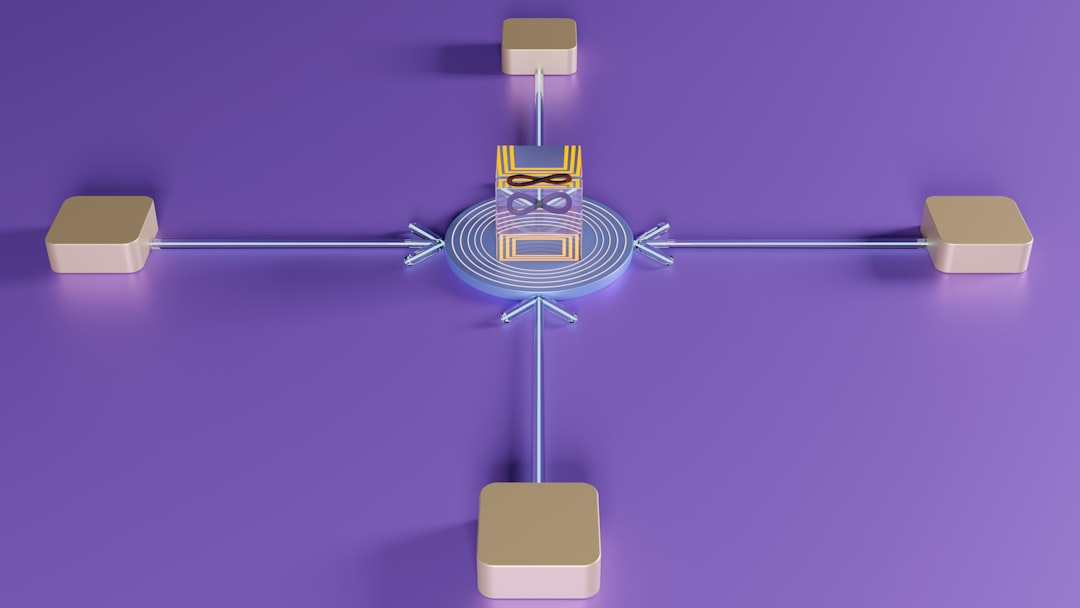
Make is one of the most visually advanced automation platforms on the market. It provides an intuitive drag-and-drop interface that enables users to build detailed automation scenarios using routers, filters, and error handlers.
Key Features:
- Highly visual scenario builder
- Advanced branching and conditional logic
- Detailed execution logs
- Large integration library
- Cloud-hosted infrastructure
Unlike many no-code automation tools, Make allows deeper configuration of each module, including custom HTTP calls and parsing tools. Developers appreciate its balance between usability and complexity.
Pros:
- Powerful visual debugging tools
- Competitive pricing tiers
- Strong API connections
Cons:
- No native self-hosting option
- Can become complex for large workflows
2. Zapier
Best for: Fast setup and maximum app compatibility.
Zapier is arguably the most widely adopted automation platform. It prioritizes ease of use and sheer volume of integrations over granular control. For makers launching MVPs or internal automations quickly, Zapier offers unmatched speed.
Key Features:
- 6,000+ app integrations
- Simple trigger-action workflows
- Multi-step Zaps
- Team collaboration features
Zapier is not open source and does not offer native self-hosting, which makes it less appealing for developers requiring backend control. However, its reliability and app ecosystem often outweigh these limitations for fast-moving teams.
Pros:
- Extremely beginner-friendly
- Strong ecosystem support
- Reliable infrastructure
Cons:
- Higher cost at scale
- Limited low-level customization
3. Pipedream
Best for: Developer-first, event-driven automation with code-level control.
Image not found in postmeta
Pipedream is designed explicitly for developers who want both workflow automation and real coding flexibility. It supports Node.js, Python, Go, and Bash directly in workflows.
Unlike purely visual tools, Pipedream allows users to write and deploy serverless code steps. This makes it particularly attractive for API-heavy projects and real-time event handling.
Key Features:
- Native code execution in workflows
- Event-driven architecture
- Built-in API management
- Serverless infrastructure
Pipedream eliminates the need to manage backend infrastructure while offering developer-grade control.
Pros:
- Excellent for API workflows
- Strong developer tooling
- Fast webhook triggers
Cons:
- Less beginner-friendly
- Cloud-hosted only
4. Activepieces
Best for: Open-source enthusiasts seeking Zapier-like simplicity.
Activepieces is an emerging open-source automation platform that replicates much of Zapier’s usability while retaining self-hosting flexibility. It is increasingly popular among developers who want full data ownership without sacrificing convenience.
Key Features:
- Open-source core
- Modern UI design
- Self-hosted or cloud deployment
- Growing integration marketplace
Activepieces offers a simpler experience than n8n in some areas while maintaining community-driven extensibility.
Pros:
- Open-source transparency
- User-friendly design
- Active development roadmap
Cons:
- Smaller integration library than Zapier
- Still maturing compared to older competitors
5. Node-RED
Best for: IoT, edge computing, and custom automation frameworks.
Node-RED is a flow-based development tool originally created by IBM. It enables wiring together hardware devices, APIs, and online services using a browser-based flow editor.
Image not found in postmeta
Although not marketed as a direct n8n competitor, Node-RED provides extremely flexible automation capabilities, especially in IoT and event-driven systems.
Key Features:
- Strong IoT integration
- Open-source community support
- Self-hosted deployment
- Custom node creation
Its learning curve can be steeper for non-technical users, but developers building deeply customized systems appreciate its adaptability.
Pros:
- Highly customizable
- Excellent for device automation
- Large open-source ecosystem
Cons:
- Less SaaS-focused
- UI feels less modern compared to newer tools
Comparison Chart
| Platform | Open Source | Self-Hosting | Best For | Skill Level | Cloud Option |
|---|---|---|---|---|---|
| Make | No | No | Advanced visual workflows | Intermediate | Yes |
| Zapier | No | No | Quick MVP automation | Beginner | Yes |
| Pipedream | No | No | Developer-first automation | Advanced | Yes |
| Activepieces | Yes | Yes | Open-source Zapier alternative | Beginner–Intermediate | Yes |
| Node-RED | Yes | Yes | IoT and custom systems | Advanced | Optional |
How Developers Should Choose
Selection depends on technical context and priorities:
- Need maximum integrations fast? Zapier.
- Want visual depth and routing logic? Make.
- Require code-level extensibility? Pipedream.
- Prefer open-source control? Activepieces or Node-RED.
- Building IoT workflows? Node-RED.
Cost scalability, data ownership, compliance requirements, and workflow complexity should all factor into the decision.
FAQ
1. Is n8n better than Zapier?
n8n offers more flexibility and self-hosting options, making it appealing for developers. Zapier excels in ease of use and integration breadth. The better choice depends on technical requirements and budget.
2. Are there fully open-source alternatives to n8n?
Yes. Activepieces and Node-RED are strong open-source alternatives that allow self-hosting and community-driven customization.
3. Which platform is best for real-time API workflows?
Pipedream is particularly strong for real-time, event-driven workflows with native coding capabilities and webhook support.
4. Which automation tool is most beginner-friendly?
Zapier is generally considered the easiest for beginners due to its simple trigger-action model and clean interface.
5. Can these platforms replace backend servers?
In some cases, yes. Tools like Pipedream and Node-RED can handle event processing and logic that would otherwise require lightweight backend services.
6. Do these platforms scale for enterprise use?
Most offer enterprise plans or scalable infrastructure. However, enterprise readiness varies—Zapier and Make offer mature enterprise support, while open-source tools may require additional configuration and DevOps resources.
Ultimately, the automation ecosystem now offers more choice than ever before. Makers and developers no longer need to rely on a single workflow engine. By evaluating flexibility, hosting models, customization depth, and integration ecosystems, teams can select a platform that aligns precisely with their technical philosophy and growth trajectory.