
Table of Contents
Subscription-based business models continue to dominate industries ranging from SaaS and media streaming to ecommerce and online education. However, managing recurring payments manually is time-consuming, error-prone, and one of the biggest contributors to customer churn. Automated subscription tools solve this challenge by streamlining billing, improving payment recovery, and delivering a seamless customer experience that keeps revenue predictable and growing.
TLDR: Subscription and recurring payment tools automate invoicing, payment collection, and dunning processes, helping businesses reduce involuntary churn and improve cash flow. Platforms like Stripe Billing, Chargebee, Recurly, Zuora, and Paddle provide advanced subscription management features. These tools handle everything from failed payment recovery to analytics and compliance. Choosing the right platform depends on business size, complexity, and growth goals.
Below are five powerful subscription and recurring payment tools that simplify billing operations, improve retention rates, and allow businesses to focus on growth instead of administrative work.
1. Stripe Billing
Stripe Billing is one of the most widely used subscription management platforms in the world. Built on top of Stripe’s powerful payment infrastructure, it supports recurring billing, usage-based pricing, tiered subscriptions, and complex pricing models.

Key Features:
- Automated recurring invoices with custom billing cycles
- Smart dunning tools to retry failed payments automatically
- Support for multiple currencies and global tax compliance
- Built-in revenue recognition and reporting
- API-driven customization for developers
One of Stripe Billing’s most powerful capabilities is its Smart Retries feature. Using AI-driven payment retry logic, Stripe reduces involuntary churn by automatically reattempting failed transactions at optimal times. This can recover a significant portion of otherwise lost revenue.
Stripe is ideal for technology-driven businesses that need flexibility and scalability.
2. Chargebee
Chargebee is a subscription management solution tailored specifically for SaaS, ecommerce, and digital-first businesses. It focuses heavily on automation and revenue optimization.
Key Features:
- End-to-end subscription lifecycle management
- Automated invoicing and payment reminders
- Advanced churn analytics and reporting
- Multiple payment gateway integrations
- Tax management and compliance support
Chargebee stands out for its churn reduction toolkit. Businesses can configure smart dunning workflows, personalized customer communications, and account updater integrations to automatically refresh expired credit cards.
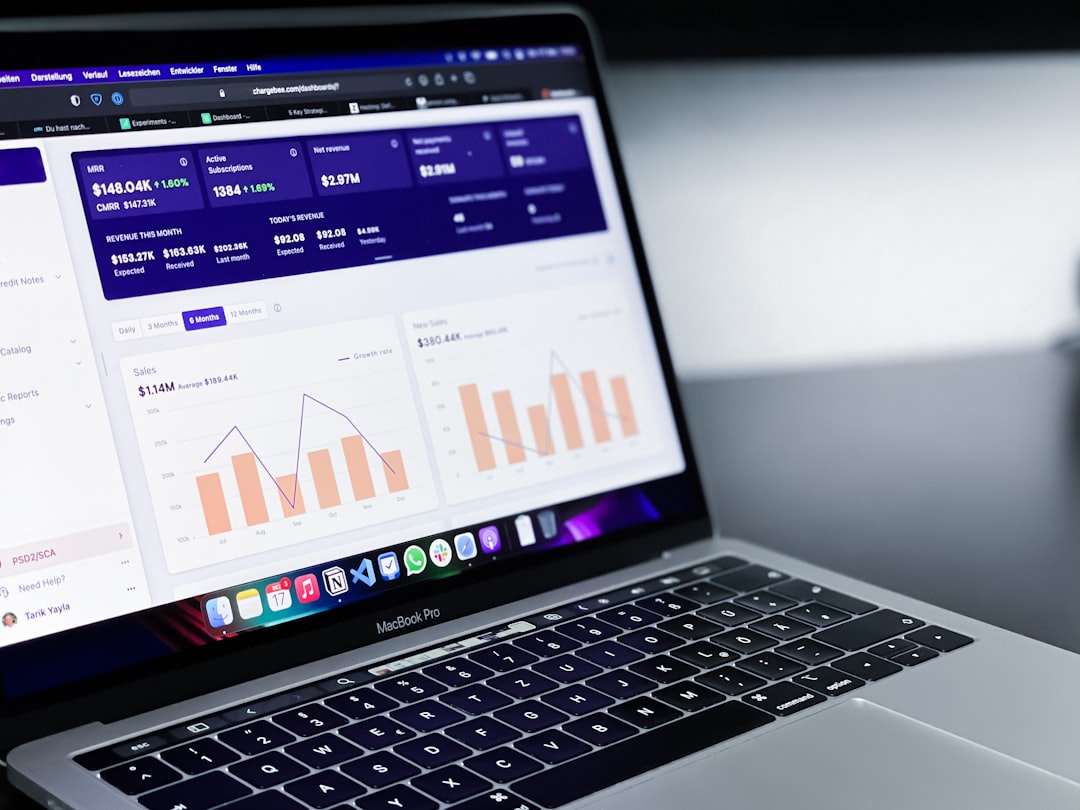
Additionally, its analytics dashboard provides insights into:
- Monthly Recurring Revenue (MRR)
- Customer Lifetime Value (CLTV)
- Voluntary vs. involuntary churn
- Cohort retention data
This makes Chargebee particularly valuable for growth-focused SaaS companies scaling quickly.
3. Recurly
Recurly is known for its enterprise-ready subscription billing capabilities and strong churn management features. It powers subscription brands in media, streaming services, and membership platforms.
Image not found in postmeta
Key Features:
- Automated recurring billing with flexible pricing models
- Intelligent dunning management
- Built-in fraud prevention tools
- Seamless plan upgrades, downgrades, and add-ons
- Comprehensive subscription analytics
Recurly’s standout benefit is its Revenue Optimization Engine, which focuses specifically on reducing churn and maximizing payment recovery. Its machine learning algorithms analyze payment behavior to determine optimal retry strategies.
Another major advantage is its easy customer self-service portal. Allowing customers to update payment details, change plans, or pause subscriptions reduces frustration and improves overall retention.
4. Zuora
Zuora is a leading enterprise subscription management platform designed for large-scale subscription ecosystems. It is particularly strong in complex billing environments such as telecom, manufacturing, and global SaaS providers.
Key Features:
- Advanced subscription lifecycle management
- Usage-based and consumption billing models
- Automated invoicing and payment collection
- Global taxation and compliance management
- Enterprise-grade analytics and forecasting
Zuora excels in managing sophisticated pricing structures, including hybrid subscription models. Companies that need to bundle subscriptions, physical products, and usage-based services benefit from its flexibility.
Because of its robust customization capabilities, Zuora is better suited for larger organizations with dedicated technical resources.
5. Paddle
Paddle is an all-in-one payment infrastructure designed for software companies and digital product sellers. What sets Paddle apart is that it acts as a Merchant of Record, managing tax compliance and regulatory complexities on behalf of businesses.
Image not found in postmeta
Key Features:
- Fully managed subscription billing
- Automatic tax calculation and remittance
- Built-in dunning and payment recovery
- Localized checkout experiences
- Global payment method support
Paddle significantly reduces operational overhead by handling global tax compliance, fraud prevention, and chargeback management. For startups and SaaS companies selling internationally, this can eliminate a major administrative burden.
By combining payment processing and subscription logic into a single system, Paddle simplifies the tech stack and reduces integration challenges.
Comparison Chart
| Tool | Best For | Churn Reduction Features | Complex Pricing Support | Global Compliance |
|---|---|---|---|---|
| Stripe Billing | Tech-driven startups & SaaS | Smart Retries, automated dunning | High | Strong |
| Chargebee | Scaling SaaS businesses | Dunning workflows, card updater | High | Strong |
| Recurly | Media & subscription brands | AI retry logic, self-service portal | High | Good |
| Zuora | Large enterprises | Advanced lifecycle automation | Very High | Excellent |
| Paddle | SaaS & digital products | Built-in dunning, tax handling | Moderate | Excellent |
How Subscription Tools Reduce Churn
Customer churn can be categorized into two types:
- Voluntary churn — customers intentionally cancel
- Involuntary churn — payments fail due to expired cards or insufficient funds
Recurring billing tools primarily target involuntary churn through automation and optimization. They do this by:
- Automatically retrying failed payments
- Sending reminder emails before card expiration
- Offering seamless plan adjustments
- Enabling in-app payment updates
- Providing data-driven churn insights
Additionally, subscription platforms improve customer experience by delivering transparent billing, flexible pricing options, and frictionless checkout processes. When customers trust the billing system, they are far less likely to cancel.
Choosing the Right Subscription Billing Tool
When selecting a subscription and recurring payment platform, businesses should consider:
- Scalability: Can it support long-term growth?
- Integration capabilities: Does it connect with existing CRM and ERP systems?
- Pricing structure: Is it affordable at scale?
- Compliance support: Does it handle taxes and regional regulations?
- Churn management features: How robust is the dunning system?
No single tool fits every organization. Startups often prioritize simplicity and automation, while enterprises require deep customization and global billing capabilities.
FAQ
1. What is a subscription billing tool?
A subscription billing tool is software that automates recurring payments, invoicing, and customer subscription management. It eliminates manual billing tasks and ensures timely payments.
2. How do recurring payment tools reduce churn?
They reduce churn by automatically retrying failed payments, sending reminders, updating expired cards, and offering customers easy account management options.
3. Which tool is best for startups?
Stripe Billing and Paddle are often strong choices for startups due to ease of integration, scalability, and automated compliance management.
4. What is involuntary churn?
Involuntary churn occurs when a customer’s subscription ends due to failed payments rather than an intentional cancellation.
5. Are subscription management platforms secure?
Yes, most leading platforms are PCI-DSS compliant and include fraud detection, encryption, and secure tokenization to protect payment data.
6. Can these tools handle global payments?
Most major platforms support multiple currencies and international payment methods, enabling businesses to scale globally.
By implementing the right subscription and recurring payment tool, businesses can automate billing, stabilize revenue streams, and dramatically reduce churn—turning subscription management from a challenge into a competitive advantage.