
Table of Contents
In today’s competitive property market, relationships are the true currency of success. Buyers and sellers expect timely responses, personalized communication, and seamless transactions. For real estate professionals juggling dozens of leads, listings, and follow-ups, spreadsheets and basic contact apps are rarely enough. A dedicated Customer Relationship Management (CRM) platform helps streamline communication, automate repetitive tasks, and ensure that no opportunity slips through the cracks.
TL;DR: Real estate CRM tools help agents centralize client data, automate follow-ups, track deals, and nurture long-term relationships. The right platform improves response times, pipeline visibility, and overall efficiency. This article reviews six trusted CRM solutions designed specifically for real estate professionals. Each tool offers unique strengths, from automation and marketing integration to transaction management and team collaboration.
A real estate CRM is more than a glorified address book. It is a structured system that consolidates contact information, tracks communication history, manages listings, automates marketing campaigns, and provides analytics for smarter decision-making. Below are six reliable CRM tools that can significantly elevate how agents and brokerages manage client relationships.
1. Salesforce for Real Estate
Salesforce is widely recognized as a leading CRM platform across industries, and its customizable architecture makes it suitable for real estate operations of all sizes. While it may require configuration to adapt fully to property sales workflows, its scalability is one of its greatest strengths.
Key features include:
- Comprehensive contact and lead management
- Workflow automation and task assignment
- Advanced reporting and analytics
- Email integration and marketing automation
- Mobile app accessibility
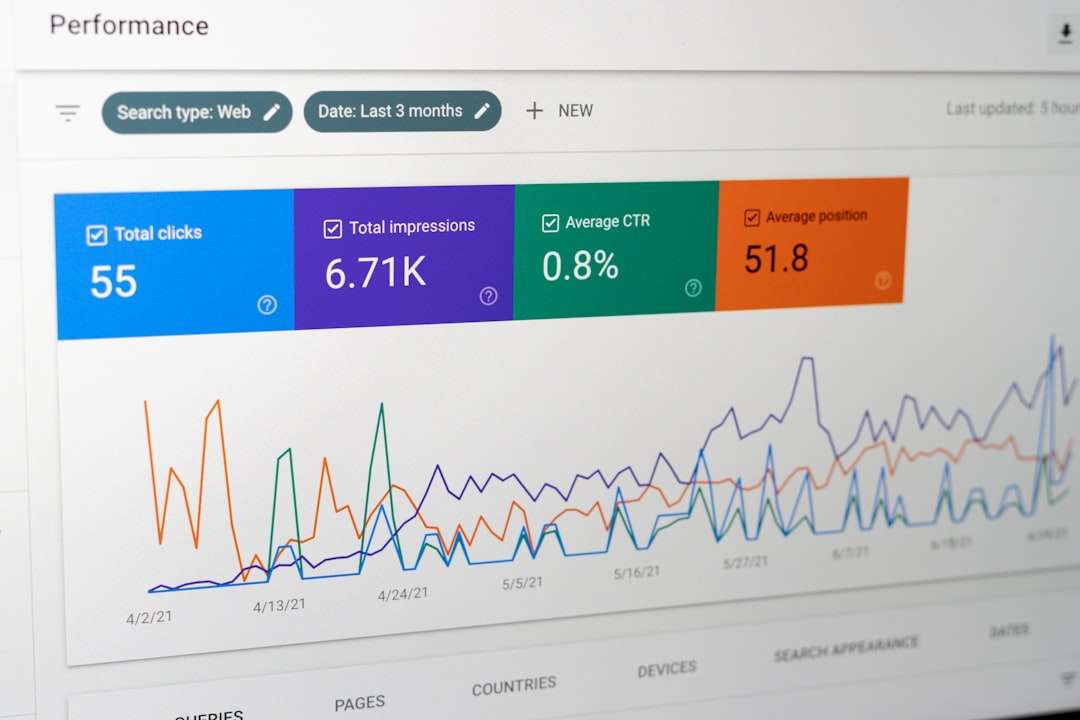
For brokerages seeking enterprise-level reporting and AI-driven insights, Salesforce provides exceptional analytical capabilities. Its dashboards allow managers to monitor agent performance, sales forecasts, and pipeline status in real time.
However, smaller teams may find the implementation process more complex compared to plug-and-play real estate CRMs. Organizations with dedicated IT support will benefit most from Salesforce’s robust ecosystem.
2. HubSpot CRM
HubSpot CRM is known for its user-friendly interface and strong inbound marketing features. While it is not exclusively tailored to real estate, it offers flexible customization that makes it suitable for agents and small brokerages.
Why real estate professionals choose HubSpot:
- Free core CRM functionality
- Email tracking and notification alerts
- Automated follow-up sequences
- Contact segmentation
- Integrated marketing tools
HubSpot excels in lead nurturing. Agents can segment prospects by buying stage, property preference, or location and trigger automated email campaigns to stay top-of-mind. The platform’s visual sales pipeline also provides clarity on which deals require attention.
For growing teams, paid upgrades unlock expanded automation and advanced reporting, making HubSpot a strong, scalable entry point into organized client relationship management.
3. Follow Up Boss
Follow Up Boss is designed specifically for real estate professionals, focusing on lead response speed and conversion. In a market where timing is critical, this platform’s automation capabilities help agents respond to inquiries within minutes.
Standout capabilities include:
- Automatic lead distribution for teams
- Text messaging integration
- Email and call tracking
- Lead source tracking
- Smart lists for segmentation
Its intuitive interface allows agents to track every inquiry—whether from property portals, websites, or social media campaigns—in one centralized dashboard. Automated reminders and drip campaigns ensure consistent engagement.
Image not found in postmetaFollow Up Boss is particularly effective for high-volume teams and brokerages that rely heavily on online lead generation. By reducing manual follow-up tasks, it allows agents to focus more on closing deals rather than chasing responses.
4. LionDesk
LionDesk positions itself as an affordable yet comprehensive real estate CRM. It combines marketing automation with communication tools, including video messaging and texting, which are increasingly important in client engagement.
Core features:
- Text and video messaging
- Automated drip campaigns
- AI-powered follow-up assistant
- Transaction management tools
- Lead import from multiple sources
Video messaging sets LionDesk apart. Personalized video updates for listings, walkthrough previews, or follow-up messages can create a stronger emotional connection with prospective buyers and sellers.
For solo agents and small teams seeking value, LionDesk offers a practical balance between automation and affordability. The system reduces repetitive administrative tasks while maintaining personalized communication.
5. BoomTown
BoomTown is a comprehensive real estate growth platform that combines CRM functionality with lead generation and marketing tools. It is particularly suited for medium to large teams focused on scaling operations.
Notable advantages:
- Integrated IDX websites
- Automated lead nurturing campaigns
- Predictive analytics
- Pipeline and performance tracking
- Team collaboration features
BoomTown’s predictive insights help prioritize leads based on behavior, increasing conversion efficiency. Agents can see which prospects are actively browsing listings and tailor their outreach accordingly.

Although it may represent a higher investment compared to simpler CRMs, BoomTown delivers an integrated ecosystem that aligns marketing, lead capture, and sales processes in one platform. For ambitious teams aiming for measurable growth, this integration can be a strategic advantage.
6. Real Geeks
Real Geeks provides a user-friendly CRM combined with marketing and lead capture tools. Its system is especially popular among agents who want straightforward functionality without excessive complexity.
Main features include:
- Lead generation websites
- Automated email and text campaigns
- Behavior-based lead tracking
- Simple pipeline management
- Facebook marketing integration
Real Geeks excels at visibility. Agents can instantly see when a prospect views a property multiple times, allowing for timely and relevant outreach. This behavioral tracking strengthens the personalization of follow-ups.
The platform’s clean interface makes onboarding easier for less tech-savvy users, while still offering enough automation to significantly improve efficiency.
How to Choose the Right Real Estate CRM
Selecting a CRM should be a deliberate decision aligned with long-term business goals. Consider the following factors before making an investment:
- Team size: Solo agents may prefer streamlined systems, while larger teams may need advanced distribution and reporting features.
- Lead volume: High-volume operations require automation and rapid response tools.
- Marketing strategy: If inbound marketing is central to your approach, prioritize CRM platforms with integrated campaigns.
- Budget: Determine whether you need essential functions or enterprise-level analytics.
- Ease of use: Complex systems are only valuable if your team consistently uses them.
It is also wise to request demos and trial periods. Usability, interface design, and workflow compatibility often determine long-term success with a CRM.
The Long-Term Value of CRM Adoption
A properly implemented CRM does more than organize contacts—it strengthens trust and consistency. Clients appreciate agents who respond promptly, remember preferences, and provide proactive updates. Behind the scenes, CRM automation ensures these expectations are met reliably.
Over time, structured data collection allows for more accurate forecasting. Brokerages can analyze conversion rates, measure campaign performance, and identify weaknesses in the sales funnel. This data-driven approach transforms guessing into strategic planning.
Additionally, CRM systems facilitate referral management. Maintaining relationships after a transaction closes is critical for repeat business. Automated anniversary messages, market updates, and holiday greetings help maintain visibility without requiring manual effort.
Conclusion
Efficient client relationship management is no longer optional in real estate—it is foundational. Whether you are an independent agent or managing a large brokerage, the right CRM platform can significantly reduce administrative burdens while enhancing client communication.
Salesforce and HubSpot offer flexible, scalable systems suitable for various industries, including real estate. Follow Up Boss, LionDesk, BoomTown, and Real Geeks deliver specialized solutions designed with property professionals in mind. Each platform supports better lead tracking, improved follow-up consistency, and measurable growth.
Ultimately, the most effective CRM is the one that aligns with your workflow, encourages consistent use, and supports long-term relationship building. When properly leveraged, these tools become more than software—they become strategic assets that power sustainable success in an increasingly competitive real estate market.