
Table of Contents
In recent years, the rise of the Internet of Things (IoT) has inspired engineers, hobbyists, and professionals to build compact and energy-efficient solutions to connect devices seamlessly. One such innovation that’s gaining attention in the maker community is the Antennino — a low power, Arduino-compatible board tailored specifically for IoT applications.
TL;DR
The Antennino is a low power microcontroller board inspired by Arduino, designed especially for wireless and battery-powered IoT devices. It’s compact, highly efficient, and works well for remote sensor applications. With built-in support for wireless communication modules and advanced power management, it’s a top choice for long-lasting embedded IoT projects. Whether you’re tracking weather conditions or building a smart garden, Antennino can be the perfect platform for innovation.
What is Antennino?
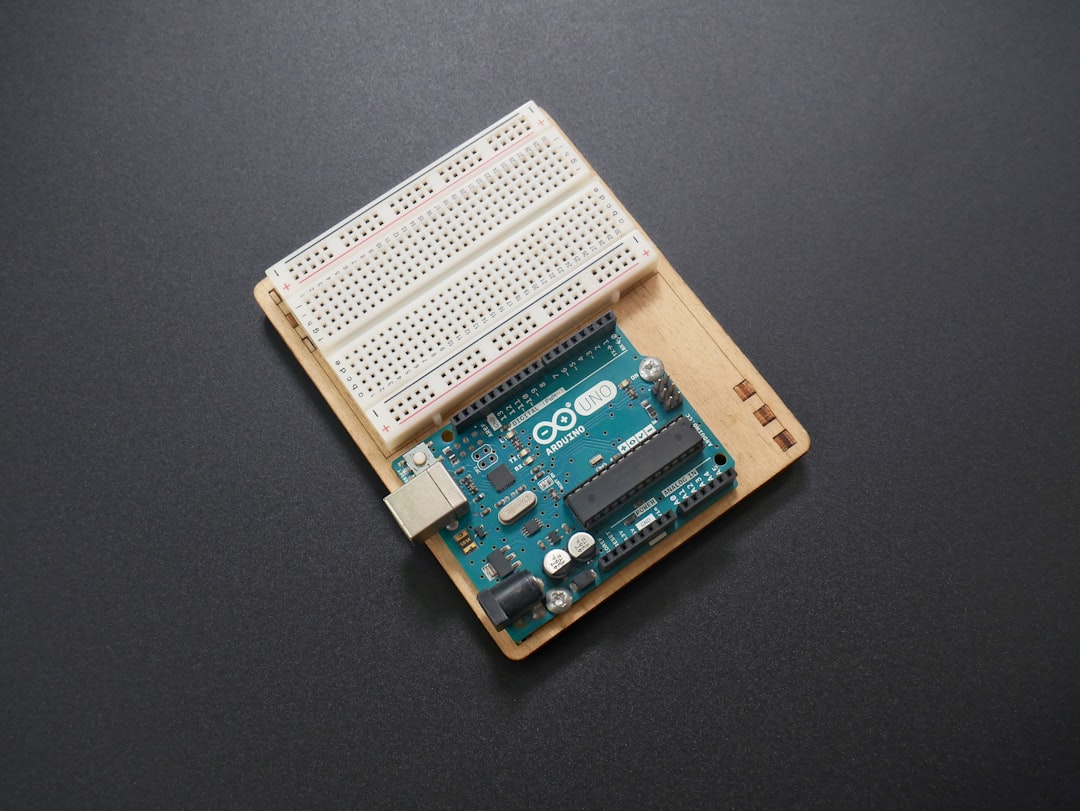
The Antennino is a lightweight, low-energy open hardware board that follows the Arduino architecture while offering extended battery life and radio communication capabilities out-of-the-box. Unlike traditional Arduino boards that are often power-hungry and require external shields for IoT capabilities, Antennino is purpose-built for long-duration installations in remote or inaccessible places.
Manufactured with efficiency in mind, Antennino is centered around the ATmega328P microcontroller and uses the RFM69 radio module for wireless transmission. It thrives in scenarios where data needs to be captured, processed, and transmitted over significant distances — all while staying unplugged from the grid for months or even years.
Key Features of Antennino
Here are some core features that make Antennino a standout option for DIY and professional IoT applications:
- Ultra Low Power Consumption: Offers sleep modes and optimized firmware to consume as little as few microamps during inactivity.
- Long-Range RF Communication: Uses RFM69 radio transceivers for reliable wireless communication up to several hundred meters, depending on antenna and environment.
- Battery Friendly: Easily powered by small coin-cell batteries or standard AA/AAA cells, making it suitable for remote installations.
- Arduino Compatible: Programmed using the Arduino IDE, making it user-friendly for beginners as well as experienced developers.
- Compact Design: Small form factor ideal for embedding in enclosures or other equipment.
Power Efficiency That Sets It Apart
What truly sets Antennino apart from similar boards is its obsession with power management. Makers often struggle with the short battery life of regular Arduino boards, especially when running sensors that wake frequently or stay active for long durations. Antennino solves this problem using several smart architectural and firmware-level solutions such as:
- Optimized Sleep Modes: Uses the microcontroller’s deep sleep functionality to cut down power usage drastically when not in use.
- Hardware Wake-Up: Trigger wakeups on sensor input or timer-based events, cutting the constant polling loop unnecessary in other microcontroller solutions.
- Efficient Voltage Regulation: Designed to work on lower voltages with minimal loss, keeping heat and wasted energy to a minimum.
These features mean that a project built with Antennino can theoretically run for over a year on a single set of AA batteries, depending on the workload and communication frequency.
Wireless Communication with RFM69
For an IoT device, communication is critical. Antennino integrates the HopeRF RFM69 radio module, which provides reliable and secure communication over the ISM band (433/868/915 MHz depending on your location). With adjustable output power and software-controlled encryption, this module is excellent for:
- Remote Environmental Monitoring
- Smart Agriculture
- Home Automation Networks
- Industrial Sensor Applications
Unlike Wi-Fi modules that require high current and stable power supplies, RFM69 is highly efficient and allows the Antennino to remain disconnected from the internet router infrastructure, using a gateway or hub instead to interface devices.
Use Cases for Antennino
The versatility of the Antennino platform opens doors to a wide variety of practical applications. Below are just a few examples of where and how Antennino thrives:
1. Smart Gardening
By connecting moisture, light, and temperature sensors to Antennino, one can set up a fully automated, solar-powered garden monitoring system. The board periodically sends data to a local gateway that logs and analyzes plant health, all while using minuscule amounts of power.
2. Weather and Environmental Monitoring
Built for the outdoors, Antennino is perfect for long-term deployment in meteorological stations or pollution tracking setups. It handles dust, cold, or heat with ease, and reports its findings consistently.
3. Security and Intrusion Detection
Motion detectors connected to Antennino can form part of a low-cost, battery-powered home security system. With wireless messaging capabilities, alerts can be sent in near real-time to a central receiver or cloud-connected unit.
4. Asset and Livestock Tracking
Due to its low weight and long battery life, Antennino can be strapped to assets or even roaming animals for geo-fencing and status reporting in agricultural or logistical scenarios.
Programming and Community Support
Antennino is fully compatible with the Arduino IDE, so there’s no steep learning curve for those already accustomed to Arduino. Just install the appropriate boards file and RFM69 libraries into the IDE, and you’re good to go.
There’s a growing community around Antennino, with shared libraries, circuit examples, and downloadable sketches for common tasks. This means that even newcomers to wireless or low-power systems can quickly get started with minimal configuration time.
Building a Project with Antennino
Here’s a sample checklist to get you started with your first Antennino-based IoT device:
- Get your Antennino board preassembled or as a DIY kit.
- Grab compatible sensors (e.g., DHT22, soil moisture sensors, light sensors).
- Power the board using AA batteries or a coin cell.
- Install the required Arduino libraries including RadioHead or LowPower.
- Use the IDE to upload the code with sleep/wake cycles and radio transmissions.
- Set up a receiver node using another Antennino or any compatible Arduino board with RFM69 to collect and display data.
This modularity and simplicity are exactly why Antennino is becoming a favorite among makers and small-scale developers.
Why Choose Antennino Over Other Boards?
When comparing Antennino to alternatives like ESP8266, ESP32, or even regular Arduino Uno/Nano boards, the key advantages include:
- Power efficiency far superior to Wi-Fi-enabled boards.
- Simplicity and compatibility with the Arduino ecosystem.
- No constant internet connection required thanks to RF mesh capabilities.
- Highly modular and cost-effective for small-scale factory or smart home installations.
It’s not meant to be a full replacement for Wi-Fi-capable MCU boards when real-time internet access is needed, but for long-term sensing and local RF communication, Antennino is difficult to beat in terms of balance between functionality, longevity, and cost.
Conclusion
If you are planning to build an IoT object that needs to be compact, efficient, and last for months without service, then Antennino should be at the top of your list. It’s a prime tool for transforming small ideas into scalable DIY or professional solutions in smart sensing, automation, and remote telemetry.
Antennino isn’t just another Arduino-based board — it’s a thoughtfully crafted solution to the challenges of modern IoT design. Whether you’re a hobbyist looking to improve your indoor air quality monitor, or a startup prototyping a decentralized sensor network, this little board packs a punch far beyond its size and power footprint.