

Table of Contents
Searching for a new place to live is exciting, but it can also be overwhelming—especially when choosing the right neighborhood. Your neighborhood significantly impacts your daily life, quality of living, and future property value. Selecting a location that reflects your lifestyle means understanding your priorities and doing your research.
TL;DR
Finding the right neighborhood requires balancing your needs, preferences, and long-term goals. Consider factors like safety, proximity to work, access to amenities, community vibe, and real estate trends. Use both online tools and in-person visits to get a complete picture. Matching your lifestyle with your neighborhood can lead to a more fulfilling and convenient life.
1. Understand Your Priorities
Before you dive into listings or visit potential areas, take a step back and identify what truly matters to you. Ask yourself:
- Do I want a quiet, suburban atmosphere or a vibrant city vibe?
- Is walkability important, or will I be driving most places?
- How close do I want to be to work, school, or public transportation?
- Do I value nearby green spaces or cultural experiences more?
Once you’ve formed a clear picture of your ideal lifestyle, it becomes easier to evaluate whether a neighborhood aligns with it.
2. Research Crime Rates and Safety
No matter your lifestyle, safety is a top concern. Look for updated crime statistics on local government or police department websites. Apps like NeighborhoodScout, SpotCrime, or even Nextdoor can offer hyper-local insights from residents. Also, consider the general upkeep of the area—clean streets, well-maintained homes, and community engagement often reflect neighborhood safety.
3. Visit During Different Times of Day
Seeing a neighborhood only once—especially in the middle of the day—can give you a skewed impression. What’s calm at noon might turn noisy at night, and traffic patterns can vary significantly. Visit:
- Early morning: Check if there’s heavy commuter traffic or school noise.
- Late evening: Assess nightlife volume and general safety.
- Weekend afternoons: Get a sense of community events, street activity, or potential overcrowding.
These varied visits give you a full experiential picture of daily life in the area.
4. Consider Commute and Accessibility
Do not underestimate the long-term impact of your commute. An initially manageable drive can become frustrating or even unmanageable over time. Think about:
- The average rush-hour commute times.
- Access to major highways, subway lines, or bike routes.
- Availability of parking if you’re a car owner.
- Proximity to airports or long-distance transit if you travel frequently.
Use tools like Google Maps or Waze to simulate commute times during your typical travel period.
5. Scope Out Local Amenities
Availability of amenities—not just within driving distance but within daily convenience—can greatly affect your comfort and experience. Ask yourself, how long will it take to get to:
- Grocery stores or farmers’ markets
- Parks, gyms, or recreational facilities
- Restaurants, coffee shops, or nightlife
- Hospitals, pharmacies, and other essential services

Some people thrive in bustling areas with endless entertainment, while others prefer low-key surroundings. Match the neighborhood texture to your rhythm.
6. Explore the Vibe and Community Culture
The “feel” of a neighborhood is difficult to judge solely by data. Walk it. Sit at a café. Attend an open house or community event. Is it family-focused? Dog-friendly? Artistic? High-tech-oriented? Look for aspects like:
- Street art or murals
- Community bulletin boards
- People gathering in parks or town centers
- Diversity in age, culture, or background
Talking to a few locals can also provide unfiltered insight into what it’s really like to live there every day.
7. Check School Quality, Even If You Don’t Have Children
Good schools often indicate an invested community and can heavily impact home value. Use online tools like GreatSchools.org or Niche to examine rankings, test scores, and parent reviews. Homebuyers without kids should still consider this—if only for resale advantage.
8. Understand Local Real Estate Trends
Is the neighborhood up-and-coming, or is it showing declines in property value? Real estate trends can help you make better investment decisions and avoid future regret. Things to look for include:
- Recent price increases or declines
- Vacant homes versus new development
- Occupancy rate—are homes selling quickly?
- Rental vs. ownership ratios
Websites like Zillow, Redfin, and Realtor.com offer analytics on neighborhood pricing history and forecast trends.
9. Evaluate Noise Levels and Environmental Factors
No one wants to discover that their dream home is next to a train line or under a flight path. Check for:
- Nearby highways or public transport with noise pollution
- Industrial zones or factories within close range
- Construction projects or upcoming developments
- Natural hazards like flood zones or wildfire-prone areas
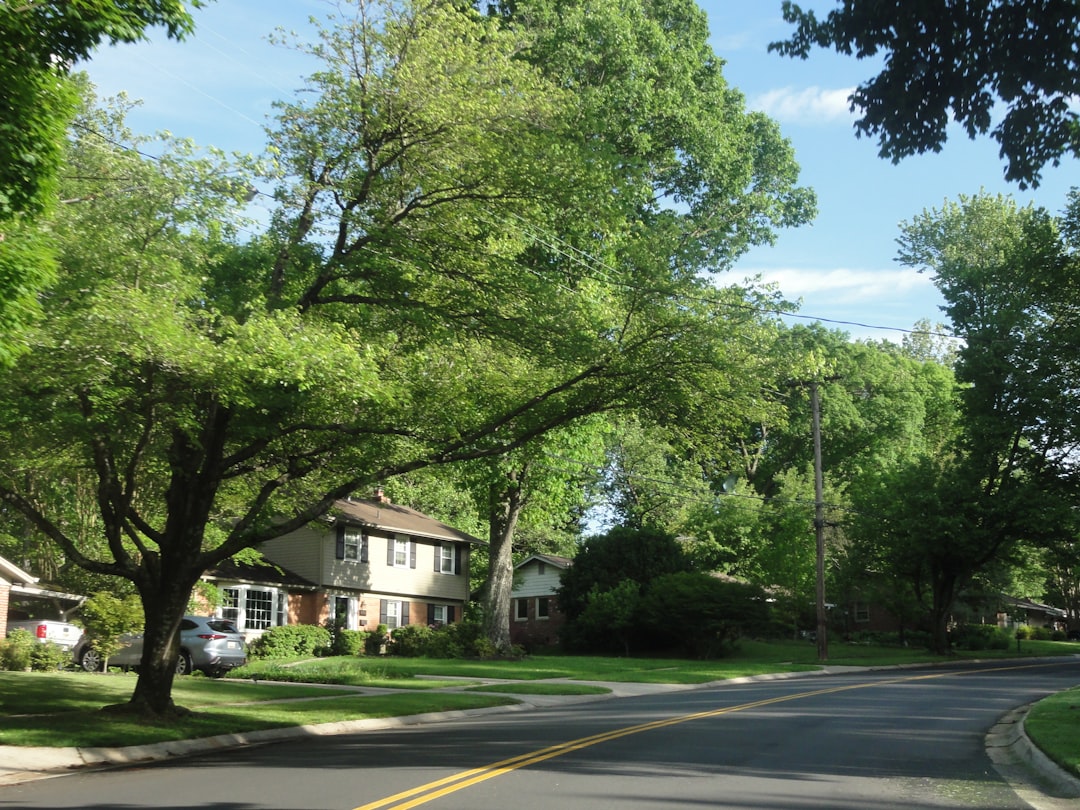
Review local zoning changes or city planning maps to stay ahead of major changes that could impact your quality of life in the future.
10. Trust Your Intuition
Sometimes all the statistics and reviews in the world can’t replace a simple feeling. When you walk through a neighborhood and truly feel “at home,” don’t ignore that. Emotional connection and comfort are just as important as analytics when choosing a living environment.
11. Work With a Local Real Estate Agent
Real estate agents aren’t just for finding houses—they’re invaluable for understanding neighborhoods. A seasoned, local agent can:
- Highlight pros and cons you might overlook
- Steer you away from problematic areas
- Provide historical context, like trending hotspots or declining areas
- Help negotiate better deals based on local market knowledge
Choose an agent who specializes in the specific region you’re exploring.
Conclusion
Finding the right neighborhood for your lifestyle is a blend of research, soul-searching, and practical evaluation. It’s about more than just aesthetics or price—it’s about choosing a place where your daily life will flourish. When you take the time to analyze all aspects—from commute and safety to culture and long-term value—it becomes much easier to make a confident, well-informed decision.
After all, a great home in the wrong neighborhood can soon become a regret, while the right neighborhood can elevate even a modest home into a joyful, long-term retreat.