

Table of Contents
In today’s competitive digital landscape, creating valuable blog content is only half the journey. The real test lies in measuring its performance effectively so that every word and strategy leads to growth, engagement, and measurable results. Without reliable analytics and a structured evaluation methodology, even the best content can vanish into the online void without achieving its full potential.
TLDR: To assess blog performance effectively, you need to combine traditional analytics tools with advanced metrics like Rub Rank and social engagement indicators. Rub Rank analytics helps evaluate content authority and organic visibility, while social metrics reveal user sentiment and reach. Together, they provide a 360-degree view of how well your blog is performing, beyond just pageviews. Monitoring and acting on these metrics can drastically improve content strategy and ROI.
Why Measuring Blog Performance Matters
Content marketing is a long-term investment, and regularly assessing your blog’s impact is essential to ensure strategic alignment. Proper measurement highlights what resonates with your audience and helps identify underperforming areas that need improvement. More importantly, it guides content creators and marketers in making data-driven decisions, optimizing for visibility, and achieving desired outcomes such as lead generation, brand awareness, or customer engagement.
Understanding Key Metrics of Blog Performance
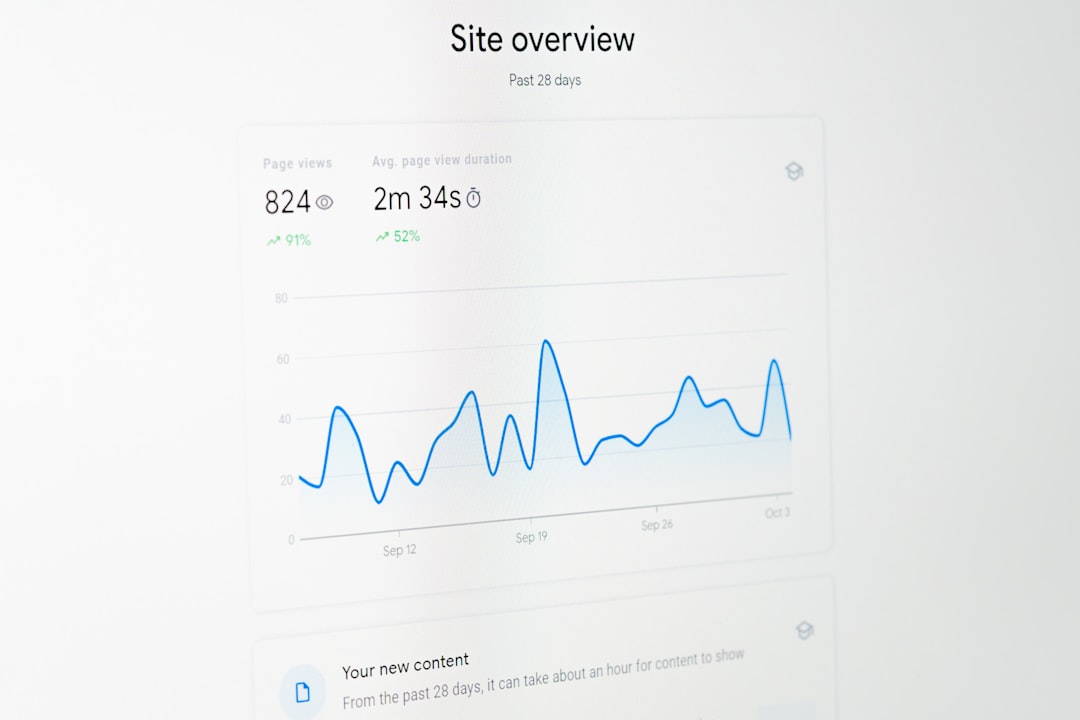
To start, measuring performance should go beyond Google Analytics. While metrics such as traffic volumes, bounce rate, and average time on page offer valuable information, they lack the nuance necessary for sophisticated content evaluation. This is where Rub Rank analytics and social media metrics become indispensable.
Main Metrics from Standard Analytics Platforms Include:
- Pageviews: Measures how many times a blog post has been viewed.
- Unique Visitors: Indicates how many distinct users are reading your content.
- Average Time on Page: Suggests engagement level through dwell time.
- Bounce Rate: The percentage of visitors who navigate away after viewing just one page.
- Conversion Rate: Tracks how many readers complete a desired action.
While these are essential, they paint only part of the picture. For a deeper, more meaningful analysis, advanced tools like Rub Rank analytics come into play.
What Is Rub Rank and Why It Matters
Rub Rank is an advanced content ranking metric that evaluates the authority, organic performance, and overall quality of written content. It considers rankings across search engines, keyword relevance, backlink value, and engagement signals. Unlike basic keyword tools, Rub Rank offers a holistic score that helps predict how well a blog post performs in organic search and contributes to domain authority.
Rub Rank analytics is particularly useful in competitive niches. For example, two blog posts with identical traffic could have vastly different Rub Rank scores based on the strength of backlinks, keyword positioning, and CTR in search. A high Rub Rank usually correlates with sustainability in traffic over time instead of mere viral spikes.
Core Components of Rub Rank:
- Keyword Influence: Assesses how well-targeted and competitive your keywords are within your niche.
- Backlink Profile: Evaluates the traction your blog has earned from reputable sources linking back.
- Search Visibility: Measures how prominent the blog post is on search engines for relevant queries.
- Content Depth: Gauges the comprehensiveness and quality of your content offering.
Tracking these components over time and comparing them across posts can give unparalleled clarity on what content the algorithm favors and what needs optimization.
Incorporating Social Metrics for a Complete Picture
While SEO is critical for discoverability, your blog’s social vitality offers immediate user sentiment and brand impact. Social metrics shed light on who is sharing your content, how often, and what discussions it’s sparking across networks. These insights are difficult to extract from traditional analytics tools, making them a critical component of comprehensive blog evaluation.
Important Social Metrics to Monitor Include:
- Share Count: The number of shares across platforms like Facebook, LinkedIn, Twitter, and Pinterest.
- Engagement Rate: Combines likes, comments, shares, and save counts into a single reflection of user interest.
- Referral Traffic: How much traffic is being sent to your blog from social channels.
- Sentiment Analysis: Understands how positively or negatively people feel about your content.
These metrics also help you assess what type of content aligns with reader emotions and what messaging formats (video, infographic, or long-form) create the most impact.
Using Rub Rank and Social Metrics Together
While Rub Rank analytics are an excellent indicator of long-term organic success, social metrics provide real-time performance visibility. Used together, they offer both strategic and tactical insights. For instance, if a blog post has a high Rub Rank score but poor social performance, it may mean it’s optimized for search but lacks emotional resonance. Conversely, high social responsiveness but low Rub Rank indicates content that touches people but lacks search engine optimization.
Segmenting Your Data Integration Might Include:
- Pre-launch Evaluation: Choosing keywords and formatting that drive both Rub Rank and potential social appeal.
- Real-time Monitoring: Using social listening tools to track shares, mentions, and sentiment during the first 24–72 hours of publication.
- Post-Publication Analysis: Evaluating how social metrics align with Rub Rank score updates for agile content optimization.
The outcome is a performance blueprint that allows publishers to recalibrate strategy, double down on high-ROI content, and sunset underperforming articles more wisely.

Establishing KPIs and Performance Benchmarks
Once your blog is running, it’s essential to standardize Key Performance Indicators (KPIs) based on your goals. Whether you prioritize traffic, authority, engagement, or conversions, your performance metrics—and their interpretation—should align with your objectives.
Below are examples of goal-based KPIs that can help put Rub Rank and social data into use:
- Brand Awareness: Social shares per article, Rub Rank growth month over month, mention frequency.
- Lead Generation: Conversion rate per blog post, average time on article pages, exit rate.
- SEO Dominance: Organic position changes, increase in Rub Rank scores, growth of keyword rankings.
- User Engagement: Repeat visits, comment count, inbound links from forums and community comments.
Setting and tracking these KPIs consistently will help refine your blog strategy and content creation process to focus on what truly works.
Tools That Help Track Rub Rank and Social Performance
To combine these metrics effectively, you’ll need an analytics stack that includes both SEO-focused platforms and social tracking tools. Recommended options include:
- SEMrush: Tracks keyword rankings, backlinks, and site health for Rub Rank KPI review.
- Ahrefs: A powerful tool for monitoring Rub Rank drivers like inbound links and URL-level metrics.
- BuzzSumo: Ideal for social share analysis and identifying viral content themes.
- Google Data Studio: Allows you to create custom dashboards by integrating both sets of metrics.
Conclusion: Measurement Is Strategy
Contemporary blogging demands a data-first approach, and measuring performance is not optional—it is foundational. Rub Rank analytics help you optimize content technically and structurally for sustained SEO success, while social metrics provide valuable feedback loops that inform tone, topic relevance, and emotional appeal.
By embracing a hybrid metrics model combining Rub Rank with social indicators, blog managers can finally enjoy end-to-end insight that drives strategy, boosts performance, and creates a deeper connection with readers. It’s more than just numbers—it’s about building content ecosystems that last.