
Table of Contents
Construction estimating used to be slow. Very slow. Plans arrived in thick rolls of paper. Estimators grabbed highlighters, rulers, and calculators. Mistakes happened. Pages went missing. Numbers changed. Stress levels rose. Today, things look very different. Onscreen takeoff and artificial intelligence are changing the way contractors estimate jobs. The process is faster. It is smarter. And yes, it can even be fun.
TLDR: Construction estimating is moving from paper plans and manual counting to digital tools powered by AI. Onscreen takeoff lets estimators measure and count directly on digital drawings. AI speeds up calculations, finds mistakes, and predicts costs. The result is faster bids, fewer errors, and better profits.
What Is Construction Estimating?
Before we talk tech, let’s keep it simple.
Estimating is figuring out how much a construction project will cost. That includes:
- Materials
- Labor
- Equipment
- Subcontractors
- Overhead
- Profit
If the estimate is too high, you may lose the job. If it is too low, you may lose money. So accuracy matters. A lot.
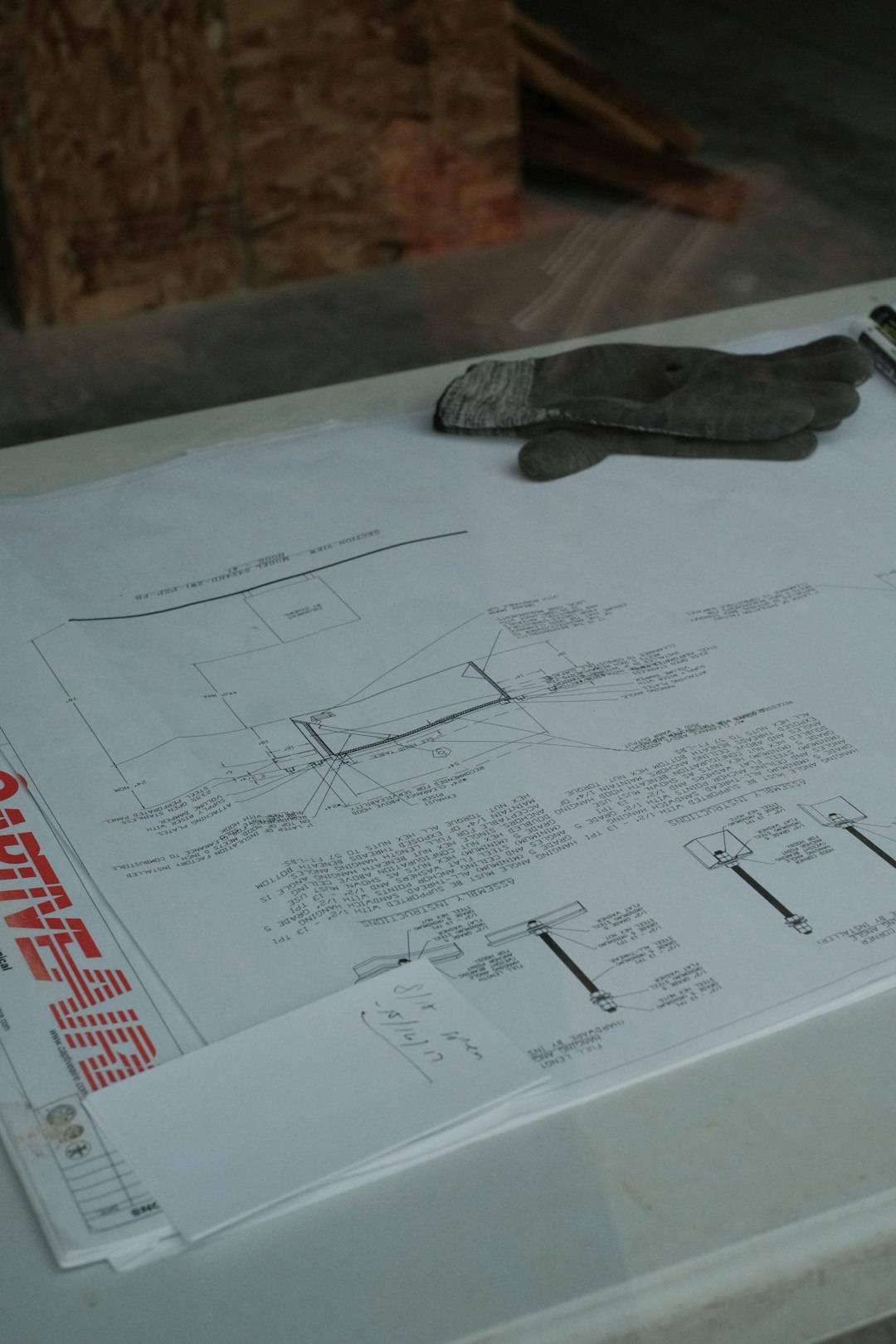
For years, estimators worked with printed blueprints. They measured lengths with scale rulers. They counted doors and windows by hand. They wrote numbers on paper sheets. Or entered them into spreadsheets.
It worked. But it took time. And time is money.
The Rise of Onscreen Takeoff
Then came digital plans.
Instead of paper drawings, contractors began receiving PDF files. This opened the door to something powerful: onscreen takeoff.
Onscreen takeoff software lets you measure directly on a computer screen. You click on a wall. The software measures it. You trace a floor. It calculates the square footage. You count symbols like doors or lights with simple clicks.
No rulers. No colored pens. No messy paper stacks.
Why Onscreen Takeoff Is a Game Changer
Here is why contractors love it:
- Speed: Measurements happen in seconds.
- Accuracy: The software reduces math errors.
- Organization: Everything stays in one digital file.
- Collaboration: Teams can share files easily.
- Updates: When plans change, updates are simple.
Imagine a plan revision arrives. On paper, that could mean starting over. With onscreen tools, you compare old and new drawings instantly. Some programs even highlight the changes for you.
That alone saves hours.
Entering Artificial Intelligence
Onscreen takeoff was step one. AI is step two.
Artificial intelligence adds learning and automation to the process. It does more than measure. It thinks. It analyzes. It predicts.
AI in construction estimating can:
- Automatically detect objects on plans
- Suggest material quantities
- Flag missing items
- Analyze historical job data
- Predict costs based on trends
This is where things get exciting.
Automatic Counting
Let’s say you upload a floor plan.
Instead of manually clicking every door, AI scans the drawing. It identifies door symbols automatically. It counts them in seconds.
The same goes for:
- Windows
- Light fixtures
- Outlets
- HVAC units
- Plumbing fixtures
What once took hours now takes minutes.
Smart Measurements
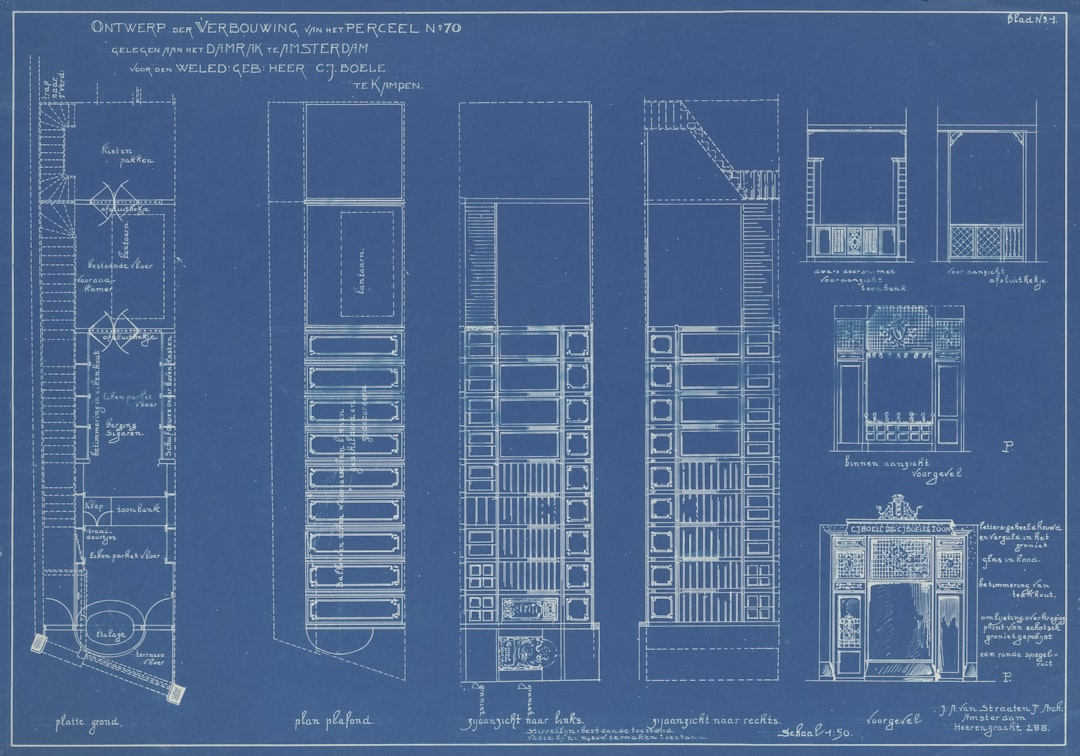
AI tools can recognize walls, slabs, and roof areas. They understand shapes. They calculate dimensions automatically.
Some systems even adjust for scale issues. If a drawing is slightly off, AI can detect it.
That reduces costly mistakes.
Learning from the Past
One of AI’s biggest strengths is pattern recognition.
Every completed project holds valuable information. Labor productivity. Material waste. Actual versus estimated cost.
Traditional estimating often ignores this data. It sits in folders. Or buried in old spreadsheets.
AI can analyze years of project history in seconds.
It can answer questions like:
- How long did similar jobs take?
- Where did we lose money last time?
- Which supplier gave the best pricing?
- What labor productivity rate is realistic?
This turns estimating from guesswork into strategy.
Reducing Errors and Risk
Human error is normal. We all make mistakes. Especially under tight deadlines.
AI acts like a second set of eyes.
It can flag:
- Missing scope items
- Duplicate entries
- Unusual cost spikes
- Inconsistent unit pricing
For example, if drywall pricing suddenly jumps 40 percent with no reason, the system can alert you.
That helps protect profit margins.
Faster Bids, More Opportunities
Speed matters in competitive bidding.
If it takes two weeks to prepare one estimate, you bid fewer jobs. Fewer bids mean fewer chances to win.
With onscreen takeoff and AI:
- Measurements are faster.
- Calculations are automatic.
- Reports generate instantly.
This means you can bid more projects. Without hiring a huge estimating team.
And more bids often lead to more wins.
Improved Collaboration
Modern estimating software lives in the cloud.
This means:
- Teams can work from different locations.
- Changes update in real time.
- Project managers can review estimates easily.
- Owners can see clear reports.
AI also helps standardize processes. Instead of each estimator using a different method, the system creates consistency.
Consistency builds trust. Both inside your company and with clients.
Is AI Replacing Estimators?
Short answer: No.
AI is a tool. Not a replacement.
It handles repetitive tasks. It crunches numbers. It spots patterns.
But humans still provide:
- Judgment
- Experience
- Local market knowledge
- Vendor relationships
- Strategic thinking
An experienced estimator understands job complexity. They know when a site condition might cause trouble. They sense when something feels off.
AI supports that expertise. It does not replace it.
Getting Started Is Easier Than You Think
Some contractors worry that digital tools are hard to learn.
The truth? Most modern software is built to be user-friendly.
Many platforms offer:
- Drag-and-drop tools
- Simple point-and-click measuring
- Built-in training videos
- Templates for common trades
You do not need to be a tech expert. If you can use email and spreadsheets, you can learn onscreen takeoff.
And once you switch, going back to paper feels painful.
The Financial Impact
Let’s talk money.
Better estimating leads to:
- More accurate bids
- Healthier profit margins
- Fewer surprises during construction
- Stronger cost control
Even small improvements matter.
If AI helps you avoid just one underpriced job each year, it may pay for itself many times over.
Accuracy protects profit. Speed grows revenue. Together, they strengthen your entire business.
The Future of Construction Estimating
This technology is still evolving.
In the near future, we can expect:
- Voice-controlled estimating tools
- Real-time cost updates from suppliers
- Integration with scheduling software
- Automatic risk scoring for projects
Imagine uploading a set of plans and receiving a near-complete estimate in minutes. Then fine-tuning it with your professional judgment.
That future is closer than you think.
Final Thoughts
Construction has always been hands-on. Physical. Practical.
But behind every successful build is solid math.
Onscreen takeoff removed the paper. AI removes much of the manual effort. Together, they transform estimating from a slow, stressful task into a smarter, faster process.
The goal is simple.
Work smarter. Bid confidently. Build profitably.
And maybe even enjoy the process along the way.