
Table of Contents
Cloud computing has become the operating system of modern business, powering everything from customer service tools to artificial intelligence workflows. CloudMoo is best understood as a flexible cloud platform designed to help organizations manage applications, data, collaboration, automation, and digital infrastructure from one unified environment. Whether a company is scaling quickly, modernizing legacy systems, or looking for smarter ways to connect teams and customers, CloudMoo offers a practical foundation for building faster, more resilient digital operations.
TLDR: CloudMoo is a cloud-based platform that helps businesses centralize applications, data, workflows, and digital services. Its key benefits include scalability, cost efficiency, improved collaboration, stronger security, and faster deployment of business tools. Organizations can use CloudMoo for operations, analytics, customer service, remote work, automation, software development, and industry-specific digital transformation. For businesses seeking agility and long-term flexibility, CloudMoo can serve as a powerful cloud backbone.
What Is CloudMoo?
CloudMoo is a cloud platform concept built around the idea of simplifying how companies use digital infrastructure. Instead of relying on disconnected servers, local software installations, manual processes, and fragmented databases, CloudMoo enables businesses to access computing resources, applications, and services through the cloud. This means employees can work from anywhere, systems can scale on demand, and IT teams can manage resources more efficiently.
At its core, CloudMoo combines several important cloud capabilities: hosting, storage, workflow automation, integration, analytics, user management, and security. For small businesses, it can reduce the need for expensive hardware and complex IT maintenance. For larger enterprises, it can support multi-department workflows, global access, compliance requirements, and advanced digital services.
The real value of CloudMoo is not simply that it lives in the cloud, but that it helps businesses move faster while staying organized, secure, and adaptable.

Key Features of CloudMoo
CloudMoo’s strength comes from its range of features that support both technical and non-technical users. A well-designed cloud platform needs to be powerful enough for developers, yet simple enough for managers, sales teams, service departments, and operations staff to use effectively.
1. Centralized Cloud Dashboard
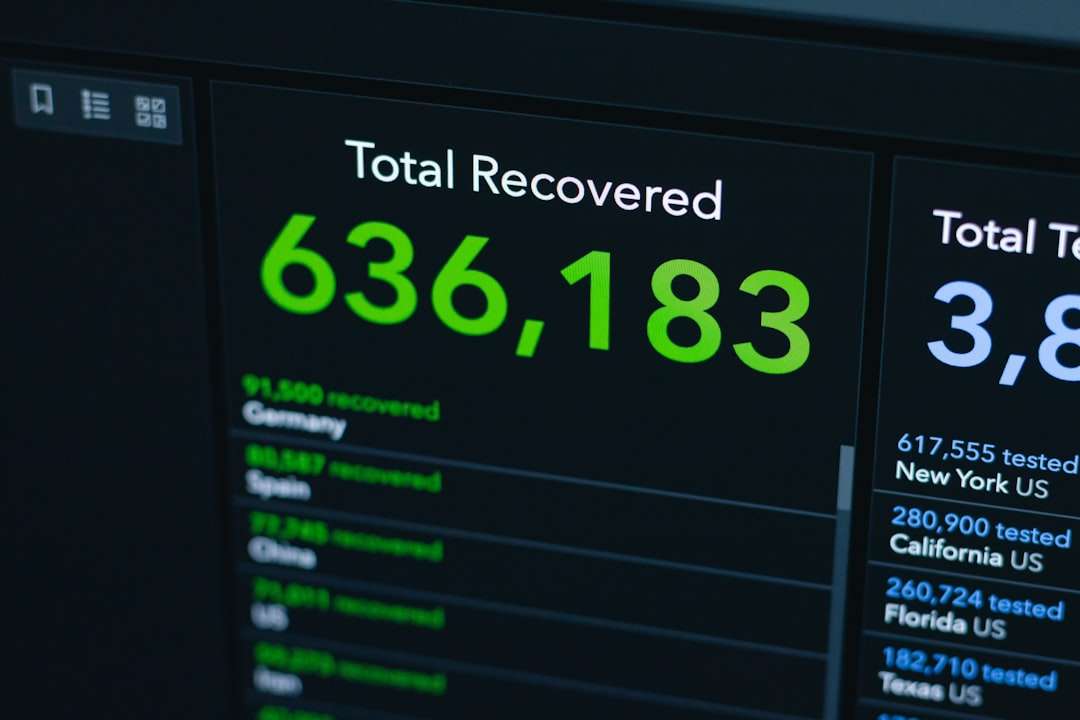
One of the most useful features of CloudMoo is a centralized dashboard where teams can monitor applications, users, storage, performance, and workflows. Instead of switching between multiple tools, users gain a single view of important business activity. A dashboard can show system health, project status, customer interactions, resource usage, and task progress in real time.
This type of visibility helps decision-makers respond quickly. For example, if a customer support queue is growing, managers can reassign staff. If a server workload increases, IT teams can scale resources before users experience delays.
2. Scalable Infrastructure
Scalability is one of the biggest advantages of any cloud solution, and CloudMoo is no exception. Businesses can increase or decrease computing power, storage, and application capacity depending on demand. This is especially useful for companies with seasonal traffic, growing customer bases, or unpredictable workloads.
- Retailers can scale during holiday shopping periods.
- Software companies can support new product launches.
- Educational institutions can handle enrollment peaks.
- Healthcare providers can manage increasing digital records and patient portals.
Instead of purchasing hardware that may sit unused for much of the year, businesses can align resources with actual needs.
3. Secure Data Storage and Backup
Data is one of the most valuable assets a business owns. CloudMoo can provide secure cloud storage with backup, encryption, access control, and recovery options. This helps protect organizations from accidental deletion, hardware failure, cyberattacks, and natural disasters.
Effective backup and recovery features are especially important for companies that cannot afford long periods of downtime. With cloud-based recovery tools, business-critical systems can often be restored faster than with traditional on-premise infrastructure.
4. Team Collaboration Tools
Modern teams are often distributed across offices, cities, or even countries. CloudMoo supports collaboration by giving team members shared access to documents, projects, communication tools, and workflows. Employees can update files, comment on tasks, track changes, and coordinate work without relying on endless email threads.
Collaboration becomes smoother when everyone works from the same source of truth. Instead of wondering which spreadsheet is current or who approved a request, teams can see updates in real time.
5. Workflow Automation
Automation is one of CloudMoo’s most business-friendly features. Repetitive tasks such as sending reminders, routing approvals, generating reports, updating records, or assigning tickets can be automated. This saves time and reduces human error.
For example, when a new customer fills out a form, CloudMoo could automatically create a customer profile, notify the sales team, schedule a follow-up task, and send a welcome email. A process that once required several manual steps can happen instantly and consistently.
6. Integration With Business Applications
Most companies already use a mix of tools: accounting software, customer relationship management systems, marketing platforms, inventory tools, communication apps, and analytics dashboards. CloudMoo can act as a connector between these systems. Integration reduces duplicate data entry and helps information flow across departments.
When sales, finance, operations, and support teams operate with connected data, the entire business becomes more coordinated. A support agent can see a customer’s purchase history, a finance team can access updated billing records, and managers can generate more accurate reports.
Benefits of CloudMoo for Businesses
CloudMoo’s features are valuable because they translate into measurable business benefits. The platform can improve efficiency, lower costs, strengthen security, and support innovation.
Lower Technology Costs
Traditional IT infrastructure often requires large upfront investments in servers, licenses, storage systems, maintenance, and internal support. CloudMoo can reduce these costs by shifting many resources to a subscription or usage-based model. Businesses can pay for what they need and avoid overbuying hardware.
This is particularly helpful for startups and small to mid-sized businesses that need professional-grade technology without enterprise-level capital spending.
Greater Flexibility and Agility
Business conditions change quickly. New competitors enter the market, customer expectations evolve, and internal processes must adapt. CloudMoo gives companies the flexibility to launch new services, test ideas, expand into new regions, or adjust workflows without rebuilding infrastructure from scratch.
Agility is not just a technical advantage; it is a competitive advantage. Companies that can move faster often serve customers better and capture opportunities earlier.

Improved Productivity
By centralizing tools and automating routine tasks, CloudMoo helps employees spend less time searching for information and more time doing meaningful work. A sales representative can access customer data quickly. A project manager can track progress without asking for constant updates. An operations team can monitor performance through live dashboards.
Small productivity gains across many employees can create significant business value over time.
Better Security Management
Security is a major concern for every organization. CloudMoo can support stronger security through features such as user permissions, multi-factor authentication, encryption, audit logs, automated backups, and monitoring. Centralized security management also makes it easier for administrators to control access when employees join, change roles, or leave the company.
While no platform eliminates risk completely, a structured cloud environment can make security easier to manage than scattered local systems and unmanaged files.
Business Continuity
Unexpected events can disrupt operations, from power outages and equipment failures to cyber incidents and severe weather. CloudMoo can support business continuity by keeping critical systems accessible from multiple locations and enabling faster recovery. If employees cannot access an office, they may still be able to work securely from home or another location.
This resilience has become essential in a world where remote and hybrid work are now normal business models.
Business Applications of CloudMoo
The practical uses of CloudMoo extend across departments and industries. Its flexibility makes it useful for both everyday operations and strategic transformation.
Customer Relationship Management
CloudMoo can support customer management by centralizing contact details, interactions, purchase history, service tickets, and follow-up tasks. Sales and support teams can gain a complete view of each customer, allowing them to provide faster and more personalized service.
For growing companies, this kind of organized customer data is vital. It helps prevent missed opportunities, improves retention, and enables more targeted marketing.
Project and Task Management
Businesses can use CloudMoo to coordinate projects, assign responsibilities, track deadlines, and monitor progress. Teams working on product launches, marketing campaigns, construction schedules, software releases, or internal initiatives can benefit from shared timelines and automated notifications.
- Managers gain visibility into workloads and bottlenecks.
- Team members understand priorities and deadlines.
- Executives can review progress without interrupting teams.
Data Analytics and Reporting
CloudMoo can help companies turn raw data into useful insights. By collecting information from different departments, it can support dashboards and reports on sales performance, customer behavior, operational efficiency, financial trends, and resource usage.
Good analytics help businesses move from guesswork to evidence-based decision-making. Instead of relying on assumptions, leaders can identify patterns, test strategies, and measure results.
Ecommerce and Digital Services
Online businesses need reliable infrastructure to support product catalogs, customer accounts, payments, order tracking, and marketing campaigns. CloudMoo can provide the foundation for ecommerce operations by integrating data, scaling during traffic spikes, and supporting secure customer experiences.
For service-based companies, CloudMoo can also power booking systems, client portals, subscription platforms, and digital delivery workflows.
Software Development and Testing
Development teams can use CloudMoo to create test environments, deploy applications, monitor performance, and collaborate on releases. Instead of waiting for physical servers or manually configuring environments, developers can provision resources quickly and focus on building better software.
This supports faster innovation and more reliable releases, especially when combined with automated testing and deployment pipelines.
Human Resources and Employee Operations
CloudMoo can also support HR processes such as onboarding, document management, training, leave requests, performance reviews, and internal communication. New employees can receive automated checklists, access required forms, and complete training modules from any location.
For companies with remote or hybrid teams, cloud-based HR systems make employee support more consistent and accessible.
Industries That Can Benefit From CloudMoo
CloudMoo is not limited to one type of business. Its value depends on how it is configured and applied. Different industries can use it in different ways:
- Retail: Inventory tracking, ecommerce integration, customer loyalty programs, and seasonal scaling.
- Healthcare: Secure records, appointment workflows, internal collaboration, and patient communication tools.
- Education: Learning platforms, student portals, digital assignments, and administrative reporting.
- Finance: Document management, compliance workflows, reporting, and secure customer access.
- Manufacturing: Supply chain visibility, maintenance tracking, production dashboards, and quality control.
- Professional services: Client portals, project tracking, billing workflows, and knowledge management.
Best Practices for Implementing CloudMoo
To get the most from CloudMoo, businesses should approach implementation strategically. Moving to the cloud is not just a technical change; it is an operational shift.
- Define clear goals: Identify whether the priority is cost reduction, better collaboration, automation, analytics, security, or scalability.
- Map existing workflows: Understand current processes before moving them into a cloud environment.
- Start with high-impact use cases: Choose departments or processes where CloudMoo can deliver visible value quickly.
- Train employees: Adoption improves when users understand how the platform helps them in daily work.
- Review security settings: Configure permissions, authentication, backups, and monitoring from the beginning.
- Measure results: Track productivity, cost savings, uptime, response times, and user satisfaction.
The Future of CloudMoo
As businesses continue adopting artificial intelligence, automation, remote work, and data-driven decision-making, platforms like CloudMoo will become increasingly important. The future of cloud platforms is likely to include smarter automation, predictive analytics, natural language interfaces, stronger security intelligence, and deeper integrations with industry-specific tools.
CloudMoo’s biggest opportunity lies in becoming more than a place to store applications and data. It can become a digital command center where people, processes, and technology work together. Businesses that embrace this kind of cloud-first thinking may be better prepared for rapid change, market disruption, and customer expectations that continue to rise.
Conclusion
CloudMoo represents the kind of cloud platform modern organizations need: flexible, scalable, collaborative, and practical. Its features can support everyday tasks such as file sharing and project tracking, while also enabling advanced capabilities like automation, analytics, secure data management, and application deployment.
For businesses, the benefits are clear. CloudMoo can reduce technology costs, improve productivity, support remote work, strengthen security, and make operations more resilient. Most importantly, it gives organizations the ability to adapt. In a business environment where speed and flexibility matter more than ever, CloudMoo can be a valuable foundation for sustainable digital growth.