

Table of Contents
Choose Mailchimp if your company newsletter supports sales, customer retention, or segmented marketing; choose beehiiv if your newsletter is mainly a content product built around audience growth. Both platforms can send polished company updates, but they serve different operating models. Mailchimp is stronger for established marketing workflows. beehiiv is cleaner for publishing, referrals, and newsletter-led growth.
TLDR: Mailchimp is usually better for companies that need CRM ties, automation, audience segments, and campaign reporting across several business goals. beehiiv is better for teams that want to publish fast, grow subscribers, and treat the newsletter like a media channel. For example, a 40-person SaaS company sending product updates to 18,000 customers may get more value from Mailchimp’s segmentation, while a founder-led newsletter aiming to grow from 2,000 to 20,000 readers may find beehiiv simpler and cheaper to manage. If open rate, click rate, and referral growth are your main numbers, beehiiv feels focused; if revenue attribution and customer groups matter, Mailchimp is safer.
What company newsletters actually need
A company newsletter is not just a monthly email. Done well, it supports trust, recall, education, and sales readiness. The tool matters because bad workflow slows the team down. It also affects deliverability, reporting, and how easy it is to reuse content.
Most company newsletters fall into one of three types:
- Customer update newsletters: product news, feature releases, training links, policy notices, and customer stories.
- Thought leadership newsletters: executive notes, industry commentary, reports, analysis, and curated resources.
- Internal or stakeholder newsletters: employee updates, investor notes, partner briefings, and board-ready summaries.
Mailchimp handles the first and third types especially well. beehiiv shines with the second type, especially when the newsletter itself is meant to grow as an audience asset.

Mailchimp: better for structured company marketing
Mailchimp has been used by small businesses, ecommerce brands, nonprofits, and B2B teams for years. Its strength is not just email design. Its value sits in audience management, automation, forms, landing pages, and integrations.
If your company newsletter needs to target different readers with different messages, Mailchimp makes sense. A software company may want customers on the starter plan to receive onboarding tips, while enterprise users receive release notes and security updates. A retail brand may want VIP buyers to see early offers, while inactive customers receive reactivation content. Mailchimp can support that with tags, segments, automations, and behavior-based triggers.
Mailchimp is a strong fit when your team needs:
- Audience segmentation based on customer type, behavior, purchase history, or tags.
- Automated email sequences for onboarding, retention, renewals, or event follow-up.
- Templates with brand controls for repeatable campaign production.
- Integrations with ecommerce, CRM, signup forms, and analytics tools.
- Reports that connect email activity with conversions and campaign goals.
The downside is that Mailchimp can feel heavier than needed for a simple editorial newsletter. Some routine tasks take more clicks than expected. Honestly, it feels like setting up a clean campaign can take 30 to 60 seconds longer than it should when all you want is to paste an article, add a subject line, and send a test.
Pricing can also rise as your list grows. Companies with large audiences should review projected costs before moving a full database. The platform is reliable, but not always the leanest option.
beehiiv: better for newsletter-first publishing
beehiiv was built for creators, media operators, and companies that see their newsletter as a channel for audience growth. It is simpler to publish from. The writing interface is clean. Growth tools are built into the product. Referral programs, recommendation features, and publication pages are part of the core experience.
For a company building authority through weekly insights, beehiiv can feel more natural. A consulting firm can turn partner commentary into a recurring newsletter. A cybersecurity startup can publish threat briefings. A finance company can build a niche audience around weekly market notes. The workflow supports publishing with less clutter.
beehiiv is a strong fit when your team wants:
- A fast editor for content-led newsletters.
- Built-in referral and recommendation tools.
- A hosted newsletter archive with SEO-friendly publication pages.
- Simple subscriber growth tracking.
- Monetization options such as paid subscriptions or sponsorships.
The frustration is that beehiiv is not as deep for traditional marketing operations. If your contacts need complex lifecycle automation, sales handoff rules, or ecommerce behavior tracking, you may hit limits sooner. It is good at publishing. It is less suited to acting as the central marketing system.

Content planning: what to send on each platform
The best company newsletter ideas depend less on the tool and more on the job of the newsletter. Still, each platform encourages a different style.
Strong Mailchimp newsletter ideas include:
- Product release digest: a monthly roundup of new features, fixes, webinars, and help docs.
- Customer success spotlight: a short case story with measurable results, such as “reduced onboarding time by 22%.”
- Segmented education series: different content for new users, power users, and decision makers.
- Event follow-up newsletter: links to slides, recordings, offers, and sales calls after a webinar or conference.
- Renewal readiness update: value summaries sent to account contacts before contract renewal.
Strong beehiiv newsletter ideas include:
- Founder’s weekly memo: direct commentary on company decisions, lessons, and market signals.
- Industry briefing: five curated links with short analysis from your experts.
- Original research note: one chart, one insight, and one practical takeaway.
- Community question issue: reader questions answered by your team.
- Partner or expert column: recurring guest insight that adds credibility and reach.
Analytics and reporting
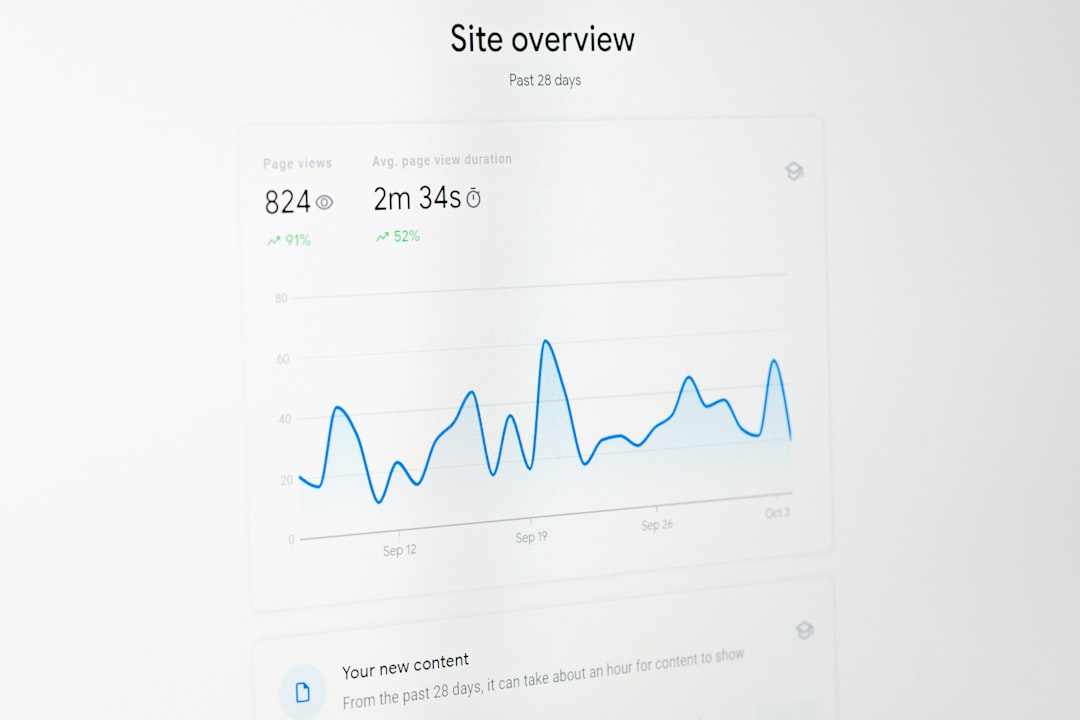
Mailchimp gives broader campaign reporting. It can show opens, clicks, bounces, unsubscribes, link performance, ecommerce revenue, and automation results. This helps when leadership asks, “Did this campaign support pipeline or sales?” It is not magic, but it gives marketers more reporting structure.
beehiiv focuses on newsletter health. You get subscriber growth, referral activity, engagement, post performance, and audience trends. This is useful when the main goal is building a loyal reader base. If a weekly issue brings 420 new subscribers and 18% come from referrals, that matters. beehiiv makes those growth signals easier to see.
Design and brand control
Mailchimp offers more traditional design flexibility. It has templates, drag-and-drop blocks, brand styling, and layouts suited to promotional campaigns. That helps larger teams that need consistent headers, footers, compliance language, and reusable modules.
beehiiv favors clean, publication-style formatting. The emails often look more editorial and less promotional. That can be a positive. Many readers prefer newsletters that feel like useful reading, not another branded brochure. The tradeoff is less control over complex visual layouts.
Deliverability and list quality
Neither tool can save a poor list. If you import old contacts, ignore consent, or send weak content, performance will suffer. Both platforms require proper sender setup, including domain authentication. SPF, DKIM, and DMARC should be handled before serious sending begins.
For company newsletters, list hygiene matters. Remove dead contacts. Watch spam complaints. Keep unsubscribe links clear. A smaller engaged list is usually better than a large cold list. If 12,000 subscribers produce a 38% open rate, that is often stronger than 60,000 subscribers producing 8%.
Which platform should your company choose?
Pick Mailchimp if your newsletter is part of a wider marketing system. It is the better choice for customer segmentation, sales support, ecommerce emails, lifecycle automation, and reporting tied to business activity.
Pick beehiiv if your newsletter is a content channel first. It is better for publishing thought leadership, growing subscribers, running referrals, and building a public archive around your company’s ideas.
For many companies, the decision is simple. If the newsletter supports customer journeys, use Mailchimp. If the newsletter builds an audience around expertise, use beehiiv. The worst choice is buying the tool with the most features, then using only 15% of it while the team avoids sending because the process feels annoying.
A serious newsletter program needs a clear goal, a reliable sending rhythm, and useful content. The platform should reduce friction, not create another weekly chore. Mailchimp gives control. beehiiv gives publishing speed. Choose the one that matches how your company earns trust.