
Table of Contents
Digital payments have evolved rapidly over the past decade, and Google has been at the center of that transformation. However, confusion still surrounds the difference between GPay and Google Pay. Are they the same product? Has one replaced the other? And most importantly, which one offers a better payment experience in 2026? Understanding how these services evolved and what they offer today helps users choose the right platform for everyday transactions.
TLDR: GPay and Google Pay were once separate branding strategies for Google’s payment ecosystem, but by 2026, Google Pay has become the unified global platform. GPay survives as a simplified app interface brand in select regions. Google Pay offers broader features, including tap‑to‑pay, online checkout, loyalty integration, and business payments. For most users in 2026, Google Pay is the more complete and versatile option.
Understanding the Evolution of GPay and Google Pay
To understand the differences, it helps to look at their origin.
- Google Wallet (2011) – Google’s original payment app.
- Android Pay (2015) – Focused on NFC tap‑to‑pay.
- Google Pay (2018) – A merged platform combining Wallet and Android Pay.
- GPay (2020–2022) – A redesigned app focused on peer-to-peer payments and budgeting tools in select countries.
By 2026, Google streamlined its branding again. In most global markets, Google Pay is the unified product handling contactless payments, online checkout, digital cards, transit passes, IDs, and more. The term GPay is still informally used, often referring to the mobile app interface itself rather than a completely separate platform.
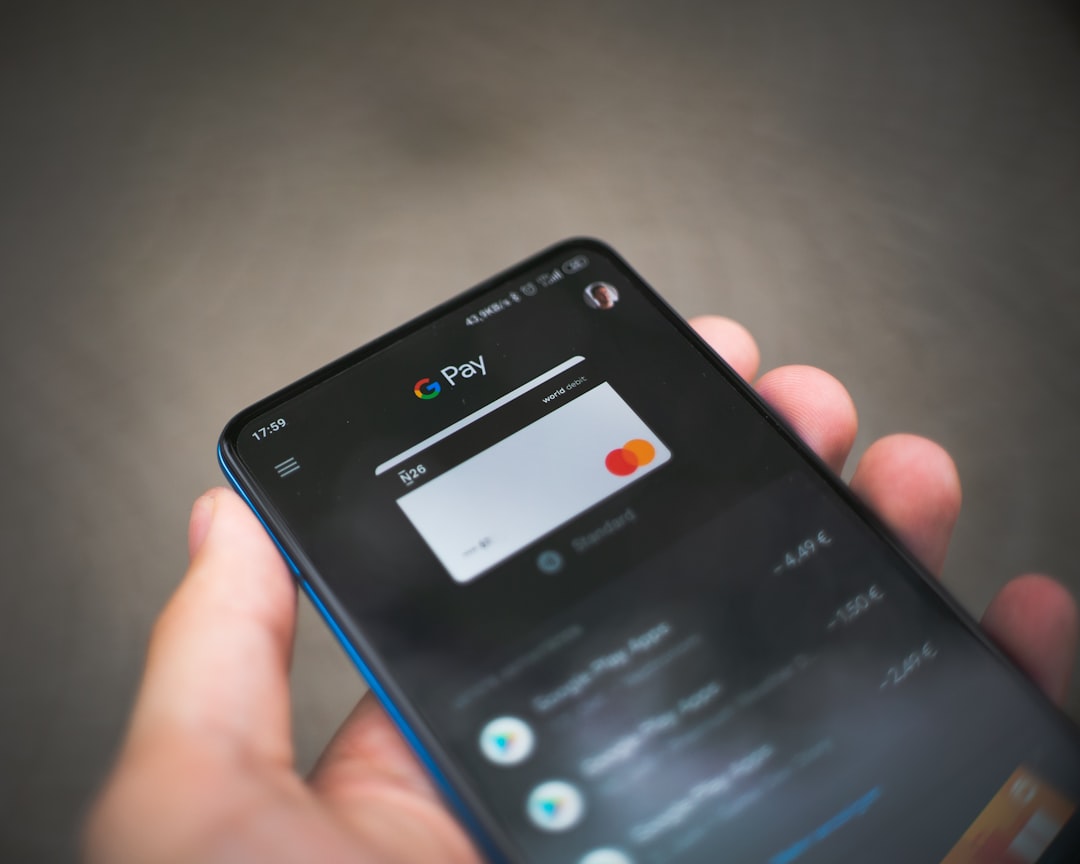
GPay Vs Google Pay: Core Differences in 2026
While many people use the names interchangeably, there are still key differences in branding, features, and regional functionality.
1. Branding and Availability
- Google Pay: The primary global payment service integrated into Android devices, Chrome browser, and Wear OS.
- GPay: A consumer-facing app name still visible in some regions, especially in India and parts of Asia.
In practical terms, most users downloading the app in 2026 are accessing Google Pay, even if the icon displays “GPay.”
2. Supported Payment Types
Google Pay supports:
- Contactless NFC payments
- Online and in-app payments
- Peer-to-peer transfers
- Transit passes
- Digital IDs (in supported regions)
- Loyalty cards and gift cards
GPay (App-Focused Experience) emphasizes:
- Peer-to-peer transfers
- Bank-linked payments
- Rewards and cashback features (regional)
- Bill splitting
3. Geographic Differences
In countries like India, GPay continues to operate heavily around UPI integration, making it one of the dominant payment platforms. In the United States and Europe, however, Google Pay focuses more on tap‑to‑pay and wallet functionality rather than bank-transfer ecosystems.
Feature Comparison Chart (2026)
| Feature | Google Pay (Global Version) | GPay (Regional App Version) |
|---|---|---|
| Contactless NFC Payments | Yes | Yes (where supported) |
| Online Checkout Integration | Yes | Limited in some regions |
| Peer-to-Peer Transfers | Yes | Yes (core focus) |
| UPI Integration | Limited to India | Strong integration (India) |
| Digital IDs & Transit Passes | Yes (select regions) | Rare |
| Wear OS Compatibility | Full support | Indirect through Google Pay |
| Rewards & Cashback | Occasional offers | Stronger regional incentive programs |
User Interface and Experience
In 2026, Google Pay emphasizes minimalism and speed. Users can access:
- Tap-to-pay cards immediately on launch
- Transaction history with AI-driven insights
- Budget tracking and smart spending alerts
The GPay experience, particularly in markets like India, is more socially integrated. It includes:
- Payment reminders
- Group bill splitting
- Promotional scratch cards and rewards
Users focused on simple tap-and-go functionality typically prefer Google Pay’s streamlined wallet interface. Those who frequently transfer money between friends and family may enjoy GPay’s more community-focused design.
Security and Privacy
Security remains nearly identical because both operate within Google’s encrypted ecosystem. Features include:
- Tokenization: Card details are never shared with merchants.
- Biometric authentication: Fingerprint and facial recognition.
- Device-level encryption: Protection if the phone is lost.
- Fraud monitoring powered by AI: Real-time suspicious activity alerts.
In 2026, Google has also expanded passkey authentication, reducing reliance on SMS verification and minimizing phishing risks.
Integration with Other Google Services
One advantage Google Pay holds is its integration across the company’s ecosystem:
- Chrome autofill payments
- YouTube subscriptions
- Google Play purchases
- Google Wallet passes
- Smartwatch payments via Wear OS
GPay, being more app-centric in certain regions, sometimes functions independently from deeper ecosystem features.
Image not found in postmetaFees and Costs
For everyday users, both GPay and Google Pay remain free for standard transactions. However:
- International transfers may include bank fees.
- Business integrations may involve merchant processing costs.
- Currency conversion fees depend on financial institutions.
As of 2026, Google has not introduced consumer subscription fees for core payment functionality.
Business and Merchant Capabilities
Merchants benefit more from Google Pay due to:
- Seamless checkout button integration
- API support for eCommerce stores
- Subscription billing options
- Global transaction processing
GPay’s strength lies in QR-based merchant payments, especially in markets with widespread UPI adoption.
Which One Is Better for Payments in 2026?
The answer depends on the user’s location and payment habits.
Google Pay is better for:
- International travelers
- Contactless in-store payments
- Wearable device users
- Online shopping convenience
GPay is better for:
- Frequent peer-to-peer transfers
- UPI-based banking regions
- Users seeking rewards-driven payments
- Localized banking integrations
For most consumers in North America and Europe, Google Pay offers the most comprehensive functionality in 2026. In India and select Asian markets, GPay’s deep financial infrastructure integration makes it equally strong—if not superior—for daily transactions.
Future Outlook
Industry analysts expect further consolidation under the Google Pay branding globally. With expanding support for digital identity verification, transit systems, and even government-issued credentials, Google Pay appears positioned to become more than just a payment method — it is evolving into a full digital wallet solution.
Meanwhile, the social and peer-driven elements popularized by GPay continue influencing design decisions worldwide.
Frequently Asked Questions (FAQ)
1. Is GPay different from Google Pay in 2026?
Technically, they operate within the same ecosystem. Google Pay is the primary platform, while GPay may appear as a regional app branding.
2. Can both apps be used for contactless payments?
Yes. Both support NFC tap-to-pay functionality on compatible Android devices.
3. Is Google Pay safer than GPay?
No major security difference exists. Both use Google’s encryption, tokenization, and biometric verification systems.
4. Which one is better for sending money to friends?
In regions like India, GPay offers stronger peer-to-peer integration. In other countries, Google Pay handles person-to-person transfers efficiently.
5. Does Google Pay work on iPhone?
Limited functionality is available through web-based services. Full NFC tap-to-pay remains primarily Android-focused.
6. Are there transaction fees?
Most personal transactions are free, though banks or card issuers may apply certain fees.
7. Will Google phase out the GPay name completely?
Industry trends suggest continued consolidation under Google Pay, though regional branding may remain where it has strong recognition.
Ultimately, in 2026, the distinction between GPay and Google Pay is more about branding and regional feature emphasis than about entirely separate services. For users seeking a powerful, secure, and globally compatible digital wallet, Google Pay stands out as the more future-ready option.