
Table of Contents
Monster Hunter Wilds patch notes are more than a routine list of technical changes; they are the clearest record of how Capcom is refining the hunting experience after launch. For players investing dozens or hundreds of hours into weapon mastery, multiplayer hunts, armor builds, and monster research, each update can affect performance, balance, progression, and overall reliability. This article provides a serious, practical overview of the latest update priorities, the kinds of fixes players should expect, and how to read patch notes with a critical eye.
TLDR: The latest Monster Hunter Wilds patch notes should be read as a combination of stability improvements, gameplay adjustments, and quality of life refinements. Players should pay close attention to fixes affecting crashes, multiplayer connectivity, monster behavior, weapon balance, quest progression, and save data security. While individual changes may look small, they can meaningfully affect hunt consistency, build planning, and online play. Always confirm version-specific details through Capcom’s official update notices before making major gameplay decisions.

Why Patch Notes Matter in Monster Hunter Wilds
Monster Hunter Wilds is built around repeated hunts, deep mechanical systems, and long-term character progression. Because of that, even a minor adjustment can influence how players approach the game. A change to hit detection may make a monster’s charge feel fairer. A weapon correction may alter optimal damage rotations. A multiplayer fix may determine whether a hunting party can complete a difficult quest without disconnects.
Patch notes also matter because Monster Hunter is a game of details. Players study motion values, armor skills, elemental weaknesses, part breaks, stamina behavior, and monster openings. When an update changes one part of that ecosystem, it can shift the practical value of weapons, armor sets, decorations, and tactics. Serious players should treat patch notes as part of the game’s ongoing rulebook.
Core Focus of the Latest Updates
The most important Monster Hunter Wilds updates generally fall into several broad categories. These categories help players quickly identify whether an update affects their immediate experience or long-term planning.
- Performance and stability: fixes related to crashes, frame rate drops, loading issues, and platform-specific reliability.
- Multiplayer and network improvements: adjustments to matchmaking, lobby stability, disconnections, quest synchronization, and co-op behavior.
- Gameplay balance: refinements to weapons, monster attacks, armor skills, item effects, and environmental interactions.
- Quest and progression fixes: corrections for blocked objectives, missing rewards, improper quest completion, or NPC interaction errors.
- User interface improvements: better menu clarity, clearer icons, corrected text, and smoother equipment management.
- Audio and visual corrections: fixes for animation problems, missing effects, camera behavior, sound triggers, and graphical glitches.
When reading a patch note list, it is worth distinguishing between visible improvements and background fixes. A visible improvement might be a corrected weapon animation or clearer quest marker. A background fix may prevent a rare crash that most players have not personally encountered, but which is still critical for overall stability.
Performance Fixes and Technical Stability
Performance remains one of the most important areas for any large-scale action game. Monster Hunter Wilds features expansive environments, dynamic monster movement, complex animation systems, and fast combat encounters. If the frame rate drops during a monster’s key attack animation, player timing can suffer. If the game crashes near the end of a long hunt, the loss feels especially severe.
The latest patch notes are therefore expected to emphasize crash prevention, smoother loading, and improved stability across supported platforms. Players should look for mentions of fixes related to specific conditions, such as crashes during cutscenes, instability after long play sessions, or problems triggered by certain environmental effects. Even when these fixes sound narrow, they can significantly improve confidence during extended sessions.
On PC, patch notes often deserve extra scrutiny because hardware variation is wide. Updates may address graphics settings, shader compilation, driver compatibility, resolution scaling, ultrawide display behavior, or input recognition. Console updates may focus more on frame pacing, suspend and resume behavior, save handling, and online service integration. In both cases, the goal is the same: making hunts feel consistent and dependable.
Multiplayer Improvements and Online Reliability
Monster Hunter has always been strongly associated with cooperative play, and Wilds places heavy emphasis on shared hunts and seamless online functionality. As a result, multiplayer stability is one of the most important sections of any patch note release. A hunt can be mechanically successful and still feel frustrating if a teammate disconnects at the wrong time.
Important multiplayer fixes may include improved matchmaking reliability, better lobby visibility, reduced connection errors, and corrections to quest state synchronization. Players should also watch for fixes affecting reward distribution, monster health scaling, and party member visibility. These issues are especially important because multiplayer bugs can create confusion about whether a failure was caused by player error or technical instability.
Serious recommendation: after a major update, groups that hunt together regularly should test connection stability before attempting their hardest quests. A quick lower-risk hunt can reveal whether matchmaking, voice systems, or platform-specific services are behaving normally.
Weapon Adjustments and Combat Balance
Weapon balance is one of the most closely watched parts of Monster Hunter Wilds patch notes. Every weapon in the series has a distinct identity, and players often commit deeply to one or two weapon types. A small correction to damage scaling, guard behavior, animation cancel timing, or hit registration can affect how a weapon feels in practical hunts.
Not every weapon-related patch note should be interpreted as a nerf or buff. Some changes are simply bug fixes. For example, if a move was not applying its intended number of hits, a correction may increase damage without being a deliberate balance buff. Conversely, if a move was receiving unintended benefits from a skill or item, reducing its power may be described as a fix rather than a balance pass.
Players should pay special attention to notes involving:
- Hit detection: whether attacks connect more reliably with monster parts.
- Guard and counter behavior: whether defensive tools activate under intended conditions.
- Animation timing: whether recovery frames, cancel windows, or movement transitions have changed.
- Elemental and status application: whether poison, paralysis, sleep, blast, and elemental damage are calculated correctly.
- Skill interactions: whether armor skills, decorations, and weapon mechanics work together as intended.
Before abandoning a build after an update, players should test their weapons in controlled conditions. Training areas, repeatable hunts, and familiar monsters are useful for determining whether a change meaningfully affects performance.
Monster Behavior, Hitboxes, and Encounter Fixes
Patch notes that address monster behavior can have a major impact on fairness and difficulty. Monster Hunter combat depends on readable patterns, precise positioning, and risk management. If a monster’s attack has an inconsistent hitbox, delayed animation, or unintended tracking behavior, the fight can feel unfair rather than challenging.
Updates may include corrections to monster AI, pathfinding, turf war behavior, environmental interactions, or attack collision. These fixes are not always about making the game easier. Sometimes they make monsters more reliable, more aggressive in intended ways, or less likely to become stuck in terrain. Consistency is the guiding principle: a monster should be dangerous because of its design, not because of technical errors.
Hunters should also watch for updates involving part breaks and wound systems. If a monster part fails to break correctly, if visual damage does not match actual damage states, or if wounds behave inconsistently, progression and strategy can both be affected. These systems are central to reward acquisition, so fixes in this area are particularly important for players farming specific materials.
Quest Progression and Reward Corrections
Quest-related fixes may look less dramatic than combat adjustments, but they can be among the most important improvements in the game. A blocked quest, missing NPC prompt, incorrect objective marker, or reward error can halt progression or waste significant time. In a game built around repeated effort, reward accuracy is essential.
Players should read patch notes carefully for corrections involving main story quests, optional hunts, investigations, gathering objectives, and special assignments. Any fix related to completion recognition, reward tables, or item delivery should be taken seriously. If a quest previously failed to grant expected materials, players may need to repeat it after the update to confirm the correction has taken effect.
It is also wise to check whether the patch notes mention save data. Save-related fixes deserve special attention because they protect long-term progress. If an update includes save stability improvements, players should ensure the game fully updates before continuing important progression.
User Interface and Quality of Life Improvements
Quality of life improvements often make the game feel better without changing its core difficulty. These can include clearer menus, improved sorting, better map readability, corrected item descriptions, smoother equipment loadout management, and more useful tutorial messages. In Monster Hunter Wilds, where information density can be high, clarity is not a luxury; it is part of playability.
Patch notes may also mention text corrections. These should not be dismissed. An inaccurate description of a skill, item, or quest condition can mislead players and affect build decisions. Corrected wording helps ensure that the game communicates its systems honestly.
How Players Should Prepare Before Updating
Before installing a major Monster Hunter Wilds update, players should take a few practical steps. These precautions are especially useful for players with limited time, unstable internet connections, or extensive saved progress.
- Confirm the update source: rely on official Capcom patch notes and platform update pages.
- Back up save data where possible: use cloud saves or platform-supported backup options.
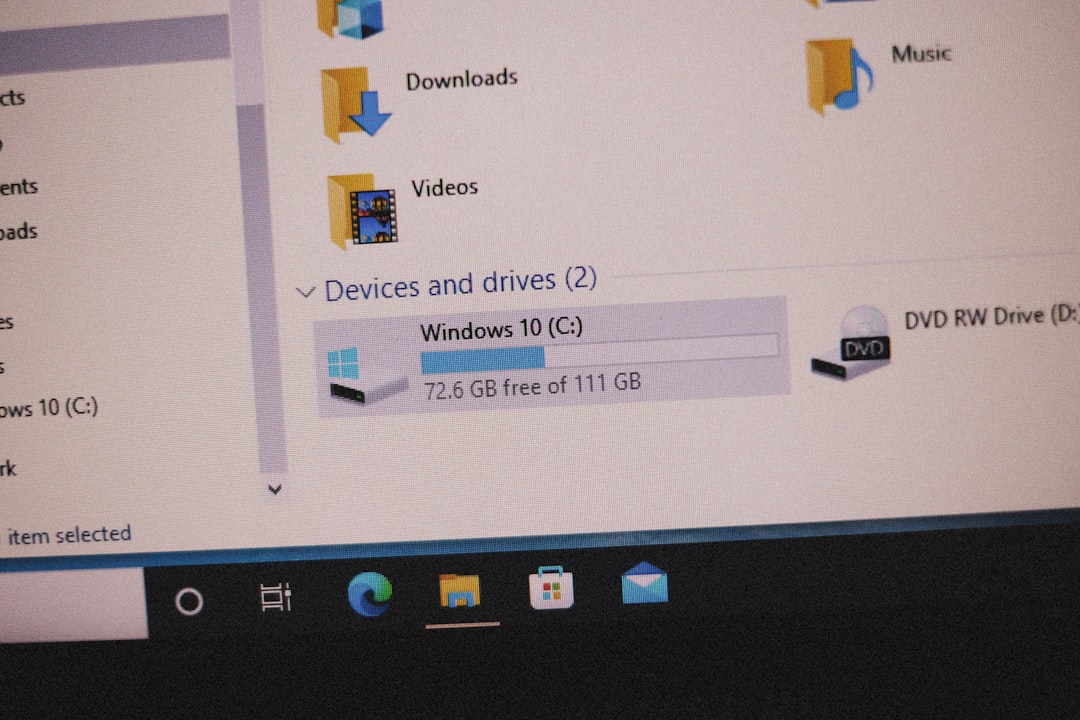
- Check storage space: large updates may require more free space than the final download size suggests.
- Review known issues: official notes may list unresolved problems that could affect your current build or platform.
- Test key systems: after updating, check your equipment loadouts, item box, multiplayer access, and active quests.
These steps may seem cautious, but they are reasonable for a game where progress and preparation matter. A careful update routine reduces the risk of avoidable frustration.
Known Issues and Unresolved Problems
Trustworthy patch notes do not only describe what has been fixed; they may also identify issues that remain under investigation. Players should pay close attention to these sections because they indicate where future updates are likely to focus. Known issues may involve rare crashes, display bugs, unintended quest behavior, or specific platform problems.
If an issue is listed as unresolved, players should avoid assuming it has been silently fixed. Likewise, if a bug is not mentioned, that does not guarantee it is unknown to the developer. Reporting problems through official support channels, with clear reproduction steps and platform details, remains the most useful way for players to contribute to long-term stability.
Final Assessment
The latest Monster Hunter Wilds patch notes should be viewed as part of the game’s ongoing maintenance and refinement. The most valuable updates are not always the most dramatic ones. Stability improvements, accurate hitboxes, reliable multiplayer, fair reward distribution, and clearer menus all contribute to a stronger hunting experience.
For serious players, the best approach is disciplined: read the notes, verify the source, test affected weapons and quests, and avoid overreacting to isolated changes before understanding their practical impact. Monster Hunter Wilds is a systems-heavy game, and patch notes are essential for understanding how those systems evolve. With careful attention to each update, hunters can adapt confidently and continue pursuing more consistent, rewarding hunts.