
Table of Contents
In modern banking, speed and accuracy are essential. One of the technologies that has quietly powered secure check processing for decades is the MICR account number. Though many consumers rarely think about it, this specialized number system plays a vital role in ensuring checks are processed efficiently and without costly errors. Understanding how a MICR account number works can help you better manage your banking transactions and protect your financial information.
TLDR: A MICR account number is part of the magnetic ink character recognition system printed at the bottom of checks. It allows banks to quickly and accurately process checks using magnetic ink and specialized readers. The MICR line typically includes the routing number, account number, and check number. This system enhances security, reduces fraud, and improves processing speed in banking operations.
What Does MICR Mean?
MICR stands for Magnetic Ink Character Recognition. It is a specialized technology developed in the 1950s to streamline check processing. Instead of relying solely on visual reading, banks use machines that read characters printed in magnetic ink.
The MICR system uses a specific font and magnetic ink printed along the bottom of checks. This line of text, known as the MICR line, contains important banking information that machines can read even if the check has been stamped, marked, or slightly damaged.
Because of its reliability and security benefits, MICR technology remains a foundational component of global check processing systems.
What Is a MICR Account Number?
The term MICR account number refers specifically to the individual bank account number printed within the MICR line on a check. It identifies the account from which funds will be withdrawn when the check is deposited or cashed.
It is important to understand that the MICR line typically contains three critical numbers:
- Routing number – Identifies the financial institution.
- Account number – Identifies the specific customer account.
- Check number – Identifies the individual check.
The account number is unique to the account holder. While it is printed visibly on the check, the magnetic ink ensures it can be read accurately by high-speed processing machines.
Where to Find the MICR Account Number
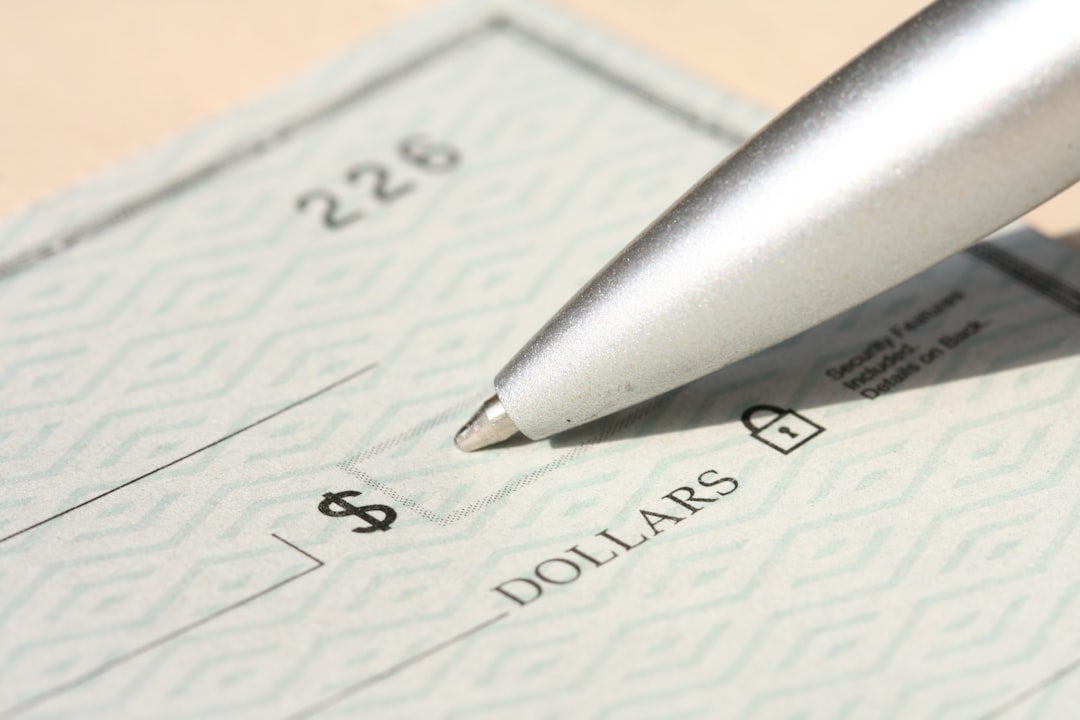
The MICR line is always located at the bottom of a paper check. The numbers are printed in a unique font, often appearing slightly different from ordinary typefaces.
To locate your MICR account number:
- Look at the bottom edge of your check.
- Identify the first set of numbers (usually the routing number).
- The second set of numbers is typically your account number.
- The final set is the check number.
While formatting can vary slightly between banks, this order is standard in the United States and many other countries.
How MICR Technology Works
MICR technology relies on magnetic ink or toner that contains iron oxide. This ink allows machines to magnetize and read the characters even if they are covered by stamps or handwriting.
Here is how the process works:
- The check passes through a MICR reader.
- The machine magnetizes the magnetic ink characters.
- A sensing head detects the magnetic signals emitted by each character.
- The signals are translated into digital information.
This method is highly accurate. In fact, MICR systems have extremely low error rates compared to manual data entry. Even if visual recognition fails, the magnetic signal can still be detected.
Why MICR Account Numbers Are Important
The MICR account number plays a central role in banking security and processing. Without it, banks would need to manually verify each check, drastically increasing processing time and the likelihood of human error.
Key benefits include:
- High processing speed: Banks can sort and clear thousands of checks per hour.
- Improved accuracy: Magnetic reading reduces data entry mistakes.
- Fraud deterrence: Specialized ink and formatting are difficult to replicate.
- Operational efficiency: Automation lowers costs for financial institutions.
Although digital payments have grown significantly, millions of checks are still processed annually. MICR technology ensures this legacy payment method remains dependable.
MICR vs. Routing Number vs. Account Number
Some people confuse the MICR account number with the routing number. While they appear together, they serve different purposes.
Routing Number
- Identifies the bank or credit union.
- Used for wire transfers and electronic payments.
- Assigned by a national banking authority.
Account Number
- Identifies your specific account.
- Unique to you within the institution.
- Used for deposits, withdrawals, and payments.
MICR Line
- Contains the routing number, account number, and check number.
- Printed in magnetic ink for machine reading.
In simple terms, the MICR account number is your regular bank account number presented in a machine-readable magnetic format.
Security Features of MICR
Security remains one of the most valuable aspects of MICR technology. Banks rely on the system not only for speed but also for fraud prevention.

Security advantages include:
- Magnetic verification: Genuine magnetic ink produces specific signals that are difficult to counterfeit.
- Standardized fonts: The E-13B and CMC-7 fonts are globally recognized and tightly regulated.
- Automated validation: Machines flag irregularities quickly.
- Durability: Magnetic characters remain readable even after physical wear.
While no system is entirely immune to fraud, MICR adds a layer of technical protection that complements other check security features like watermarks and microprinting.
Common Questions About MICR Account Numbers
Is the MICR account number the same as my online banking account number?
Yes. The account number printed in the MICR line is typically the same as the account number used for direct deposits and electronic payments.
Can someone steal money using my MICR account number?
If someone has both your routing and account numbers, they may attempt unauthorized transactions. For this reason, checks should be handled carefully, and suspicious activity should be reported immediately.
Do digital payments use MICR?
Electronic transfers such as ACH payments use routing and account numbers but do not rely on magnetic ink. MICR is specifically designed for paper check processing.
MICR in the Modern Banking Environment
Despite the global shift toward digital banking, MICR remains relevant. Many businesses, government agencies, and individuals still rely on checks for certain transactions.
Financial institutions continue to invest in MICR-compatible infrastructure because:
- Checks remain legally recognized payment instruments.
- Some industries prefer paper trails.
- Certain high-value or official transactions are often conducted by check.
Additionally, many automated clearing houses still process physical checks after they are scanned into digital images under Check 21 regulations in the United States. Even when checks are converted into electronic images, the original MICR data ensures accuracy during initial capture.
Best Practices for Protecting Your Account Information
Because the MICR account number is sensitive financial information, responsible handling is essential.
Recommended practices include:
- Store checkbooks in a secure location.
- Avoid sharing images of checks publicly.
- Shred unused or voided checks before disposal.
- Monitor bank statements regularly for unauthorized transactions.
- Report lost or stolen checks immediately.
Vigilance significantly reduces the risk of fraud or identity theft.
Conclusion
The MICR account number is a core element of traditional banking infrastructure. Though it may appear as a simple string of numbers at the bottom of a check, it represents a carefully designed system built for speed, reliability, and security. By combining magnetic ink with standardized character recognition, banks can process vast volumes of checks efficiently and accurately.
Understanding how the MICR account number functions helps demystify paper check transactions and highlights the enduring value of this technology. Even in an era dominated by digital payments, MICR continues to serve as a trusted backbone of financial operations worldwide.