

Table of Contents
As audio technology continues to evolve, businesses and consumers alike are seeking more flexible, scalable, and intelligent solutions. Cloud connected audio is emerging as a transformative approach that combines traditional audio systems with the processing power and accessibility of the cloud. From commercial environments to smart homes, this technology is redefining how audio is distributed, managed, and optimized.
TLDR: Cloud connected audio refers to audio systems that integrate with cloud platforms to enable remote management, streaming, analytics, and scalability. It reduces hardware dependency while improving control, flexibility, and performance. Businesses benefit from centralized management and real-time updates, while users enjoy seamless streaming and customization. This technology is rapidly becoming the standard for modern audio infrastructures.
Unlike conventional systems that rely heavily on local hardware and on-site management, cloud connected audio leverages internet connectivity to transmit, process, store, and manage sound through remote servers. This integration opens the door to advanced features such as remote diagnostics, automated updates, real-time analytics, and multi-location synchronization.
What Is Cloud Connected Audio?
Cloud connected audio refers to audio systems—such as speakers, amplifiers, microphones, mixers, and streaming devices—that connect to cloud-based platforms for control and management. Instead of managing audio settings manually on each device, administrators can configure and monitor systems through centralized cloud dashboards.
At its core, this approach shifts key functions from physical infrastructure to online services. Audio files, configuration settings, usage data, and processing algorithms can all reside in the cloud rather than on local servers or hardware components.
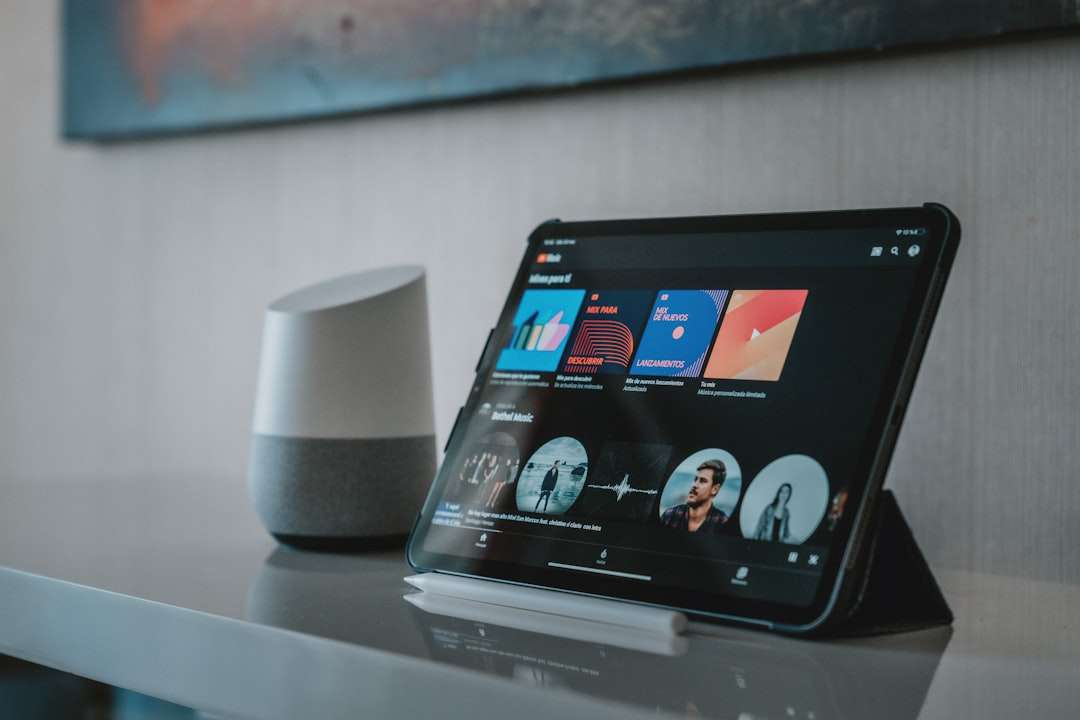
This model provides flexibility that was previously unattainable with traditional analog or even standard digital audio systems. It combines:
- Internet-connected hardware
- Cloud-hosted management platforms
- Real-time data transmission
- Remote access and control capabilities
The result is a more responsive and adaptable infrastructure suitable for modern communication and entertainment needs.
Core Features of Cloud Connected Audio
Cloud connected audio systems are defined by a set of powerful features that distinguish them from conventional setups.
1. Remote Management and Control
Administrators can control volume levels, update firmware, adjust equalizer settings, and troubleshoot issues from virtually anywhere. This is particularly valuable for businesses operating across multiple locations.
2. Real-Time Monitoring and Analytics
Advanced systems provide detailed performance analytics, including:
- Device status monitoring
- Usage metrics
- Network performance tracking
- User engagement data (in commercial environments)
This data enables proactive maintenance and data-driven decision-making.
3. Centralized Content Distribution
Audio content—such as music playlists, announcements, podcasts, or alerts—can be distributed simultaneously across multiple sites. Updates happen instantly without requiring manual uploads at each location.
4. Scalability
Cloud infrastructure allows systems to grow seamlessly. Adding new devices does not require complex rewiring or on-premise server upgrades. Instead, new devices are provisioned and managed within the existing cloud interface.
5. Automatic Updates and Enhancements
Firmware and software updates can be pushed remotely, ensuring devices remain secure and up to date without physical access.
6. Integration with Other Systems
Cloud connected audio platforms often integrate with:
- Video conferencing systems
- Security systems
- IoT devices
- Building management systems
- Voice assistants
This interoperability enhances efficiency and automation across environments.
Key Benefits of Cloud Connected Audio
Improved Operational Efficiency
By centralizing control, organizations reduce the need for on-site technical teams. IT personnel can manage systems across regions from a single console, lowering operational costs and minimizing downtime.
Greater Flexibility
Cloud-based systems adapt quickly to changing requirements. Whether scaling up for expansion or adjusting audio zones, administrators can make modifications without hardware overhauls.
Enhanced Reliability
Many cloud platforms use redundancy and distributed infrastructure. If a server experiences issues, backup systems often prevent disruptions in audio service.
Cost Optimization
While initial deployment may require investment in compatible hardware, long-term costs are often lower due to:
- Reduced maintenance visits
- Lower infrastructure complexity
- Subscription-based pricing models
- Automatic updates that extend device lifespan
Consistent User Experience
Multi-location businesses benefit from synchronized sound quality, branding consistency, and unified messaging. This ensures customers receive a cohesive experience regardless of location.
Common Use Cases
Cloud connected audio is versatile and applicable across numerous industries.
1. Retail and Hospitality
Retail chains and hotels often rely on synchronized background music and announcements. With cloud connected audio:
- Corporate teams manage playlists across stores
- Promotional announcements update instantly
- Seasonal campaigns roll out without local intervention

2. Corporate Offices
Modern offices integrate cloud-based audio into conference rooms, open spaces, and collaboration hubs. Benefits include:
- Seamless video conferencing integration
- Centralized meeting room management
- Real-time device diagnostics
3. Education
Universities and schools deploy interconnected PA systems for announcements and emergency communications. Cloud connectivity allows administrators to broadcast instantly across campuses.
4. Healthcare Facilities
Hospitals use cloud audio infrastructure for paging systems, patient communication, and background sound management. Reliability and remote troubleshooting are especially critical in healthcare settings.
5. Smart Homes
Consumers benefit from multi-room audio streaming and integration with smart home ecosystems. Users can control speakers through mobile apps and voice commands.
6. Public Spaces and Transportation Hubs
Airports, train stations, and stadiums depend on large-scale synchronized announcements. Cloud management ensures accurate timing, coordinated alerts, and simplified oversight.
Image not found in postmetaCloud Connected Audio vs. Traditional Audio Systems
To better understand its value, consider a direct comparison:
| Feature | Traditional Audio | Cloud Connected Audio |
|---|---|---|
| System Management | On-site manual control | Remote centralized dashboard |
| Scalability | Limited, hardware-dependent | Highly scalable via cloud platform |
| Maintenance | Physical service required | Remote diagnostics and updates |
| Content Distribution | Manual per location | Instant multi-site deployment |
| Data Analytics | Minimal or none | Detailed real-time insights |
This comparison highlights the operational and strategic advantages of cloud-enabled systems.
Security Considerations
As with any internet-connected system, security is a priority. Reliable cloud connected audio solutions typically include:
- End-to-end encryption
- Secure authentication protocols
- Role-based access controls
- Regular firmware security patches
- Secure cloud hosting environments
Organizations should carefully evaluate vendors to ensure compliance with relevant data protection regulations and cybersecurity standards.
Challenges and Limitations
While promising, cloud connected audio is not without challenges:
- Dependence on Internet Connectivity: Systems require stable network connections for optimal performance.
- Initial Integration Complexity: Migrating from legacy systems may require careful planning.
- Subscription Costs: Ongoing platform fees should be factored into budgeting.
- Data Privacy Management: Proper governance is essential when usage analytics are involved.
Despite these considerations, most organizations find that long-term benefits outweigh the drawbacks.
The Future of Cloud Connected Audio
The future of audio infrastructure is closely tied to broader digital transformation trends. As artificial intelligence, machine learning, and advanced analytics become more integrated with cloud platforms, audio systems are expected to become increasingly intelligent.
Potential developments include:
- Adaptive sound environments based on occupancy data
- AI-driven sound optimization
- Deeper IoT integration
- Predictive maintenance powered by analytics
In enterprise environments, cloud audio platforms may evolve into comprehensive communication hubs, merging voice, announcements, streaming, and real-time data into unified ecosystems.
Conclusion
Cloud connected audio represents a significant advancement in how audio systems are deployed and managed. By combining internet connectivity with centralized cloud platforms, organizations gain flexibility, scalability, operational efficiency, and real-time insight.
Whether in retail, healthcare, education, corporate settings, or residential environments, the benefits are clear: simplified management, consistent performance, and the ability to adapt quickly to change. As connectivity standards improve and cloud technologies advance, cloud connected audio is poised to become the default choice for modern audio infrastructure.
For decision-makers evaluating future-ready solutions, cloud connected audio is not simply an upgrade—it is a strategic investment in smarter, more resilient communication systems.