

Table of Contents
As organizations accelerate their adoption of artificial intelligence, scaling AI systems from prototype to production has become a critical challenge. Building a model is no longer the hardest part—operationalizing, monitoring, and continuously improving it across environments is where complexity multiplies. AI workflow automation platforms have emerged to solve this problem, enabling teams to orchestrate data pipelines, manage models, and automate deployment at scale.
TLDR: Scaling AI systems requires more than good models—it demands robust workflow automation. Platforms like Kubeflow, MLflow, Apache Airflow, DataRobot, Azure Machine Learning, and H2O.ai provide orchestration, monitoring, and deployment capabilities tailored for production AI. These tools help teams automate pipelines, manage experiments, and ensure governance. Choosing the right platform depends on infrastructure preferences, scalability needs, and team expertise.
Below are six leading AI workflow automation platforms that help organizations scale AI systems efficiently and reliably.
1. Kubeflow
Kubeflow is an open-source machine learning toolkit designed specifically for Kubernetes environments. It enables organizations to deploy, orchestrate, and manage ML workflows in containerized environments.

Key capabilities include:
- End-to-end ML pipeline orchestration
- Distributed model training
- Hyperparameter tuning automation
- Scalable model serving
Its tight integration with Kubernetes makes Kubeflow an ideal solution for enterprises already leveraging containerized infrastructure. Teams can automate retraining cycles, run parallel experiments, and deploy models with minimal manual intervention.
Best for: Engineering-driven teams seeking full control over scalable, cloud-native ML operations.
2. MLflow
MLflow is a popular open-source platform that focuses on managing the machine learning lifecycle. It excels in experiment tracking, model versioning, and reproducibility—key pillars when scaling AI systems.
Core features include:
- Experiment tracking and metrics logging
- Model packaging and reproducibility
- Centralized model registry
- Multi-framework support
MLflow integrates seamlessly with many popular ML libraries, allowing data scientists to log runs and compare results automatically. When paired with orchestration tools, it becomes a powerful asset for maintaining governance and compliance across production environments.
Best for: Organizations that need strong experiment management and model tracking across teams.
3. Apache Airflow
Apache Airflow is a highly flexible workflow orchestration platform widely used for automating data pipelines. While not exclusively built for AI, its programmability and scheduling capabilities make it an excellent foundation for AI workflow automation.
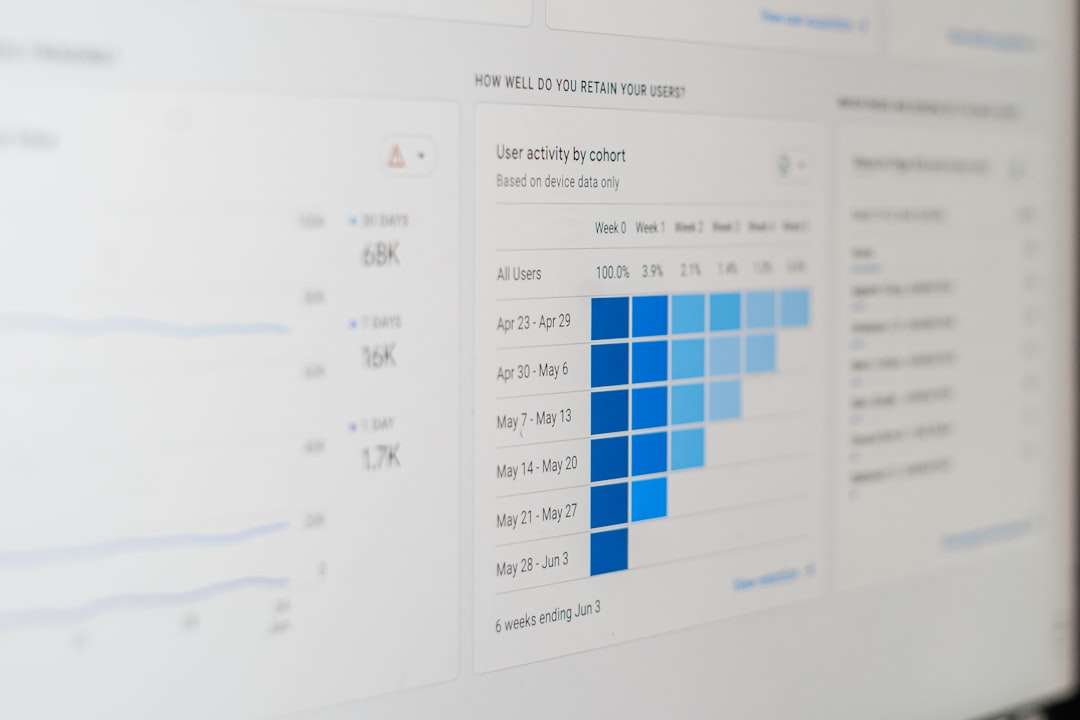
Strengths include:
- Directed acyclic graph (DAG)-based workflow design
- Customizable automation scripts
- Strong community and plugin ecosystem
- Scalable scheduling for large data workloads
Airflow allows teams to automate everything from data ingestion to model retraining and performance monitoring. Its flexibility makes it particularly attractive for companies with complex, multi-step data engineering requirements.
Best for: Data engineering teams building sophisticated, scheduled pipelines for AI systems.
4. DataRobot
DataRobot is a commercial AI automation platform that combines AutoML with workflow automation capabilities. It accelerates model development while offering governance, monitoring, and deployment tools.
Standout features include:
- Automated feature engineering
- Model performance monitoring
- Model deployment automation
- Built-in compliance controls
DataRobot is especially valuable for enterprises that want powerful AI capabilities without building extensive infrastructure from scratch. Its automated workflows help reduce manual configuration, enabling quicker transitions from proof-of-concept to production.
Best for: Enterprises prioritizing speed, governance, and ease of use.
5. Azure Machine Learning
Azure Machine Learning is Microsoft’s cloud-based platform for building, training, and deploying machine learning models. It provides integrated workflow automation through pipelines, model registries, and DevOps integrations.
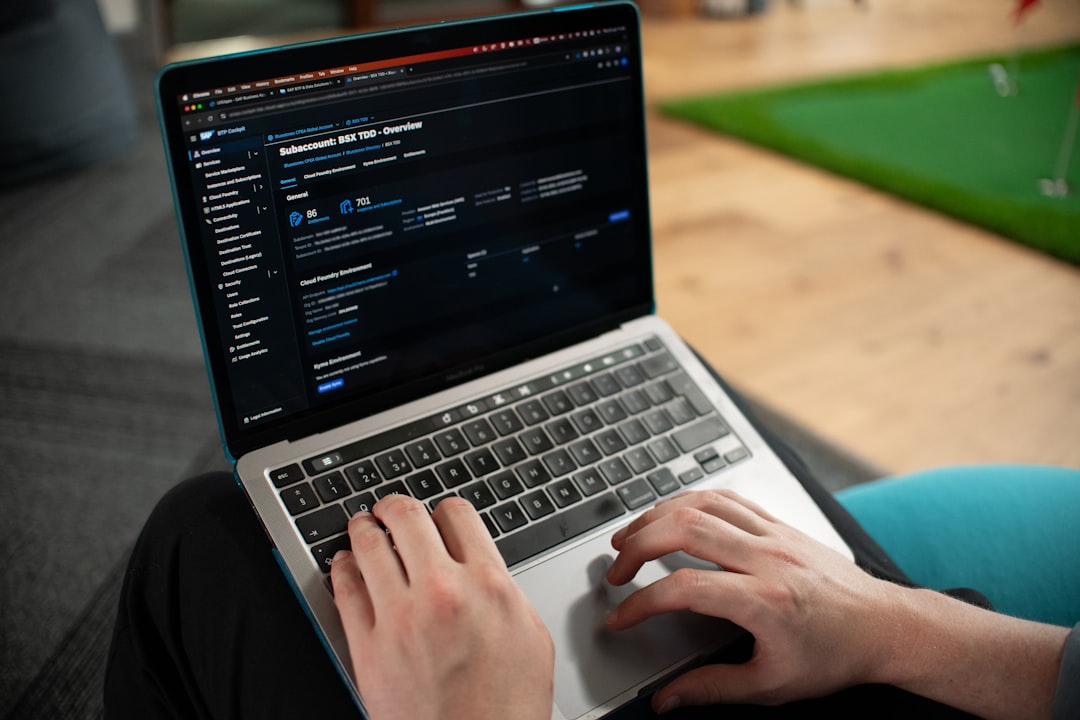
Key capabilities:
- Drag-and-drop pipeline designer
- MLOps integration with CI/CD pipelines
- Automated model retraining
- Scalable cloud deployment
The platform supports hybrid and multi-cloud scenarios, making it flexible for large organizations. Its integration with Azure services enhances scalability, monitoring, and security—key components for managing enterprise AI systems.
Best for: Enterprises invested in Microsoft’s cloud ecosystem.
6. H2O.ai
H2O.ai provides automated machine learning and AI workflow automation tools aimed at both data scientists and business users. Its platforms include model training, interpretability features, and deployment management.
Primary benefits:
- AutoML capabilities
- Explainable AI tools
- Scalable model deployment
- User-friendly interface
H2O.ai excels in democratizing AI workflows while maintaining scalability. Organizations benefit from fast experimentation cycles and accessible interfaces, reducing bottlenecks between technical and non-technical stakeholders.
Best for: Organizations balancing technical sophistication with accessibility.
Comparison Chart
| Platform | Type | Best For | Open Source | Cloud Native |
|---|---|---|---|---|
| Kubeflow | ML Orchestration | Kubernetes-based scaling | Yes | Yes |
| MLflow | Lifecycle Management | Experiment tracking | Yes | Partial |
| Apache Airflow | Workflow Scheduler | Data pipeline automation | Yes | Partial |
| DataRobot | AutoML Platform | Enterprise AI automation | No | Yes |
| Azure Machine Learning | Cloud AI Platform | Enterprise cloud deployment | No | Yes |
| H2O.ai | AutoML Platform | Accessible model scaling | Partial | Yes |
How to Choose the Right AI Workflow Automation Platform
When selecting a platform, organizations should evaluate:
- Infrastructure compatibility: Does it align with existing cloud or container systems?
- Scalability: Can it handle growth in datasets, users, and models?
- Governance: Are monitoring and compliance tools built-in?
- Ease of use: Will both engineers and stakeholders adopt it?
- Integration: Does it work with current DevOps and data stacks?
The right solution often depends on whether the organization values flexibility and control (favoring open-source tools) or simplicity and managed services (favoring commercial platforms).
Conclusion
Scaling AI systems involves more than deploying powerful algorithms. It requires orchestrated workflows, automated retraining, continuous monitoring, and structured governance. AI workflow automation platforms provide the backbone for these operations, ensuring that models deliver consistent business value long after initial deployment.
Whether leveraging open-source flexibility with Kubeflow and MLflow, data orchestration power with Apache Airflow, or enterprise-scale platforms such as DataRobot, Azure Machine Learning, or H2O.ai, organizations can dramatically accelerate their AI maturity. The future of AI belongs not just to those who build intelligent systems—but to those who can scale them reliably.
Frequently Asked Questions (FAQ)
1. What is AI workflow automation?
AI workflow automation refers to the use of platforms and tools that automate data pipelines, model training, deployment, monitoring, and retraining processes to ensure scalable and reliable AI systems.
2. Why is workflow automation important for scaling AI?
Manual processes do not scale efficiently. Automation ensures consistent retraining, monitoring, and deployment, reducing downtime and improving operational reliability.
3. Are open-source AI workflow tools sufficient for enterprises?
Open-source tools like Kubeflow and MLflow can be highly effective but may require more engineering expertise. Enterprises with strong DevOps teams often benefit greatly from them.
4. How does MLOps relate to AI workflow automation?
MLOps combines machine learning, DevOps, and data engineering practices. AI workflow automation platforms are central to implementing effective MLOps strategies.
5. Which platform is best for small teams?
Platforms with built-in automation and user-friendly interfaces, such as H2O.ai or managed cloud services like Azure Machine Learning, may be more accessible for smaller teams with limited infrastructure support.