

Table of Contents
In the last few years, artificial intelligence has evolved from handling single tasks—like writing text or recognizing images—to seamlessly blending multiple forms of media at once. This shift has given rise to multimodal AI software: tools that can understand, generate, and connect text, images, and audio in one unified workflow. Whether you’re a marketer, educator, content creator, or entrepreneur, these platforms have opened creative possibilities that were nearly impossible just a short time ago.
TLDR: Multimodal AI software combines text, image, and audio capabilities into a single platform, enabling faster and more dynamic content creation. These tools can generate images from text, turn scripts into voiceovers, analyze visual data, and even synchronize media formats in real time. They are transforming industries such as marketing, education, entertainment, and customer support. Choosing the right tool depends on your workflow needs, collaboration features, and integration options.
What Is Multimodal AI Software?
Multimodal AI refers to systems that can process and generate multiple types of data—called “modalities”—including:
- Text (articles, captions, scripts, summaries)
- Images (photos, illustrations, diagrams)
- Audio (voiceovers, music, speech recognition)
- In some cases, even video
Traditional AI tools focused on a single medium. For example, one tool might generate blog posts, while another creates digital art, and a third converts text to speech. Multimodal AI platforms combine these capabilities into one cohesive system, allowing users to move fluidly between formats without switching tools.
The result? Faster production cycles, richer storytelling, and more immersive user experiences.
How Multimodal AI Works
At its core, multimodal AI relies on large machine learning models trained on diverse datasets that include text, images, and audio simultaneously. By learning patterns across formats, these systems can:
- Generate images from written descriptions
- Describe images in natural language
- Convert written scripts into realistic voiceovers
- Transcribe and summarize spoken conversations
- Match visual elements to audio timing
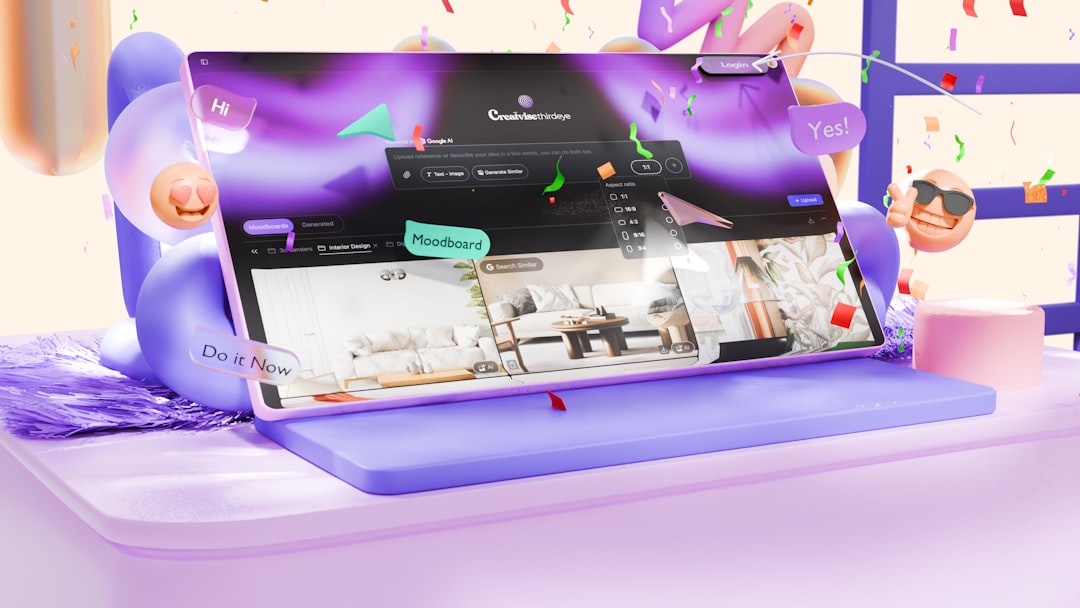
For example, you might upload a product photo and ask the system to write a marketing description. Then, with one additional prompt, generate a voiceover reading that description, complete with background music. This interconnected workflow dramatically reduces manual effort.
Key Features to Look For
Not all multimodal AI platforms are created equal. When evaluating options, consider these core features:
1. Cross-Modal Generation
Does the software allow seamless creation across formats? For instance:
- Text-to-image
- Image-to-text
- Text-to-speech
- Speech-to-text
2. Editing and Refinement Tools
Generation is just the beginning. Strong platforms offer editing features such as:
- Image refinement and background removal
- Voice tone adjustment
- Script rewriting and summarization
3. Collaboration Capabilities
Team-based content creation benefits from shared workspaces, commenting systems, and version control.
4. Integration With Other Software
Look for APIs and plug-ins that connect with design tools, social media platforms, and CMS systems.
Popular Multimodal AI Tools
Below are some well-known platforms that integrate text, image, and audio capabilities to varying degrees.
| Tool | Text Generation | Image Creation | Audio Processing | Best For |
|---|---|---|---|---|
| ChatGPT | Advanced writing and editing | Image generation and analysis | Speech input and output | All-in-one creative workflows |
| Runway | Script support | Image and video generation | Audio syncing tools | Creators and filmmakers |
| Canva AI | Copywriting tools | Design and image generation | Basic voice features | Marketing teams |
| Descript | Text-based audio editing | Limited graphics | Advanced voice editing | Podcasters and educators |
Each tool has strengths depending on your goals. Some emphasize video and audio editing, while others focus on integrated creative production.
Use Cases Across Industries
Marketing and Advertising
Marketing teams can now generate entire campaigns from a single concept. Imagine this workflow:
- Write a campaign brief.
- Generate promotional images.
- Create voiceover ads.
- Repurpose content into social media posts.
This drastically shortens timelines and reduces reliance on multiple vendors.
Education and E-Learning
Educators use multimodal AI to:
- Transform lesson notes into narrated presentations
- Create diagrams from written explanations
- Summarize lecture recordings
- Develop interactive study materials
This approach enhances retention by engaging multiple senses—reading, seeing, and hearing.
Content Creation and Media
YouTubers, podcasters, and bloggers benefit immensely from multimodal workflows. A creator can:
- Draft a script with AI
- Generate thumbnail images
- Create AI voice narration
- Repurpose content into blog posts
This reduces production barriers and enables smaller teams to produce studio-quality material.
Customer Support
Some businesses integrate multimodal AI into customer service systems, allowing chatbots to:
- Interpret customer-uploaded images
- Provide spoken responses
- Summarize call transcripts automatically
This improves both efficiency and personalization.
Advantages of Combining Text, Image, and Audio
Why does combining multiple modalities matter? Because human communication is naturally multimodal. We read, watch, and listen simultaneously.
The primary advantages include:
- Consistency: Unified tone and style across media formats.
- Speed: Fewer manual conversions between tools.
- Cost Savings: Reduced need for specialized contractors.
- Accessibility: Built-in voice and visual alternatives for different audiences.
- Creative Expansion: Easier experimentation with new formats.

Challenges and Limitations
Despite its advantages, multimodal AI is not without challenges:
- Quality Variation: Outputs may require manual editing.
- File Size and Processing: Handling multiple formats demands computing power.
- Ethical Concerns: Voice cloning and realistic image generation raise misuse risks.
- Learning Curve: Advanced features can take time to master.
Responsible use involves fact-checking outputs, respecting intellectual property, and maintaining transparency when AI is involved in content creation.
Future Trends in Multimodal AI
The next generation of multimodal tools is expected to focus on real-time interaction and deeper contextual understanding. Emerging developments may include:
- Live co-creation during video calls
- Instant translation across speech and text
- Emotion-aware voice synthesis
- Fully synchronized text, image, audio, and video generation
We may soon see AI systems that can turn a simple verbal idea into a complete multimedia presentation—slides, visuals, narration, and background music—within minutes.
How to Get Started
If you’re considering integrating multimodal AI into your workflow, start with these steps:
- Identify Your Main Goal: Marketing, education, or creative projects?
- Test a Few Platforms: Compare generation quality and speed.
- Experiment With Cross-Modal Prompts: Turn a blog post into an image series with audio narration.
- Build Templates: Streamline repeatable processes.
- Measure Results: Track time saved and engagement improvements.
Adoption doesn’t require a complete overhaul of your workflow. Start small—perhaps by adding AI-generated voiceovers to existing written content.
The Bigger Picture
Multimodal AI software represents more than just a convenience; it signals a transformation in how humans collaborate with machines. By bridging text, image, and audio into unified systems, these tools reflect the way we naturally communicate—through layered, sensory-rich experiences.
As these technologies mature, the line between “tool” and “creative partner” will blur even further. For professionals and hobbyists alike, multimodal AI isn’t just about efficiency. It’s about unlocking new forms of expression, expanding creative reach, and reshaping digital storytelling for the future.
In a world where attention spans are fragmented across media types, the ability to combine words, visuals, and sound seamlessly may become not just an advantage—but a necessity.