
Table of Contents
Managing a car rental fleet today involves far more than tracking keys and paperwork. Modern rental businesses face increasing demands for real-time visibility, cost control, regulatory compliance, and customer satisfaction. To stay competitive, operators must rely on advanced management tools that provide data-driven insights and operational control across every vehicle in the fleet.
TLDR: Effective fleet tracking is essential for modern car rental businesses seeking efficiency and profitability. The best management tools combine GPS tracking, maintenance alerts, telematics, reporting dashboards, and cloud-based accessibility. By using the right software, rental companies can reduce downtime, prevent theft, control fuel costs, and improve customer service. The six tools outlined below represent critical solutions for managing a vehicle fleet responsibly and professionally.
Below are six car rental management tools that are widely recognized for strengthening fleet tracking operations and ensuring business continuity.
1. GPS Fleet Tracking Systems
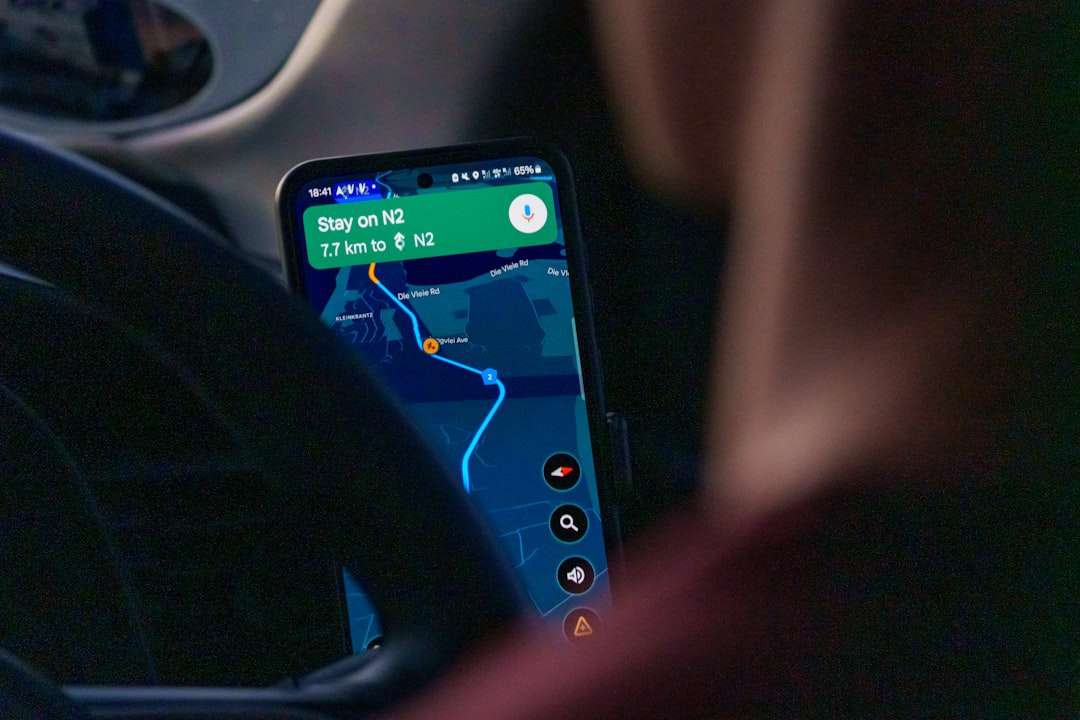
GPS fleet tracking systems are the foundation of modern vehicle management. These platforms provide real-time location data for every vehicle in the fleet, allowing managers to know exactly where assets are located at any moment.
In the car rental industry, this visibility reduces risks associated with unauthorized use, theft, and vehicle misplacement. It also enables faster recovery in cases of overdue returns or suspicious movement.
Key features typically include:
- Live vehicle tracking on digital maps
- Geofencing alerts for restricted or predefined areas
- Speed and route monitoring
- Automated mileage recording
- Trip history playback
Geofencing is particularly valuable for rental companies. For example, managers can set limits on geographic travel zones and receive instant alerts if a vehicle crosses a border or enters unauthorized regions.
Additionally, GPS tracking improves customer service. If a renter claims to have returned a vehicle, staff can confirm its precise location within seconds. This transparency reduces disputes and strengthens trust between operators and customers.
2. Telematics and Driver Behavior Monitoring
Telematics solutions go beyond location tracking. They collect data directly from the vehicle’s onboard diagnostics system, providing detailed insights into performance and driving behavior.
This technology helps rental companies minimize wear and tear while improving safety compliance.
Telematics systems monitor:
- Harsh braking and rapid acceleration
- Engine idling time
- Fuel consumption patterns
- Vehicle diagnostics and fault codes
- Accident detection alerts
Excessive idling, for instance, significantly increases fuel costs and engine wear. By analyzing usage data, rental agencies can identify patterns and adjust policies accordingly.
Moreover, telematics can assist in liability investigations. In case of an accident, detailed data logs provide objective records of speed, braking, and vehicle conditions. This protects the company from fraudulent claims and reduces insurance complexities.
3. Preventive Maintenance Management Software
Unscheduled vehicle breakdowns result in revenue loss, customer dissatisfaction, and brand damage. Preventive maintenance software addresses this risk by automating service scheduling and tracking vehicle health indicators.
Image not found in postmetaCore capabilities often include:
- Automated service reminders based on mileage or time intervals
- Maintenance history logs
- Integration with telematics diagnostics
- Parts inventory management
- Repair cost tracking
By ensuring that oil changes, tire rotations, and inspections occur on schedule, rental operators extend vehicle lifespan and protect resale value. Preventive maintenance reduces emergency repairs, which are typically more costly and disruptive.
From a compliance perspective, detailed service histories are also essential. In the event of a legal claim, maintenance documentation demonstrates that the company fulfilled its duty of care.
4. Fleet Management Dashboards and Reporting Tools
Data alone is not sufficient. Fleet managers require clear, actionable insights to make informed decisions. Reporting dashboards centralize operational information into visual summaries, charts, and key performance indicators.
Effective dashboards track metrics such as:
- Fleet utilization rates
- Revenue per vehicle
- Downtime percentages
- Fuel expenditures
- Maintenance costs per unit
- Return and turnaround times
With this information readily available, managers can identify underperforming vehicles, adjust pricing strategies, and optimize fleet allocation. For example, if certain models show lower utilization, they may be rotated out or marketed differently.
Strategic decision-making becomes significantly easier when insights are presented in real time. Rather than reacting to problems weeks later, operators can respond immediately to sudden cost increases or performance declines.
5. Cloud-Based Rental Management Platforms
Modern car rental businesses often operate across multiple branches or geographic regions. Cloud-based management platforms provide centralized access to fleet information regardless of location.
Image not found in postmetaThese systems typically integrate:
- Vehicle reservations and booking management
- Contract generation and digital signatures
- Payment processing
- Customer records
- Fleet tracking integration
The greatest advantage of cloud platforms is accessibility. Managers can log into a secure dashboard from any authorized device to monitor fleet activities. This is especially critical for companies operating 24/7 or across different time zones.
Cloud-based tools also enhance security. Data backups, encryption standards, and multi-user authentication protocols ensure that sensitive information remains protected.
Furthermore, integration is key. When booking software communicates directly with fleet tracking tools, vehicle availability updates automatically. This reduces scheduling errors and prevents double bookings.
6. Fuel Management and Cost Control Tools
Fuel expenses are one of the largest ongoing costs in any vehicle fleet operation. Monitoring and controlling these costs directly impacts profitability.
Fuel management systems provide:
- Fuel card integration
- Purchase tracking by vehicle
- Exception alerts for abnormal spending
- Consumption trend analysis
- Tax reporting support
By linking fuel purchases to telematics data, rental companies can detect discrepancies. For example, if a fuel transaction occurs in a location inconsistent with a vehicle’s GPS data, it may indicate misuse.
Cost transparency promotes accountability at every operational level. It also allows management to detect inefficient driving behaviors contributing to excessive fuel use.
Over time, this data can inform decisions about transitioning to hybrid or electric vehicles, particularly when fuel expenses outweigh anticipated savings.
Key Benefits of Implementing Comprehensive Fleet Tracking Tools
When these six tools are implemented together, the combined impact extends well beyond operational awareness.
Major benefits include:
- Reduced vehicle downtime
- Lower operational and maintenance costs
- Improved regulatory compliance
- Enhanced customer trust
- Greater asset security
- Higher overall return on investment
For rental businesses managing dozens, hundreds, or even thousands of vehicles, efficiency gains compound rapidly. Even small reductions in fuel waste, delayed returns, or maintenance errors can translate into significant annual savings.
Additionally, transparency builds credibility. When clients recognize that vehicles are monitored for safety, maintained regularly, and documented accurately, confidence in the company increases.
Choosing the Right Combination of Tools
Not every rental company requires identical solutions. Smaller operators may prioritize cloud-based booking systems and basic GPS tracking, while large enterprise fleets often demand advanced telematics, predictive maintenance, and enterprise-level reporting.
When selecting fleet management tools, businesses should evaluate:
- Scalability for future growth
- System integration capabilities
- User interface simplicity
- Data security standards
- Total cost of ownership
- Customer support reliability
A phased implementation approach is often advisable. Introducing tools gradually allows staff to adapt while minimizing operational disruption.
Final Considerations
Fleet tracking is no longer optional in the modern car rental industry. It is a strategic necessity that safeguards assets, drives profitability, and enhances operational control. By leveraging GPS tracking, telematics, preventive maintenance systems, reporting dashboards, cloud platforms, and fuel management tools, rental companies create a comprehensive oversight framework.
Serious fleet management requires serious technology. Businesses that invest in integrated tracking systems not only reduce risk but also position themselves for sustainable growth in a competitive market. As data becomes increasingly central to operational success, those equipped with reliable management tools will maintain the advantage.