Table of Contents
For Nintendo Switch homebrew enthusiasts, adding mGBA directly to the Home screen creates a smoother and more console-like experience when playing Game Boy Advance titles. Instead of opening the Homebrew Menu every time, users can launch the emulator like any other installed game. While the process requires custom firmware and a few additional tools, it is straightforward when broken into clear steps.
TLDR: To add mGBA to the Switch Home screen, the console must be running custom firmware such as Atmosphere. After installing mGBA through the Homebrew Menu, users can create a forwarder NSP or use a homebrew forwarder generator to place a launch icon directly on the Home screen. This involves placing mGBA files in the correct directory and installing the forwarder with a title installer like Goldleaf or DBI. Once complete, mGBA launches just like a standard game.
Understanding the Basics
Before attempting to add mGBA to the Switch Home screen, it is important to understand how homebrew works on the Nintendo Switch. The Switch does not natively support third-party applications. To run homebrew applications like mGBA, users must install custom firmware (CFW) on their console.
The most common CFW setup includes:
- Atmosphere (custom firmware)
- Hekate (bootloader, optional but common)
- Homebrew Menu (hbmenu)
- Signature patches (to allow custom NSP installations)
Once Atmosphere is running properly, users can access the Homebrew Menu and launch mGBA from there. However, the goal of this guide is to bypass the Homebrew Menu step and launch mGBA directly from the Home screen.
What Is mGBA?
mGBA is a highly accurate and fast Game Boy Advance emulator. It supports:
- Game Boy Advance ROMs
- Game Boy and Game Boy Color compatibility
- Save states
- Controller configuration
- Cheats and patches
On Switch, mGBA runs extremely well under Atmosphere, offering full-speed emulation for most GBA games.
Methods to Add mGBA to the Home Screen
There are two primary ways to add mGBA to the Switch Home screen:
- Using a Forwarder NSP (recommended)
- Using a Homebrew Forwarder Generator
Both methods result in a clickable icon appearing on the Home screen that launches mGBA directly.
Method 1: Installing a Pre-Made Forwarder NSP
Step 1: Install mGBA on Your SD Card
First, download the latest Switch version of mGBA and extract it to:
SD:/switch/mgba/
Ensure the .nro file is properly placed inside the folder. This is the file the forwarder will use to launch the app.
Step 2: Obtain a Compatible Forwarder
A forwarder NSP acts as a shortcut installed to the Switch system. It does not contain the emulator itself — it simply points to the mGBA .nro file.
Make sure the forwarder:
- Matches your Atmosphere setup
- Is built for modern firmware versions
- Uses proper title IDs
Step 3: Install the Forwarder
You will need a title installer such as:
- Goldleaf
- DBI
- Awoo Installer
Open your installer from the Homebrew Menu and install the forwarder NSP.
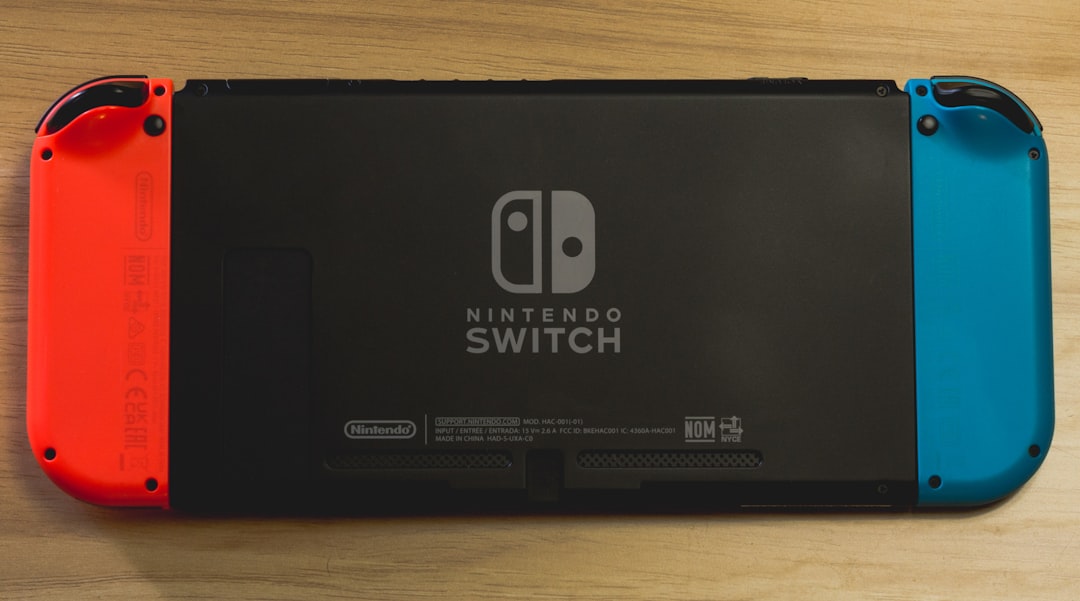
After installation:
- Return to the Home screen
- You should see an mGBA icon
- Launch it like a normal game
If signature patches are installed correctly, the app will open without errors.
Method 2: Creating a Custom mGBA Forwarder
This method provides more flexibility and allows customizing:
- Icon artwork
- Game title name
- Version number
Step 1: Use a Forwarder Generator Tool
Forwarder generator homebrew apps let users create an NSP directly from an .nro file. These tools scan your SD card and build a forwarder automatically.
Step 2: Select the mGBA .nro
Navigate to:
SD:/switch/mgba/mgba.nro
Customize the icon if desired.
Step 3: Build and Install
The tool will generate an NSP file, which can then be installed using DBI or another installer.
Image not found in postmetaThis approach is ideal for users who want a consistent aesthetic on the Home screen.
Tool Comparison Chart
| Tool | Purpose | Ease of Use | Customization | Recommended For |
|---|---|---|---|---|
| Atmosphere | Custom firmware | Intermediate | Low | All homebrew users |
| Goldleaf | NSP installer | Easy | None | Quick forwarder installs |
| DBI | Advanced installer | Easy to Intermediate | None | Reliable NSP management |
| Forwarder Generator | Creates custom forwarders | Intermediate | High | Users wanting custom icons |
Troubleshooting Common Issues
Black Screen on Launch
This usually indicates:
- Incorrect file path to mgba.nro
- Missing signature patches
- Outdated forwarder
Double-check the SD card location and ensure patches match your firmware version.
“Corrupted Data” Error
This typically means signature patches are missing or incompatible. Update Atmosphere and install updated signature patches.
mGBA Crashes Immediately
Ensure:
- You are using the latest mGBA build
- Your ROMs are valid and not corrupted
- Your SD card is formatted correctly (FAT32 recommended)
Benefits of Adding mGBA to the Home Screen
While accessing mGBA through the Homebrew Menu works fine, adding it directly to the Home screen provides:
- Faster access
- A cleaner user experience
- Better integration with the Switch UI
- Parental control compatibility (depending on setup)
For users frequently playing GBA games, this small adjustment significantly improves convenience.
Best Practices for Stability
- Keep Atmosphere updated
- Always use compatible signature patches
- Back up your NAND before modifications
- Use FAT32 instead of exFAT to prevent corruption
- Organize ROMs in clearly labeled folders
Performing regular maintenance ensures mGBA launches reliably from the Home screen without issues.
Frequently Asked Questions (FAQ)
Is adding mGBA to the Home screen safe?
When done properly using compatible custom firmware and tools, it is generally safe. However, all homebrew modifications carry some risk. A NAND backup is strongly recommended.
Do users need signature patches?
Yes. Installing forwarder NSP files requires signature patches. Without them, the system will flag the title as corrupted or refuse to launch it.
Can this be done on a stock Nintendo Switch?
No. The console must support and run custom firmware such as Atmosphere.
Will this work after a system update?
It may stop working until Atmosphere and signature patches are updated. Homebrew users typically wait before installing official firmware updates.
Does the forwarder contain mGBA itself?
No. A forwarder only redirects the system to the mGBA .nro file stored on the SD card.
Can multiple homebrew apps be added this way?
Yes. Any properly configured .nro application can be converted into a forwarder and added to the Home screen.
Is one installer better than another?
DBI is widely considered more stable and feature-rich, while Goldleaf is straightforward and beginner-friendly.
What happens if the SD card is removed?
The forwarder will fail to launch because it depends on the mGBA .nro file stored on the SD card.
Final Thoughts
Adding mGBA to the Switch Home screen transforms the emulator from a homebrew utility into a seamlessly integrated part of the console’s interface. By using a forwarder NSP or generating a custom shortcut, users can launch their favorite Game Boy Advance titles directly from the main menu. With proper setup, updated firmware, and signature patches in place, the process is reliable and significantly enhances the overall experience of retro gaming on the Nintendo Switch.