
Table of Contents
Mobile connectivity is entering a new phase as eSIM adoption accelerates across smartphones, tablets, laptops, wearables, vehicles, and Internet of Things devices. Recent eSIM news points to a future where physical SIM cards become less central, mobile plans become easier to manage, and consumers gain more flexibility when switching carriers or traveling internationally.
TL;DR: Recent eSIM developments suggest that mobile connectivity will become more digital, flexible, and global. Consumers will likely see easier carrier switching, faster device setup, better travel options, and fewer physical SIM cards. Businesses and IoT providers may benefit from simpler device deployment at scale. However, the future will also depend on carrier cooperation, security standards, device compatibility, and consumer education.
The Shift From Physical SIM Cards to Digital Profiles
For decades, the physical SIM card acted as the key that connected a mobile device to a carrier network. It stored subscriber credentials, enabled billing, and allowed the device to authenticate with mobile infrastructure. The arrival of eSIM technology changes that model by embedding the SIM directly into the device and allowing the user to download a mobile profile digitally.
This change may seem small, but it has major implications. Instead of waiting for a plastic card, visiting a store, or using a SIM ejector tool, a user can often activate service by scanning a QR code, signing in through an app, or transferring a plan from an old device. In markets where eSIM support is expanding, connectivity is becoming more immediate and less dependent on physical distribution.
Recent eSIM news has made one point clear: mobile identity is becoming software driven. This has the potential to reshape not only smartphones, but also connected cars, smartwatches, industrial sensors, health devices, and global travel services.
Why Recent eSIM News Matters
Recent developments around eSIM have focused on broader device support, easier transfers between phones, expanded travel eSIM marketplaces, and updated standards for enterprise and IoT use. These changes matter because eSIM is no longer a niche feature reserved for premium devices. It is moving toward the mainstream.
Major smartphone manufacturers have continued to increase eSIM support, and some markets have seen phones sold without physical SIM trays. Carriers are also improving activation flows, while operating systems are making it easier to move an eSIM from one device to another. At the same time, global travel eSIM providers are gaining visibility by offering short-term data plans in dozens or even hundreds of destinations.
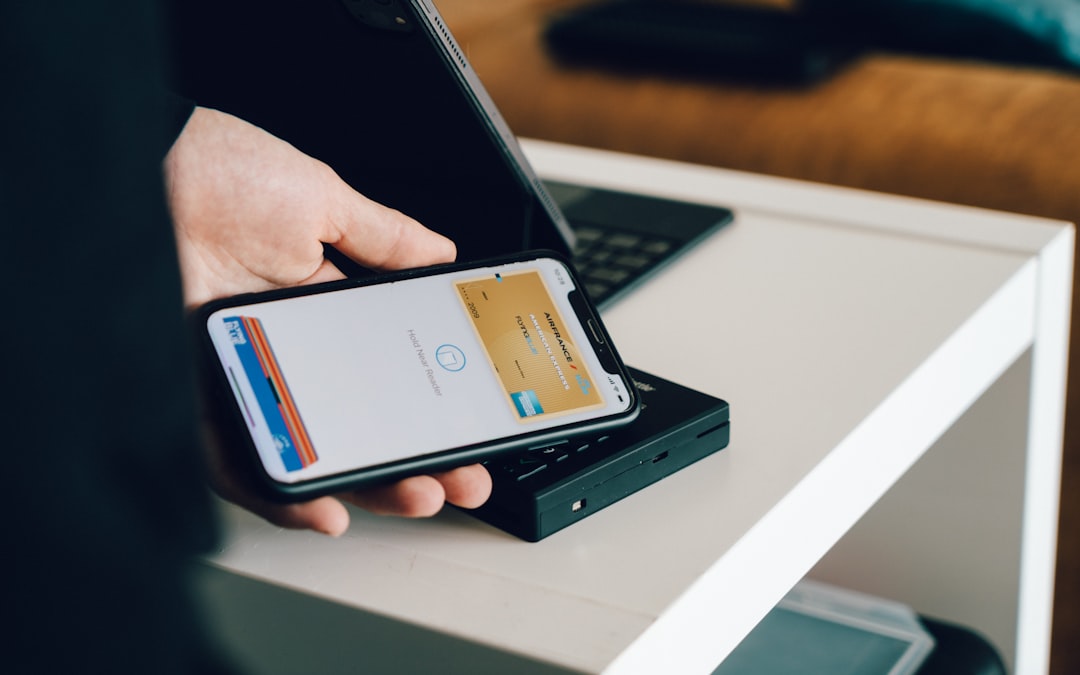
For consumers, this means mobile service may become more like downloading an app than buying a card. For carriers, it means customer onboarding can become faster, but competition may also increase because users can compare and switch plans more easily. For regulators, the shift raises new questions about consumer rights, interoperability, emergency access, and market fairness.
How eSIM Could Improve Everyday Mobile Connectivity
One of the biggest impacts of eSIM will likely be convenience. A person buying a new phone may be able to activate a mobile plan during setup, without needing to handle a SIM card. If that person changes carriers, the new plan could be installed remotely. If the phone is lost or damaged, the profile may be restored or transferred, depending on the carrier and platform.
Another major benefit is the ability to manage multiple profiles. A single device can often store more than one eSIM profile, although only a limited number may be active at the same time. This is useful for people who want separate personal and business lines, for frequent travelers, or for users who compare coverage between networks.
- Faster setup: New plans can be activated digitally.
- More flexibility: Users may store several carrier profiles on one device.
- Better travel options: Local or regional data plans can be downloaded before departure.
- Less plastic waste: Fewer physical SIM cards and packages need to be produced.
- Improved device design: Removing SIM trays may help with water resistance and internal space.
These improvements will not happen equally everywhere. In some regions, carriers already support smooth eSIM activation. In others, the process remains limited, confusing, or unavailable. The future impact of eSIM will depend heavily on whether carriers make the experience simple and reliable.
Travel Connectivity May Be One of the Biggest Winners
International travel has historically been one of the most frustrating areas of mobile connectivity. Travelers have often faced high roaming fees, slow service, limited data packages, or the inconvenience of buying a local SIM card after arrival. eSIM is changing this experience by allowing users to purchase and install a travel data plan before they leave home.
This trend has created a fast-growing market for travel eSIM services. A traveler can choose a country-specific, regional, or global data package, install it on a supported phone, and activate it when arriving at the destination. This can reduce dependence on airport kiosks, hotel Wi-Fi, and expensive roaming plans.
In the future, travel connectivity may become more transparent and competitive. Travelers will be able to compare prices, data limits, coverage areas, and expiration dates before choosing a plan. Carriers may respond by offering better roaming bundles or by partnering with eSIM platforms to keep customers within their ecosystem.
However, travel eSIMs also have limitations. Some are data-only and do not include a local phone number. Others may route traffic through distant networks, affecting latency. Customer support can vary widely. As the market grows, users will need clearer information about speed, coverage, refunds, and compatibility.
What eSIM Means for Carriers and Competition
For mobile network operators, eSIM creates both opportunities and challenges. On the opportunity side, digital activation can lower distribution costs and make it easier to acquire customers online. Carriers can offer instant trials, promotional plans, and remote upgrades. They can also support connected devices that would be difficult to serve with physical SIM cards.
On the challenge side, eSIM may reduce customer friction when switching providers. If changing networks becomes a quick digital process, carriers may need to compete more aggressively on price, coverage, speed, support, and bundled services. This could benefit consumers, but it may also pressure smaller operators that lack strong digital onboarding systems.
The carriers that adapt best will likely be those that treat eSIM as a customer experience upgrade, not merely a technical replacement for plastic SIMs. Simple activation, transparent instructions, reliable transfer tools, and responsive support will become important differentiators.
eSIM and the Future of IoT
Beyond smartphones, eSIM may have an even larger impact on the Internet of Things. Connected devices such as smart meters, fleet trackers, medical monitors, security systems, agricultural sensors, and industrial machines often need reliable connectivity across long lifecycles. Managing physical SIM cards across thousands or millions of devices can be expensive and inefficient.
Newer eSIM standards are designed to make remote provisioning easier for IoT deployments. This means a business could manufacture devices with embedded connectivity hardware and later assign or change network profiles remotely. If a device is deployed in another country, or if a carrier contract changes, the business may not need to physically replace SIM cards.

This flexibility could accelerate smart city infrastructure, logistics tracking, connected healthcare, and industrial automation. A shipping company, for example, could maintain connectivity across borders by switching between network profiles. A utility provider could deploy smart meters at scale without sending technicians to change SIM cards in the field.
The result may be a more connected world, where devices can join networks faster and remain connected longer. Still, IoT eSIM adoption will require strong security, long-term support, and careful management of device identities.
Security and Privacy Implications
eSIM technology can improve security in several ways. Because there is no removable card, thieves cannot simply take out a SIM and place it into another device. Remote provisioning can also support secure authentication and controlled profile management. In addition, losing a physical SIM card becomes less of a concern.
However, eSIM also introduces new risks. Account takeover attempts may shift toward carrier support channels, mobile apps, and identity verification systems. If criminals can convince a carrier to transfer an eSIM profile fraudulently, they may intercept calls, text messages, or authentication codes. This makes strong verification essential.
Future mobile connectivity will need better safeguards, including:
- Stronger identity checks before eSIM transfers.
- Clear user notifications when a profile is moved or changed.
- Secure recovery processes for lost or stolen devices.
- Better protection against SIM swap fraud across carrier systems.
As more financial, workplace, and identity services rely on mobile numbers, the security of eSIM management will become increasingly important.
Challenges That Could Slow Adoption
Despite its promise, eSIM adoption still faces barriers. Not all devices support eSIM, and not all carriers offer it for every plan. Some prepaid services, smaller operators, and regional providers may still rely heavily on physical SIM distribution. Consumers may also be unfamiliar with how eSIM works, especially when transferring service or troubleshooting connectivity issues.
Another challenge is platform fragmentation. Different phones and operating systems may handle eSIM installation, backup, and transfer differently. A process that is simple on one device may be confusing on another. For eSIM to become truly universal, the experience must become consistent and easy to understand.
There are also concerns about consumer choice. If devices remove physical SIM slots entirely, users in regions with limited eSIM support may face difficulties. Regulators and consumer protection groups may watch closely to ensure that eSIM-only devices do not restrict competition or disadvantage certain users.
The Likely Future of Mobile Connectivity
The future of mobile connectivity will probably be hybrid for some time. Physical SIM cards will continue to exist in many markets, especially where eSIM support is limited. However, the direction is clear: more devices will support eSIM, more carriers will improve digital activation, and more users will expect instant connectivity.
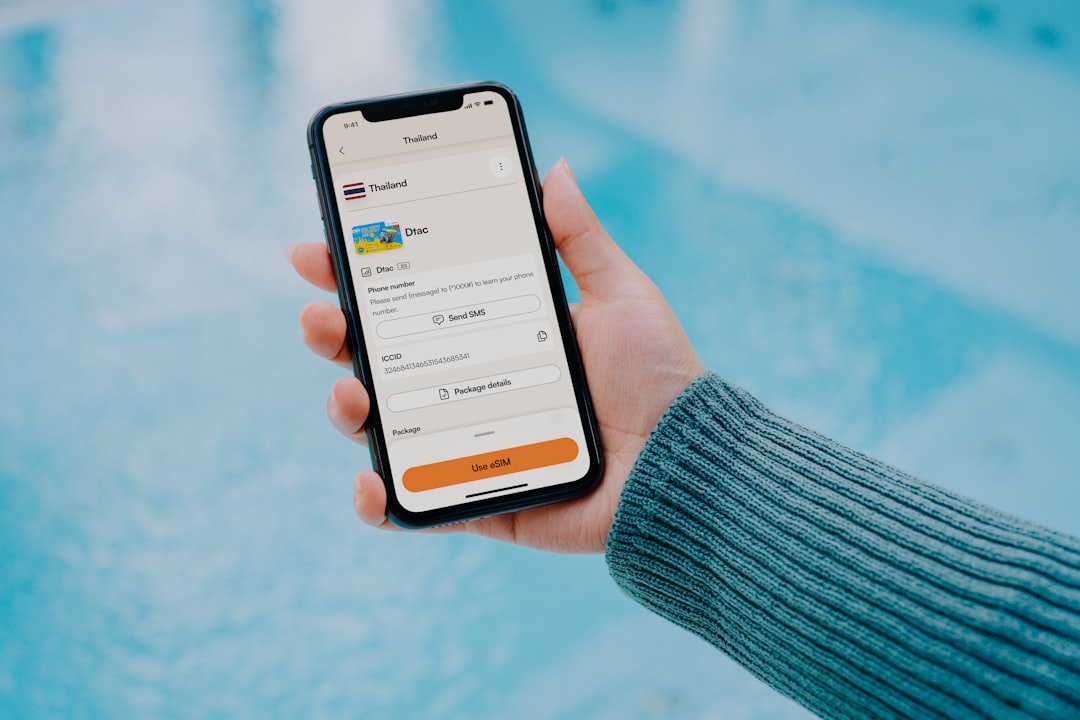
Over the next several years, eSIM may help turn mobile plans into more flexible digital services. Consumers may switch between personal, business, travel, and temporary profiles with less effort. Businesses may deploy connected devices globally without complex SIM logistics. Carriers may compete through digital convenience as much as network coverage.
The broader impact will be a mobile ecosystem that is more dynamic, more software based, and more global. If implemented well, eSIM could reduce friction and make connectivity more accessible. If implemented poorly, it could create confusion, lock-in, and new security risks. The outcome will depend on cooperation among device makers, carriers, standards bodies, regulators, and service providers.
Conclusion
Recent eSIM news signals a major turning point in mobile connectivity. The technology is moving from an optional feature to a foundation for future connected experiences. Smartphones are only the beginning; wearables, laptops, vehicles, and IoT systems may all benefit from digital SIM provisioning.
In the future, the most important change may not be the disappearance of the plastic SIM card itself. Instead, it may be the rise of a more flexible connectivity model, where users and businesses can activate, manage, and change network access with far less friction. For consumers, this means easier setup and better travel options. For businesses, it means scalable connected deployments. For the mobile industry, it means a new era of competition, convenience, and responsibility.
FAQ
What is an eSIM?
An eSIM is an embedded digital SIM built into a device. It allows a mobile plan to be downloaded and activated without inserting a physical SIM card.
Will eSIM completely replace physical SIM cards?
It may eventually replace physical SIMs in many markets, but the transition will take time. Physical SIM cards are still important in regions where eSIM support is limited.
How does eSIM help travelers?
Travelers can often buy and install a local or regional data plan before arriving at their destination. This can reduce roaming costs and make international connectivity easier.
Is eSIM more secure than a physical SIM?
eSIM can be more secure because it cannot be physically removed and placed into another phone. However, carriers must still protect users from fraudulent transfers and account takeovers.
Can one phone have multiple eSIM plans?
Many modern phones can store multiple eSIM profiles, though only one or two may be active at the same time, depending on the device.
What industries will benefit most from eSIM?
Travel, logistics, automotive, healthcare, smart cities, consumer electronics, and industrial IoT are likely to benefit significantly from easier remote connectivity management.
What is the main challenge for eSIM adoption?
The main challenge is consistency. Device compatibility, carrier support, user education, and secure transfer processes must improve for eSIM to reach its full potential.