
Table of Contents
Mobile connectivity has changed quickly as smartphones, tablets, and wearables have moved away from physical SIM cards. A free eSIM is one of the most popular ways for people to test mobile data service without inserting a plastic SIM card or committing to a long-term plan. It gives users a convenient way to activate a cellular profile digitally, often for travel, trials, backup data, or short-term internet access.
TLDR: A free eSIM is a digital SIM profile that can be downloaded to a compatible device without an upfront cost. It works by storing carrier information inside the device’s built-in eSIM chip, allowing the device to connect to a mobile network. Free eSIMs are often offered as trials, promotional travel data plans, or limited data packages. They are useful, but users should check coverage, data limits, expiration dates, and compatibility before relying on one.
What Is a Free eSIM?
An eSIM, short for embedded SIM, is a digital version of the traditional SIM card. Instead of placing a small plastic card into a phone, the device uses a built-in chip that can store mobile carrier profiles. A free eSIM is simply an eSIM plan or profile offered at no initial charge.
The word free can mean different things depending on the provider. In many cases, a free eSIM includes a small amount of data, such as 100 MB, 500 MB, or 1 GB. Sometimes it is a trial plan designed to let a customer test a carrier’s network before buying a paid package. In other situations, it may be a promotional travel eSIM for a specific country or region.
A free eSIM usually does not mean unlimited mobile service forever. Most free eSIM plans come with limitations, such as restricted data, limited validity, reduced speed, regional coverage, or no voice and SMS support. Still, it can be valuable for users who need temporary connectivity or want to explore how eSIM technology works.
How Does an eSIM Work?
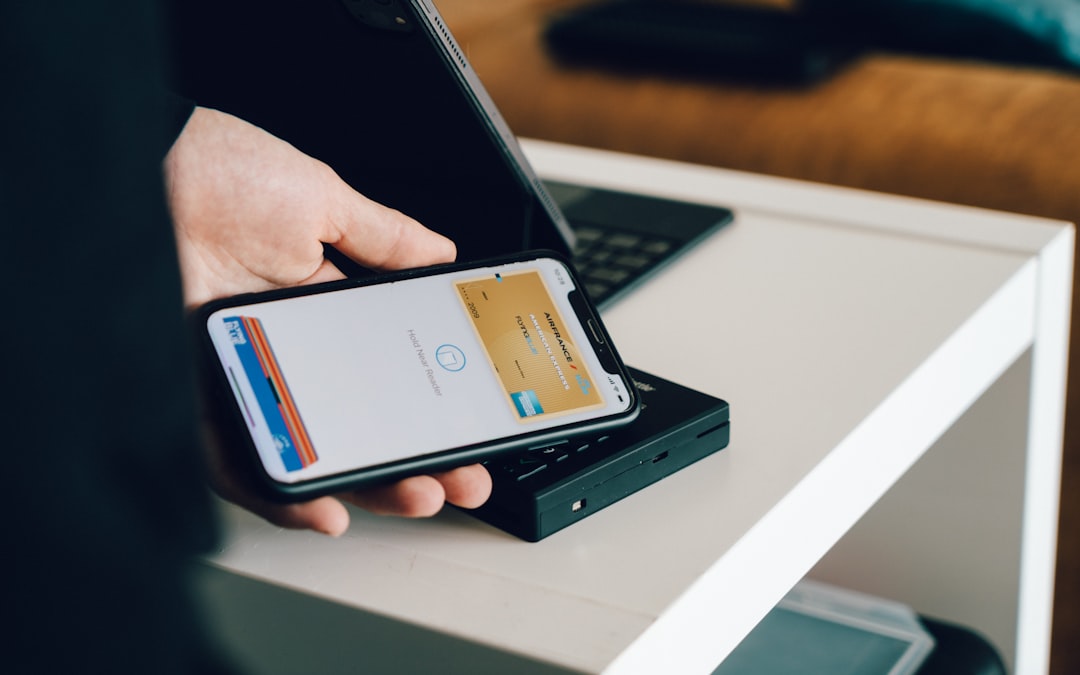
An eSIM works by using a secure chip already built into a compatible device. This chip stores the user’s mobile subscription details, similar to the way a physical SIM card stores carrier information. When a person activates an eSIM, the carrier profile is downloaded to the device through the internet.
Most eSIM activations happen through one of the following methods:
- QR code activation: The user scans a QR code provided by the carrier or eSIM provider.
- App based activation: The user installs a provider’s app and downloads the eSIM profile directly.
- Manual activation: The user enters activation details, such as an SM DP address and activation code.
- Carrier direct setup: Some carriers allow eSIM activation through device settings or account portals.
Once installed, the eSIM profile allows the device to authenticate with the mobile network. The device can then access mobile data, and in some cases, voice calls and text messages. Many free eSIMs are data only, meaning they provide internet access but do not include a traditional phone number.
What Makes a Free eSIM Different from a Physical SIM?
The biggest difference is that an eSIM does not require a physical card. A traditional SIM must be inserted into a SIM tray, while an eSIM is installed digitally. This makes eSIM setup faster and more flexible, especially for travelers or users who frequently switch networks.
A free eSIM can often be activated within minutes. There is no need to wait for delivery, visit a store, or handle a tiny SIM card. This is especially helpful when a traveler arrives in a new country and needs mobile data immediately.
Another important difference is that a device may store multiple eSIM profiles. For example, a user may keep a home carrier plan active while adding a free travel eSIM for temporary data abroad. Depending on the device, only one or two mobile lines may be active at the same time, but several profiles can be saved for later use.
Common Uses for a Free eSIM
Free eSIMs are used in several practical situations. While they are not always suitable as a primary long-term mobile plan, they are useful in specific cases.
- Testing a network: A user can check signal quality and speeds before switching to a carrier.
- Travel connectivity: A traveler can get limited mobile data in another country without buying a local SIM card.
- Backup internet: A free eSIM can provide emergency data if the main network has poor coverage.
- Trying eSIM technology: A first-time user can learn how eSIM installation works without paying upfront.
- Temporary device setup: A tablet, hotspot, or second phone can be connected for short-term use.
For many users, the appeal is convenience. A free eSIM can be installed before a trip, activated on arrival, and removed when it is no longer needed.

Types of Free eSIM Offers
Free eSIM offers vary widely. Some are available from mobile network operators, while others come from travel eSIM marketplaces or mobile virtual network operators. The most common types include:
- Free trial eSIMs: These are designed to let users experience a carrier’s coverage and speed for a limited time.
- Promotional travel eSIMs: These may include a small amount of data for selected countries or regions.
- Referral based eSIMs: Some providers offer free credits or data when users refer others.
- Introductory plans: A provider may give new customers a free starter data package.
- Bundled device offers: Some smartphones, tablets, or service packages include free eSIM data as a bonus.
Although these offers can be attractive, the details matter. A free eSIM that works only in one country may not help a traveler visiting several destinations. A plan with 100 MB of data may be useful for messaging but unsuitable for video, maps, or large app downloads.
How to Activate a Free eSIM
The activation process is usually straightforward, but it depends on the provider and device. In general, the process follows a few common steps:
- Check device compatibility: The device must support eSIM and must not be locked to another carrier.
- Choose a free eSIM offer: The user selects a plan based on location, data amount, and validity.
- Receive activation details: The provider sends a QR code, app instructions, or manual setup information.
- Install the eSIM profile: The user adds the eSIM through the device’s cellular settings.
- Select the eSIM for data: The device settings can be adjusted so mobile data uses the new eSIM line.
- Activate on the network: Some eSIMs activate immediately, while others activate when the device connects in the supported region.
It is important that the device has internet access during installation. Since the eSIM profile must be downloaded, Wi Fi is often required before the mobile data plan becomes active.
Benefits of Using a Free eSIM
A free eSIM has several advantages, especially for users who value flexibility and convenience.
- No physical SIM required: The entire process is digital.
- Fast setup: Many eSIM profiles can be installed in minutes.
- Good for travel: Users can avoid expensive roaming fees by using local or regional eSIM data.
- Low risk trial: A free plan allows users to test service before paying.
- Multiple profiles: Modern devices can store several eSIM profiles for different needs.
- Environmentally friendly: eSIMs reduce the need for plastic cards and packaging.
These benefits make free eSIMs especially useful for people who need short-term data or want to compare providers. For businesses, free eSIM trials may also help test network performance for remote teams or connected devices.
Limitations and Things to Watch For
Despite the advantages, a free eSIM is not always the best solution. The most common limitation is the amount of data. A free plan may run out quickly if the device automatically updates apps, syncs photos, streams video, or uses maps heavily.
Users should also look for expiration rules. Some free eSIMs expire a fixed number of days after installation, while others expire after first network connection. A plan may be valid for only 24 hours, 7 days, or 30 days.
Other important considerations include:
- Coverage: The eSIM may work only in certain countries or on specific partner networks.
- Speed limits: Some free plans may have reduced speeds after a small data allowance is used.
- No calls or SMS: Many free eSIMs offer data only.
- Device lock issues: A carrier locked phone may reject third party eSIMs.
- One time use: Some eSIM profiles cannot be reinstalled after deletion.
- Privacy and security: Users should choose reputable providers and read the terms carefully.
Is a Free eSIM Safe?
A free eSIM from a reputable provider is generally safe. eSIM technology uses secure authentication standards, and the profile is installed through protected device systems. However, users should still be cautious. A free offer from an unknown source may collect excessive personal information, have unclear terms, or provide poor service.
Before downloading an eSIM app or scanning an activation code, users should check reviews, provider reputation, privacy policies, and plan conditions. They should also avoid sharing sensitive account information with unverified websites.
Who Should Consider a Free eSIM?
A free eSIM is suitable for several types of users. Travelers can use it to access maps, messaging apps, ride sharing services, and email soon after arrival. People considering a new mobile carrier can use it to test signal quality at home, work, or school. Tech curious users can try it simply to understand how digital SIM activation works.
However, a free eSIM may not be ideal for someone who needs consistent high volume data, a permanent phone number, or unlimited calling. In those cases, a paid mobile plan or full service carrier subscription may be more reliable.
Final Thoughts
A free eSIM is a convenient digital mobile plan that allows users to connect to a cellular network without a physical SIM card or upfront payment. It works by downloading a carrier profile to the device’s built-in eSIM chip, which then authenticates with the mobile network. While free eSIMs are often limited in data, time, or coverage, they can be highly useful for testing networks, traveling, or creating a backup connection.
The best approach is to treat a free eSIM as a practical trial or temporary tool rather than a complete replacement for every mobile plan. When users understand the limits and choose trusted providers, a free eSIM can be a simple, flexible, and cost effective way to stay connected.
FAQ
What is a free eSIM?
A free eSIM is a digital SIM profile offered without an upfront cost. It usually includes limited mobile data or a short trial period and can be installed on a compatible eSIM device.
Does a free eSIM include unlimited data?
Most free eSIMs do not include unlimited data. They commonly offer a small data allowance, limited validity, or promotional access to a specific network.
Can a free eSIM make phone calls?
Some eSIMs support calls and SMS, but many free eSIMs are data only. Data only eSIMs can still support internet based calling through apps.
Does every phone support eSIM?
No. Only eSIM compatible devices can use an eSIM. The phone must also be unlocked if the user wants to install an eSIM from another provider.
Can a free eSIM be used while keeping the main phone number?
Yes, many compatible phones allow dual SIM use. A user can keep the main number active while using the free eSIM for mobile data.
Is a free eSIM good for international travel?
It can be useful for travel, especially for maps, messaging, and basic browsing. However, travelers should confirm that the eSIM works in the destination country and provides enough data.
What happens when the free eSIM data runs out?
When the data allowance is used, the service may stop, slow down, or offer the option to buy a paid top up. The exact result depends on the provider.
Can an eSIM be deleted and reinstalled?
Some eSIMs can be reinstalled, but others are one time use only. Users should read the provider’s instructions before deleting an eSIM profile.