Table of Contents
Designing a logo is one of the most important steps in establishing a strong, credible brand identity. Today, professional-quality design is no longer limited to large corporations with in-house creative teams. With the right approach, a reliable logo maker can help businesses of any size create a distinctive, versatile, and brand-ready logo. The key lies not just in using the tool, but in following a deliberate and strategic design process.
TLDR: A brand-ready logo requires more than picking an attractive icon from a logo maker. You need clarity about your brand identity, thoughtful selection of typography and colors, and careful refinement for versatility and scalability. By following a structured, step-by-step process, you can create a professional logo that works across digital and print platforms. A systematic approach ensures your logo supports long-term brand growth rather than becoming a short-lived design experiment.
Step 1: Define Your Brand Foundation
Before opening any logo maker tool, take time to define what your brand stands for. A logo is a visual shortcut to your identity. Without clarity about your mission, audience, and positioning, even the most visually appealing design will lack strategic strength.
Start by answering the following:
- What is your core mission?
- Who is your primary target audience?
- What values define your brand?
- How should customers feel when they see your logo?
For example, a financial consulting firm may prioritize stability, trust, and professionalism. A children’s clothing brand may emphasize playfulness, warmth, and creativity. These qualities should directly inform your design direction.
Without a clearly articulated brand identity, your logo will struggle to communicate effectively.
Step 2: Research Your Industry and Competitors
A brand-ready logo must differentiate you from competitors while still aligning with industry expectations. This requires brief but focused research.
- Examine the logos of top competitors.
- Identify recurring patterns in color, typography, and symbols.
- Note what feels predictable or overused.
- Look for opportunities to stand out without appearing disconnected.
This stage helps you avoid two common mistakes: blending in too much or appearing out of place. A healthcare company using neon graffiti-style typography, for example, might send conflicting signals.
Professional positioning depends on strategic visual alignment.
Step 3: Choose the Right Logo Maker
Not all logo makers offer the same level of control and output quality. Select a tool that provides:
- High-resolution downloads (including vector formats such as SVG or EPS)
- Customizable typography and color controls
- Icon libraries with professional-quality graphics
- Transparent background exports
- Commercial usage rights
A brand-ready logo must be usable across websites, social media, packaging, signage, and print materials. File flexibility is not optional—it is essential.
Step 4: Select a Logo Type That Fits Your Brand
Most logo makers allow you to choose from various logo structures. The right choice depends on your brand personality and practical needs.
- Wordmark: Text-only logo (ideal for strong, distinctive brand names)
- Lettermark: Initial-based logo (effective for longer company names)
- Icon-based: Symbol or graphic-focused
- Combination mark: Text plus symbol
- Emblem: Text integrated inside a badge or crest
For most growing businesses, a combination mark offers the flexibility needed for multiple branding scenarios. You can use the full version on your website and simplify it for social media avatars.
Step 5: Choose Typography Carefully
Typography communicates personality instantly. A logo maker may offer hundreds of fonts, but disciplined selection ensures professionalism.
Consider the emotional tone of major font categories:
- Serif fonts: Traditional, trustworthy, authoritative
- Sans-serif fonts: Modern, clean, approachable
- Script fonts: Elegant, creative, personal
- Display fonts: Bold, distinctive, attention-grabbing
Avoid mixing too many styles. In most cases, one primary font and one complementary font are sufficient. Simplicity enhances memorability.
Legibility should never be sacrificed for decoration.
Step 6: Develop a Strategic Color Palette
Color significantly influences perception. Rather than choosing colors based on personal preference, align them with psychological and strategic goals.
- Blue: Trust, stability, intelligence
- Green: Growth, health, sustainability
- Red: Energy, passion, urgency
- Black: Luxury, sophistication, authority
- Yellow: Optimism, friendliness, creativity
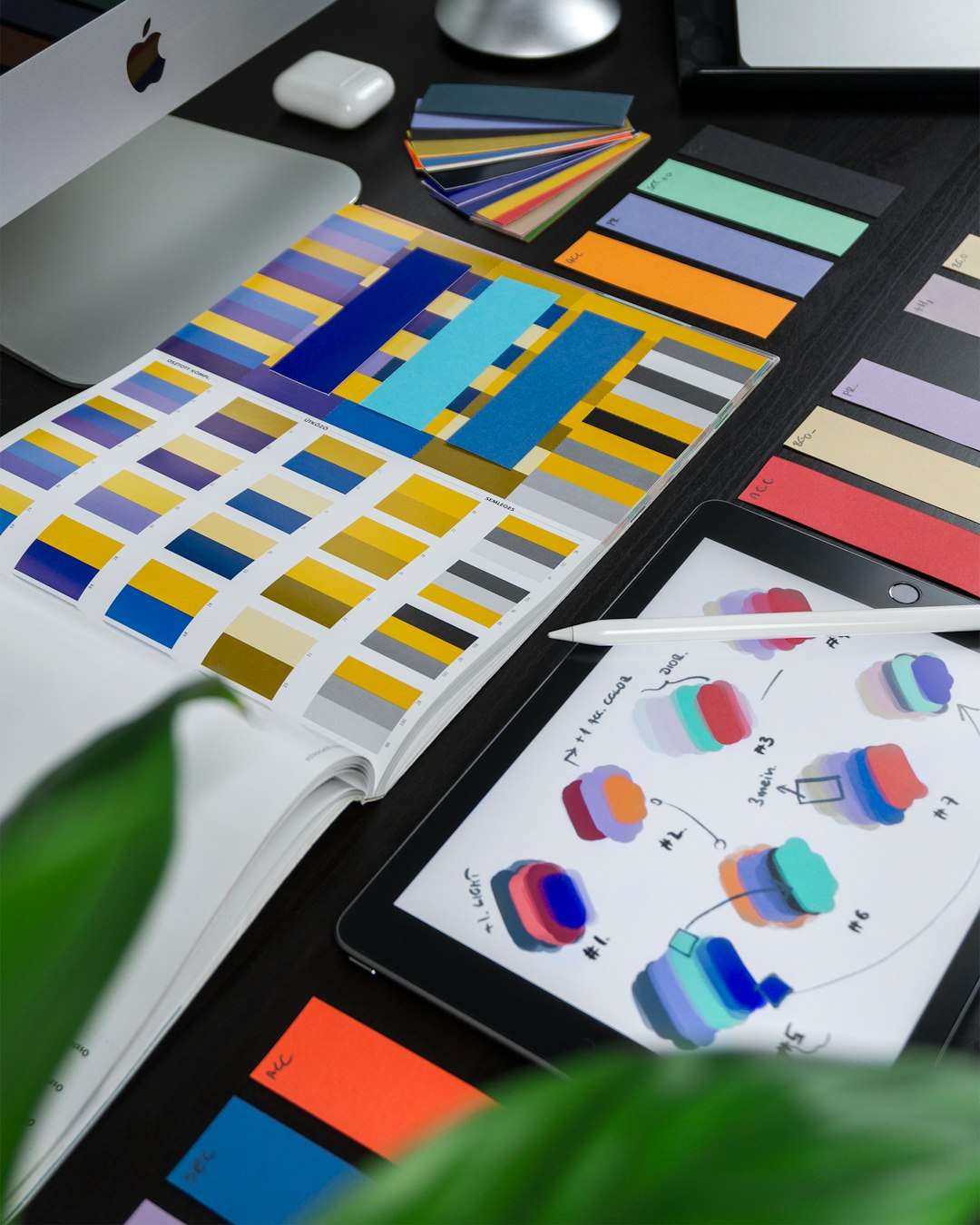
Most successful brand logos use:
- One primary color
- One secondary color
- A neutral tone for balance
Additionally, confirm that your logo works effectively in black and white. A truly versatile logo maintains its impact even without color.
Step 7: Keep the Design Simple and Scalable
A common mistake when using logo makers is overcomplicating the design. Excessive gradients, tiny details, and intricate patterns reduce flexibility.
Ask yourself:
- Does it remain clear at small sizes (e.g., favicon)?
- Is it recognizable from a distance?
- Can it be embroidered or printed easily?
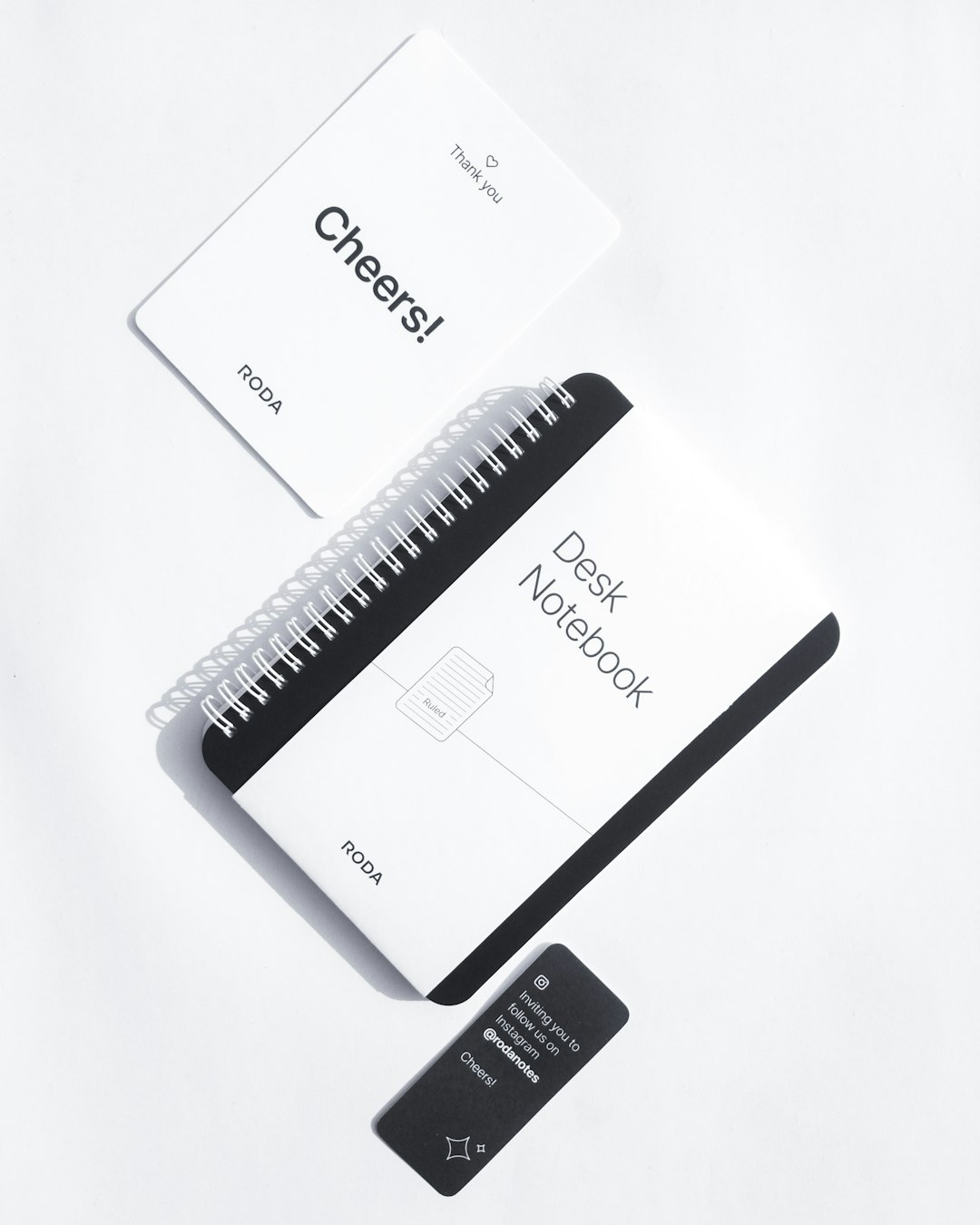
A brand-ready logo must function on:
- Web headers
- Social media profiles
- Business cards
- Packaging
- Merchandise
- Large-format signage
If your design loses clarity when resized, simplify it.
Step 8: Refine Spacing and Alignment
Professional logos feel balanced. This is rarely accidental. Pay attention to:
- Spacing between letters (kerning)
- Alignment between icon and text
- Proportional relationships
- Visual symmetry or intentional asymmetry
Many logo makers provide grid and alignment tools. Use them. Subtle adjustments can dramatically improve visual harmony.
Precision distinguishes a professional logo from an amateur one.
Step 9: Test the Logo in Real-World Contexts
Before finalizing your logo, preview it in different mockups and environments:
- Website homepage
- Social media banner
- Email signature
- Packaging mockup
- Printed stationery
Does it remain balanced against various backgrounds? Test both light and dark modes. A logo that lacks contrast may appear weak in certain applications.
Additionally, gather structured feedback from trusted colleagues or stakeholders. Ask specific questions:
- What emotions does this logo evoke?
- Does it appear trustworthy?
- Is anything confusing or distracting?
A brand-ready logo is validated through deliberate evaluation, not impulse.
Step 10: Export the Correct File Formats
When you are satisfied with the design, download your logo in appropriate file formats. At minimum, ensure you have:
- SVG or EPS: Vector files for scalability
- PNG: Transparent background version
- JPEG: Standard web usage
- PDF: Print-ready format
Organize files into clearly labeled folders. Maintain both color and monochrome variants, as well as horizontal and stacked versions if applicable.
Proper file management future-proofs your brand.
Step 11: Create Basic Brand Guidelines
A logo alone is not enough. To ensure long-term consistency, document basic usage guidelines:
- Approved color codes (HEX, RGB, CMYK)
- Typography specifications
- Minimum size requirements
- Clear space rules
- Prohibited alterations (stretching, recoloring, shadow effects)
This documentation prevents inconsistent application as your business grows or works with external vendors.
Consistency builds trust. Trust builds brands.
Common Mistakes to Avoid
Even with a reliable logo maker, certain pitfalls can undermine your results:
- Following trends that may quickly become outdated
- Using clip-art style icons without customization
- Choosing overly decorative fonts
- Ignoring scalability and print requirements
- Changing the logo frequently without strategic reason
A brand-ready logo is designed for longevity. Stability communicates credibility.
Final Thoughts
Designing a logo with a logo maker is not about selecting the most visually impressive graphic within minutes. It is about applying strategic thought to every decision—color, typography, spacing, scalability, and usability. Modern tools provide accessibility, but professionalism depends on process.
When executed thoughtfully, a logo maker can deliver a polished, flexible, and effective brand asset. By following the step-by-step approach outlined above, you ensure that your logo does more than decorate your business—it represents it with clarity, confidence, and consistency.
A brand-ready logo is not just designed. It is engineered for impact and built for growth.