Table of Contents
Managing rental properties involves far more than collecting rent once a month. Landlords and property managers must coordinate maintenance requests, track financial performance, communicate with tenants, comply with regulations, and safeguard sensitive data. As portfolios grow, so does the operational complexity. Rental property management platforms have emerged as essential tools for handling daily property tasks with accuracy, transparency, and efficiency.
TLDR: Rental property management platforms centralize rent collection, maintenance tracking, accounting, tenant communication, and reporting in one secure system. They reduce administrative burden, improve accuracy, and enhance tenant satisfaction. These platforms are especially valuable for growing portfolios, offering automation, document storage, and financial insights. Choosing the right system depends on portfolio size, feature requirements, and long-term scalability.
The Increasing Complexity of Daily Property Tasks
Even a small portfolio can generate a steady stream of routine responsibilities. These tasks may appear manageable in isolation, but when combined, they can consume significant time and increase the risk of errors.
Typical daily property management tasks include:
- Rent collection and payment tracking
- Responding to tenant inquiries and complaints
- Logging and resolving maintenance requests
- Managing leases and renewals
- Reconciling operating expenses
- Monitoring compliance requirements
Without a structured system in place, these activities often rely on spreadsheets, email threads, and manual recordkeeping. This approach can lead to missed payments, delayed repairs, and inconsistent documentation. A centralized property management platform replaces fragmentation with coherent oversight.
Core Features of a Rental Property Management Platform
Modern platforms are built to support the entire lifecycle of tenancy. While features vary by provider, most comprehensive systems offer several core functions.
1. Online Rent Collection
Digital rent collection allows tenants to pay through secure portals using bank transfers, credit cards, or other approved methods. The platform automatically records the transaction, reducing manual data entry and minimizing disputes.
Key benefits include:
- Automated payment reminders
- Recurring payment setups
- Instant payment tracking
- Reduced late payments
2. Maintenance Request Tracking
Maintenance coordination can quickly overwhelm property managers without a structured workflow. Through an integrated maintenance module, tenants can submit service requests directly within the system. Managers can assign tasks to vendors, track progress, and document completion.
This process enhances:
- Transparency for tenants
- Accountability for vendors
- Documentation for legal or insurance purposes
A clear audit trail also provides protection in cases of disputes regarding repair timelines.
3. Lease and Document Management
Storing leases, inspection reports, notices, and compliance documents digitally ensures that all critical information is accessible in one location. Many platforms allow electronic lease signing, which accelerates onboarding and reduces paperwork.
Secure document storage improves:
- Data organization
- Legal compliance readiness
- Renewal tracking
- Dispute resolution efficiency
4. Integrated Accounting and Financial Reporting
Financial oversight is central to successful property management. Dedicated accounting tools within these platforms record rental income, operating expenses, late fees, and vendor payments in real time.
Advanced features often include:
- Automated expense categorization
- Profit and loss reports
- Owner statements
- Tax-ready financial summaries
This level of detail reduces reliance on external spreadsheets and simplifies collaboration with accountants or financial advisors.
Improving Tenant Communication and Satisfaction
Strong tenant relationships are fundamental to long-term occupancy and reduced turnover. Rental property management platforms typically include communication portals that consolidate messages, notices, and updates in a single system.
Tenants benefit from:
- 24/7 access to payment history
- Clear maintenance request submission
- Digital copies of leases
- Transparent communication channels
For property managers, centralized communication reduces scattered email trails and helps ensure that no tenant inquiry goes unanswered. Over time, this structured approach builds trust and reinforces professionalism.
Automation as a Strategic Advantage
Automation is one of the most powerful advantages these platforms provide. Manual processes introduce inconsistency, particularly as property portfolios expand. Automated workflows help standardize routine operations.
Examples of automation include:
- Late fee calculation and posting
- Automated rent reminders
- Lease expiration alerts
- Recurring vendor payments
By removing repetitive manual tasks, property managers can focus on higher-value responsibilities such as portfolio growth, investment analysis, and tenant retention strategies.
Data Security and Regulatory Compliance
Rental management involves storing sensitive information, including tenant identification documents, banking details, and financial records. Reputable property management platforms deploy encryption protocols, secure cloud storage, and controlled access permissions.
Security considerations should include:
- Data encryption at rest and in transit
- Role-based user permissions
- Regular system backups
- Compliance with local data protection regulations
Platforms that prioritize security reduce the risk of data breaches and help property managers meet evolving regulatory requirements.
Scalability for Growing Portfolios
Many landlords begin with one or two units and gradually expand. A system that functions effectively for a small portfolio must also scale without friction as additional properties are added.
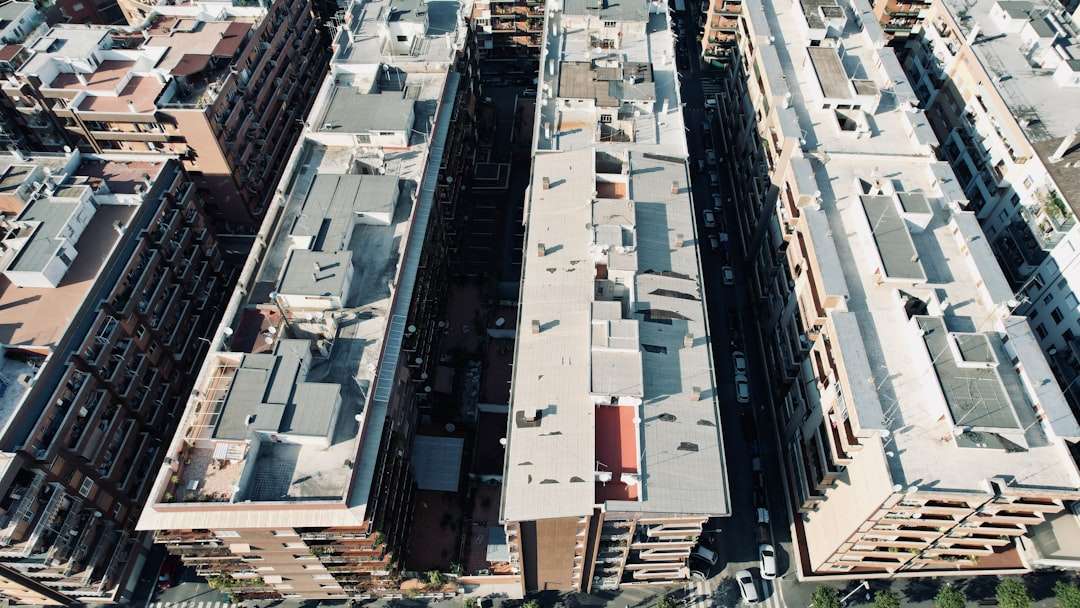
Scalable platforms provide:
- Multi-property dashboards
- Consolidated financial reporting
- Portfolio-wide analytics
- User access control for team members
This scalability ensures that operational structure evolves alongside growth, preventing the need for disruptive system migrations in the future.
Evaluating and Selecting the Right Platform
Choosing a rental property management platform requires careful assessment. No single solution fits every portfolio. Decision-makers should evaluate both immediate needs and long-term objectives.
Key evaluation criteria include:
- Property portfolio size and type – Residential, commercial, or mixed use portfolios may require different functionalities.
- Budget considerations – Pricing models vary, often based on unit count or feature tiers.
- Ease of use – Intuitive interfaces reduce training time and user resistance.
- Integration capabilities – Compatibility with accounting software or banking systems enhances efficiency.
- Customer support availability – Reliable assistance is critical during implementation and troubleshooting.
It is advisable to request demonstrations, review service agreements carefully, and confirm data ownership policies before committing to long-term contracts.
Common Challenges and Practical Solutions
Despite their advantages, implementing property management platforms may present initial difficulties.
Data Migration: Transferring historical data from spreadsheets or legacy systems can be time-intensive. A structured migration plan and vendor support can ease this process.
User Adoption: Tenants and staff may initially resist digital systems. Clear communication, tutorials, and support resources can accelerate adoption.
Cost Justification: Subscription fees may appear burdensome at first. However, when weighed against time savings, reduced vacancy rates, and improved financial accuracy, the return on investment is often substantial.
The Long-Term Impact on Operational Performance
Over time, rental property management platforms become more than administrative tools; they serve as strategic assets. Reliable reporting helps identify patterns such as recurring maintenance costs, seasonal vacancy trends, or delinquency risks.
With accurate data readily available, property managers can:
- Forecast cash flow more precisely
- Plan capital improvements strategically
- Adjust rental rates based on performance analysis
- Enhance overall portfolio valuation
Operational clarity strengthens decision-making and supports sustainable growth.
Conclusion
Rental property management platforms play a vital role in handling daily property tasks with professionalism and consistency. By consolidating rent collection, maintenance management, financial reporting, communication, and document storage into a unified system, these platforms reduce risk and enhance operational transparency.
For landlords and property managers seeking long-term efficiency, scalability, and tenant satisfaction, adopting a reliable management platform is not merely a technological upgrade. It is a strategic investment in operational resilience and portfolio performance. As the real estate landscape grows more competitive and regulated, structured digital systems provide the stability and control required for confident property management.